
Beyond Pills: Lifestyle Medicine for Chronic Diseases
Published on December 25, 2025 by Admin

Chronic diseases like diabetes and hypertension significantly impact quality of life. They also place a heavy burden on healthcare systems. For many years, the primary approach to managing these conditions has been medication. However, a growing body of evidence points to a powerful alternative or complementary strategy: lifestyle medicine. This approach focuses on addressing the root causes of disease by modifying unhealthy behaviors and promoting healthier ones. It offers a proactive and empowering path for patients seeking to regain control of their health.
What is Lifestyle Medicine?
Lifestyle medicine (LM) is a preventive healthcare approach. It targets disorders caused by lifestyle factors and preventable causes of death. The core principle is educating and motivating individuals. The goal is to improve their quality of life through healthier habits and behaviors. These include a nutritious diet, regular exercise, restorative sleep, stress management, avoiding risky substances, and fostering positive social connections. Therefore, LM aims to prevent chronic conditions such as cardiovascular diseases, diabetes, metabolic syndrome, and obesity. It seeks to address the root causes of many chronic diseases. As a result, it has the potential to significantly reduce morbidity and mortality rates, as well as the financial burden associated with chronic disease management.
Evidence shows that adopting a healthy lifestyle can significantly reduce the incidence and progression of chronic diseases. This includes conditions like cardiovascular diseases, diabetes, and cancer. The implementation of lifestyle medicine requires a multidisciplinary approach. This involves healthcare providers, patients, and communities working together. Healthcare providers play a pivotal role in educating and motivating patients. Communities can provide a supportive environment that fosters healthy lifestyles.
The Pillars of Lifestyle Medicine
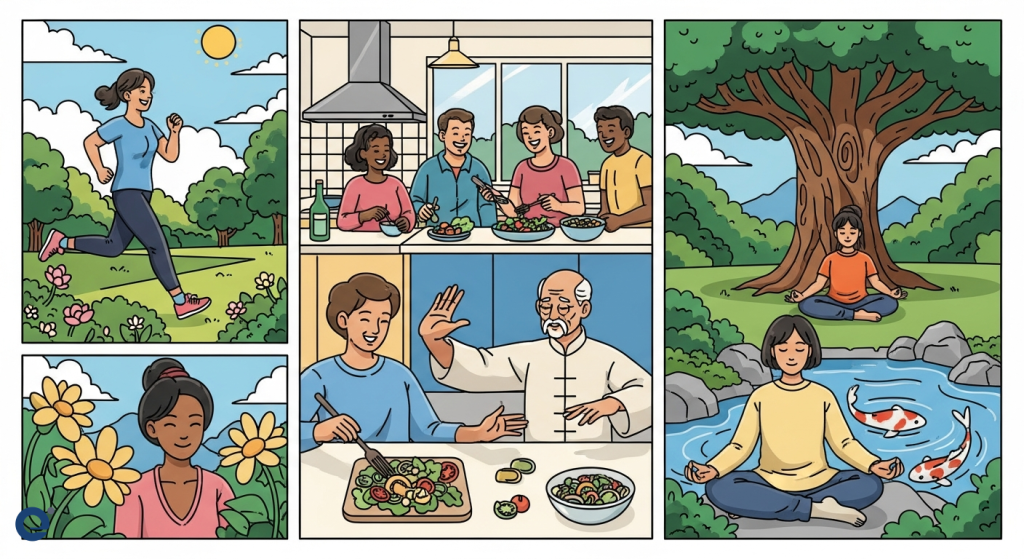
Lifestyle medicine is built upon several key pillars. These are foundational elements that, when integrated, create a powerful synergy for health improvement. Firstly, nutrition is paramount. A balanced and healthy diet is crucial for managing weight, reducing inflammation, and providing the body with essential nutrients.
Secondly, regular physical activity is indispensable. Exercise helps improve cardiovascular health, manage blood sugar levels, and reduce stress. Thirdly, restorative sleep is vital for bodily repair and overall well-being. Additionally, effective stress management techniques are essential. These can include mindfulness, meditation, or yoga. Finally, avoiding risky substances like tobacco and limiting alcohol consumption are critical components.
Lifestyle Medicine for Diabetes
Type 2 diabetes is a prime example of a chronic disease heavily influenced by lifestyle. Lifestyle medicine offers a comprehensive approach to its management and prevention. Key strategies include adopting a healthy diet, managing stress effectively, and engaging in regular physical activity. Furthermore, weight management is a crucial component for many individuals with type 2 diabetes. Getting enough sleep also plays a significant role in blood sugar regulation.
Regular blood monitoring is also an essential part of managing diabetes. Quitting smoking is another vital step. By focusing on these lifestyle modifications, individuals can see significant improvements. They can achieve better blood sugar control and potentially reduce their reliance on medication. This holistic approach empowers patients to take an active role in managing their condition.
Tackling Hypertension Beyond Pills
Hypertension, or high blood pressure, is another widespread chronic condition. It is a modifiable risk factor for serious health outcomes like cardiovascular disease and stroke. Accumulating evidence suggests that lifestyle interventions can play a significant role in reducing blood pressure. In some cases, these interventions may even obviate the need for pharmacotherapy. Interventions showing the most promise include dietary modification, weight loss, exercise, alcohol avoidance, and adequate sleep hygiene.
The Dietary Approach to Stop Hypertension (DASH) diet is a well-proven method for effectively reducing blood pressure. This diet emphasizes foods rich in magnesium, potassium, and fiber, such as fruits, vegetables, beans, nuts, and whole grains. It also limits foods high in saturated fat and sugar. Adherence to the DASH diet often leads to a lower sodium intake. This is substantial, considering the average American consumes significantly more sodium than recommended. For even better control, a sodium intake of 1500 mg daily is often recommended by health organizations.
The MIND diet, a combination of the Mediterranean and DASH diets, also shows promise in reducing systolic blood pressure. Beyond diet, other crucial lifestyle modifications for hypertension include smoking cessation, limiting alcohol intake, weight management, quality sleep, and stress management. These non-pharmacological means offer a powerful toolkit for managing blood pressure.
The Role of Exercise and Sleep
Regular exercise is a cornerstone of lifestyle medicine for numerous chronic diseases. For instance, it is vital for cardiovascular health, helping to lower blood pressure and improve cholesterol profiles. It also plays a key role in weight management and improving insulin sensitivity, which is crucial for diabetes management. For individuals with obesity, regular exercise is a primary recommendation for healthy eating and behavior modification.
Similarly, quality sleep is often overlooked but is incredibly important. Restorative sleep aids in the body’s repair processes. It also helps regulate hormones that influence appetite and metabolism. For conditions like high blood pressure and high cholesterol, good sleep is a recommended management strategy. Inadequate sleep can exacerbate stress and negatively impact blood sugar control, making it a critical factor in overall health.
Stress Management and Social Connections
Chronic stress can have a profound negative impact on physical health. It can contribute to inflammation, disrupt sleep, and increase blood pressure. Therefore, effective stress management techniques are a vital part of lifestyle medicine. Practices like meditation, deep breathing exercises, and yoga have been shown to improve mental health outcomes. They can also reduce the risk of developing conditions like depression and anxiety. Stress management is listed as a key component for managing type 2 diabetes, cardiovascular diseases, and high blood pressure.
Furthermore, positive social connections are increasingly recognized as a significant determinant of health. Engaging in community events and maintaining strong social ties can contribute to overall well-being. For conditions like Alzheimer’s disease, social engagement is noted as a beneficial lifestyle factor. These connections provide emotional support and a sense of belonging, which are crucial for resilience and health.
Lifestyle Medicine’s Cost-Effectiveness
Beyond the profound health benefits, lifestyle medicine can also be remarkably cost-effective. By preventing and managing chronic diseases effectively, it can significantly reduce the need for expensive medical interventions. These interventions often include surgeries, long-term medication use, and hospitalizations. Lifestyle interventions themselves are often low-cost or even free. This makes them accessible to a wide range of people, regardless of their socioeconomic status.
Investing in lifestyle medicine can lead to substantial savings for both individuals and the healthcare system. It shifts the focus from treating illness to promoting wellness. This preventive approach is a more sustainable and humane way to manage the growing burden of chronic diseases. The evidence supporting the use of lifestyle medicine in the prevention and management of chronic diseases is robust.
This modality addresses multiple risk factors, including physical inactivity, unhealthy diet, tobacco use, and stress. By adopting a healthy lifestyle, individuals can significantly reduce their risk of developing or worsening chronic conditions. The implementation of lifestyle medicine requires a collaborative effort between healthcare providers, patients, and communities to foster a supportive environment for healthy living.
Type 2 Diabetes Counselling – OSCE Guide | Communication Skills | UKMLA | CPSA | SCA Case | PLAB 2
Frequently Asked Questions (FAQs)
What are the main lifestyle factors that contribute to chronic diseases?
The main lifestyle factors include physical inactivity, an unhealthy diet, tobacco use, excessive alcohol consumption, poor sleep hygiene, and chronic stress. These factors often interact and contribute to the development of conditions like diabetes, hypertension, and cardiovascular disease.
Can lifestyle medicine completely replace medication for chronic conditions?
In some cases, significant lifestyle modifications can reduce or even eliminate the need for medication, particularly for conditions like pre-diabetes or stage 1 hypertension. However, for many individuals, lifestyle medicine works best as a complementary approach alongside prescribed medications. It’s crucial to discuss any changes with your healthcare provider.
How can I get started with lifestyle medicine?
Start by making small, sustainable changes. Focus on one or two areas, such as increasing daily steps or adding more vegetables to your meals. Consulting with a healthcare professional or a registered dietitian can provide personalized guidance and support. Building positive social connections can also enhance motivation.
Is lifestyle medicine suitable for all types of chronic diseases?
Lifestyle medicine is highly effective for many chronic diseases, especially those with significant lifestyle components like type 2 diabetes, hypertension, obesity, and cardiovascular disease. It can also play a supportive role in managing other conditions. For example, regular exercise and a healthy diet are beneficial for osteoporosis and even may play a role in cognitive health.
Conclusion
Lifestyle medicine offers a powerful and evidence-based approach to preventing and managing chronic diseases. By focusing on fundamental healthy behaviors such as nutrition, exercise, sleep, stress management, and social connection, individuals can significantly improve their health outcomes. It empowers patients to take an active role in their well-being, often reducing the reliance on medication and lowering healthcare costs. Therefore, embracing lifestyle medicine is not just about treating illness; it’s about cultivating a life of vitality and resilience.
