
Equine Laminitis: Prevent & Treat for Healthy Hooves
Published on December 25, 2025 by Admin
Laminitis is a serious and painful condition affecting horses. It impacts the sensitive laminae within the hoof. Therefore, understanding its causes, prevention, and advanced treatments is crucial for every horse owner, farrier, and veterinarian. Prompt action can prevent permanent damage and ensure a better prognosis for affected horses.
This article provides a comprehensive guide. It covers everything from recognizing early signs to implementing advanced therapeutic strategies. We will explore the underlying issues that lead to laminitis. Furthermore, we will discuss effective management and recovery protocols.
Understanding Equine Laminitis: The Core Issue
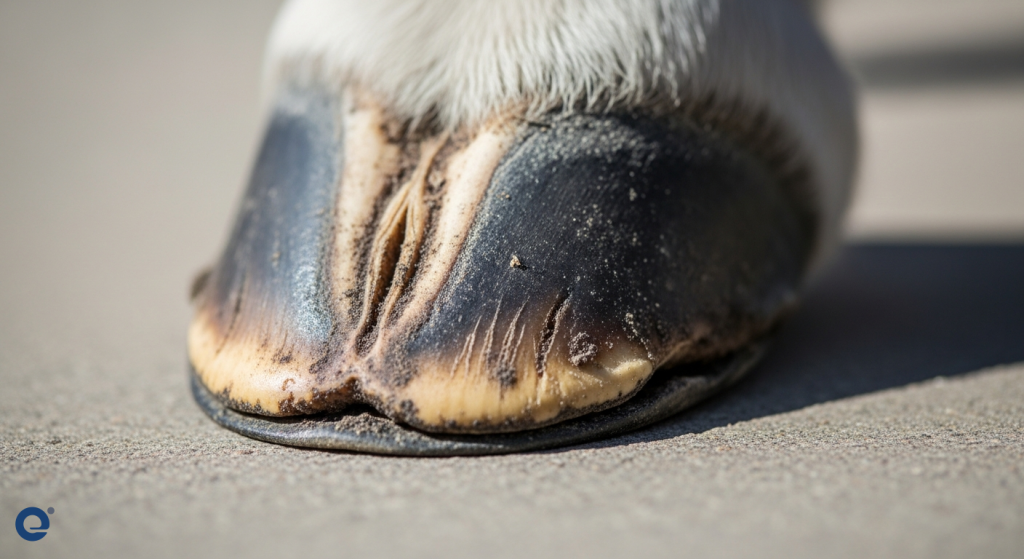
Equine laminitis is an inflammatory condition. It affects the laminae. These are the tissues that bond the hoof wall to the coffin bone. Essentially, they act like Velcro, providing crucial support. When laminitis strikes, these tissues become inflamed, weaken, and can stretch or tear. Consequently, this can lead to the coffin bone rotating or sinking within the hoof. This painful condition is often referred to as founder. In severe cases, it can result in permanent damage and may even necessitate euthanasia.
It’s important to note that laminitis is not just a hoof problem. It’s often a symptom of a larger, systemic issue. Therefore, identifying the root cause is paramount for effective treatment and prevention.
Causes of Laminitis: A Multifaceted Problem
Laminitis can stem from a variety of factors. Understanding these causes is the first step toward prevention.
Metabolic Disorders: A Primary Culprit
Many laminitis cases are linked to underlying metabolic disorders. Conditions such as Equine Metabolic Syndrome (EMS) and Pituitary Pars Intermedia Dysfunction (PPID), also known as Cushing’s Disease, are significant risk factors. These conditions cause insulin dysregulation. High insulin levels can trigger inflammatory processes in the laminae.
Horses with metabolic disorders are at a higher risk. They require strict dietary management to stabilize insulin levels. For instance, identifying and managing these conditions early is key. Dr. Elaine Norton’s research explores the genetics of equine metabolic syndrome and laminitis risk, aiming for early detection of susceptible individuals.
Dietary Imbalances and Overload
What a horse eats plays a critical role. High-sugar grasses, starchy feeds, or sudden grain overload can disrupt a horse’s metabolism. This can lead to digestive upset. Undigested sugars and starches reaching the hindgut can break down rapidly. This process can damage the gut lining and release toxins into the bloodstream. Consequently, these toxins can affect blood flow to the hooves, increasing laminitis risk.
Therefore, managing a horse’s diet is a cornerstone of laminitis prevention. Limiting access to lush pastures and feeding a low-sugar, low-starch diet is often recommended. Consulting a veterinarian or equine nutritionist for personalized dietary advice is essential.
Mechanical Stress and Hoof Imbalance
Physical factors can also contribute to laminitis. Uneven weight-bearing, perhaps due to an injury in another limb, can place extra strain on the hooves. Overworking, especially on hard surfaces, can also be a trigger. Furthermore, improper hoof care, such as long toes or unbalanced trimming and shoeing, can lead to mechanical laminitis.
This type of laminitis occurs when the laminae are subjected to excessive or abnormal forces. This constant strain weakens the tissues over time. Therefore, regular hoof care by a skilled farrier is vital.
Systemic Illness and Sepsis
Laminitis can also be a secondary condition. It can arise from other severe illnesses. Conditions like colic, retained placentas in mares after foaling, or sepsis can reduce blood flow to the hooves. This compromised circulation can starve the laminae of oxygen and nutrients, leading to inflammation and damage.
Prompt veterinary attention for any serious illness is therefore crucial. It can help prevent secondary complications like laminitis.
Recognizing the Signs: Early Detection is Key
The early signs of laminitis can be subtle. However, recognizing them promptly can significantly improve a horse’s chances of recovery. Watch for the following:
- Heat in the Hooves: The hooves may feel warmer than usual to the touch.
- Reluctance to Move: Horses may be unwilling to walk or turn. They might stand with their front feet pulled out and hind feet tucked under.
- Abnormal Stance and Weight-Shifting: Frequent shifting of weight from one foot to another is a common sign.
- Sensitivity to Hard Surfaces: The horse may resist walking on hard ground.
- Lameness: This can range from subtle lameness to severe, obvious lameness.
- Increased Digital Pulse: An unusually strong pulse in the digital arteries, located at the back of the fetlock, can indicate inflammation and pain.
- Changes in Demeanor: A glazed facial expression, irritability, and unwillingness to be touched can indicate pain. A horse may also spend more time lying down than usual.
If you notice any of these symptoms, it is imperative to contact your veterinarian immediately. Do not force the horse to move, as this can cause further damage.
Emergency Protocol for Acute Laminitis
Acute laminitis requires emergency veterinary attention. Prompt treatment is essential to minimize damage to the laminae.
Step 1: Assess Your Horse and Ensure Safety
Observe your horse’s movement and stance. Check for signs of pain. Gently feel the hooves for heat. Feel for the digital pulse. Do not force movement if the horse is unwilling. Avoid standing the horse on hard surfaces if possible.
Step 2: Contact Your Veterinarian Immediately
Laminitis is a veterinary emergency. Your vet will perform a lameness exam. They will also assess the hoof structure. Medical history and current diet information are vital for diagnosis.
Radiographs (X-rays) are often taken. These images help the veterinarian determine the extent of coffin bone rotation or sinking. They also guide the farrier in corrective trimming and shoeing.
Step 3: Move to a Safe, Soft Area
Restrict your horse’s movement as much as possible until the veterinarian arrives. If the horse is in a pasture, move them to a stable or a small, confined area with soft bedding. If moving from pasture is necessary, use a trailer if possible. If not, create a path with soft footing like sand or sawdust. Avoid leaving the horse on pasture under any circumstances.
Step 4: Consider Cold Water Therapy
In some acute cases, standing the horse in an ice water bath can be beneficial. This cryotherapy helps reduce inflammation and pain. It can slow the progression of laminar damage. Your veterinarian will advise if this is appropriate for your horse.
Advanced Diagnostics for Accurate Assessment
Accurate diagnosis is critical for tailoring the right treatment plan. Beyond standard clinical evaluations, advanced diagnostic tools provide deeper insights.
Radiographs (X-rays)
As mentioned, X-rays are standard. They reveal the position of the coffin bone relative to the hoof wall. This helps quantify the degree of rotation or sinking.
Thermography
Thermography uses infrared imaging to detect heat patterns. Increased heat in specific areas of the hoof can indicate inflammation and active laminitis.
Venograms
Venograms are an advanced diagnostic tool. They involve injecting a contrast dye into the hoof’s blood vessels. This allows veterinarians to visualize blood flow patterns. Venograms help in diagnosing laminitis and guiding treatment decisions by identifying areas of compromised circulation.
Treatment Options: A Comprehensive Approach
Effective laminitis treatment requires a multi-pronged strategy, tailored to the individual horse and the severity of the condition.
Medications for Pain and Inflammation
Anti-inflammatory drugs, such as phenylbutazone (Bute) or flunixin meglumine (Banamine), are often prescribed. These help manage pain and reduce swelling. In some cases, other medications may be used to address underlying causes or support circulation.
Corrective Shoeing and Trimming
This is a crucial aspect of treatment, often guided by radiographs. The goal is to relieve pressure on the damaged laminae and rebalance the hoof. Therapeutic shoes, such as heart-bar shoes, can be very effective. These shoes redistribute weight away from the sensitive structures.
A skilled farrier works closely with the veterinarian. They adjust the trim and shoeing to promote healing and prevent further damage. This might involve shortening the toe, lowering the heels, or applying specialized shoeing techniques. Prompt treatment can involve corrective hoof care like heart-bar shoes to reduce pain and prevent future damage.
Dietary Management and Nutritional Support
Stabilizing insulin levels is critical. This involves a diet low in sugars and starches. Restricting pasture access and feeding appropriate forage are key. Certain supplements may also be recommended to support hoof health and overall well-being. For instance, supplements rich in biotin, zinc, and methionine can aid in hoof wall integrity.
For horses with metabolic disorders, a long-term, carefully managed diet is essential. This is a key component of breaking the sugar addiction cycle and achieving sustained energy. Breaking sugar addiction is a vital step in managing these conditions.
Cryotherapy and Other Supportive Therapies
As mentioned, cold water therapy can be very beneficial in acute stages. Other therapies may include therapeutic hoof packing or the use of specialized hoof boots and pads. Products like MoreAid Squish Pads can offer support and cushioning during the healing process.
Post-Treatment Recovery and Long-Term Management
Recovery from laminitis is often a lengthy process. It requires ongoing commitment from owners, veterinarians, and farriers.
Regular Veterinary and Farrier Check-ups
Consistent monitoring is essential. Your veterinarian will track your horse’s progress and adjust medications or treatments as needed. Regular farrier visits are vital to maintain proper hoof balance and implement corrective shoeing as the hoof grows out.
Continued Dietary Management
Even after the acute episode has passed, strict dietary management is usually necessary, especially for horses with underlying metabolic issues. This helps prevent future flare-ups.
Gradual Return to Exercise
Horses should return to work gradually, under veterinary guidance. Overexertion too soon can set back recovery. The type and intensity of exercise should be tailored to the horse’s progress.
Prevention Strategies: The Best Defense
Preventing laminitis is always preferable to treating it. Proactive management can significantly reduce the risk.
- Manage Diet Carefully: Limit lush pasture access, especially during spring and autumn. Feed a low-sugar, low-starch diet.
- Monitor Weight and Body Condition: Overweight horses are at higher risk. Regular weight monitoring using fat scoring helps manage this risk.
- Ensure Routine Hoof Care: Schedule regular trims with a qualified farrier. Address any hoof imbalances promptly.
- Regular Veterinary Health Screenings: Early detection of conditions like EMS or PPID is crucial.
- Address Underlying Health Issues: Promptly treat any systemic illnesses that could predispose your horse to laminitis.
- Avoid Sudden Diet Changes: Introduce any new feeds or pasture gradually.
Understanding the role of chronic inflammation in many diseases, including laminitis, highlights the importance of a balanced diet and lifestyle. Chronic inflammation can be a silent architect of disease.
Frequently Asked Questions About Laminitis
What are the very first signs of laminitis?
The earliest signs can be subtle. Look for heat in the hooves, a strong digital pulse, and a reluctance to move or shift weight. A horse might stand with its front feet forward and hind feet tucked under.
Can laminitis be cured?
While laminitis itself may not always be “cured” in the sense of complete eradication, early intervention and proper management can minimize damage, alleviate pain, and significantly improve a horse’s quality of life. Chronic cases require ongoing management.
Can horses fully recover from laminitis?
Many horses can make a full recovery with prompt and appropriate treatment. However, the extent of recovery depends on the severity of the initial episode, how quickly treatment was initiated, and the horse’s individual response. Chronic laminitis can mean lifelong management.
What should I do if I suspect laminitis in my horse?
Immediately contact your veterinarian. While waiting for them to arrive, move your horse to a safe, soft area to stand. Avoid giving any grain or sugary treats.
Are certain breeds more prone to laminitis?
While any horse can develop laminitis, breeds known to be prone to metabolic issues, such as ponies, Quarter Horses, and Arabians, may have a higher susceptibility due to genetic predispositions to EMS and insulin resistance.
How does cryotherapy help with laminitis?
Cryotherapy, or cold water therapy, helps to reduce inflammation and pain in the hoof. It constricts blood vessels, which can limit the inflammatory cascade and potentially slow down the damage to the laminae during an acute episode.
What is founder?
Founder is a term often used interchangeably with severe laminitis. It specifically refers to the rotation or sinking of the coffin bone within the hoof capsule, which occurs when the laminae are severely compromised.
Educational Webinar on Laminitis with Dr. Debra Taylor
Conclusion: A Collaborative Effort for Hoof Health
Equine laminitis is a challenging condition, but it is manageable. By understanding its causes, recognizing early signs, and employing advanced diagnostic and treatment strategies, horse owners, veterinarians, and farriers can work together. This collaboration is key to protecting hoof health and ensuring affected horses can lead comfortable, active lives. Proactive prevention through careful management remains the most effective approach.
