
Veterinary Science: Saving Species from the Brink
Published on December 25, 2025 by Admin
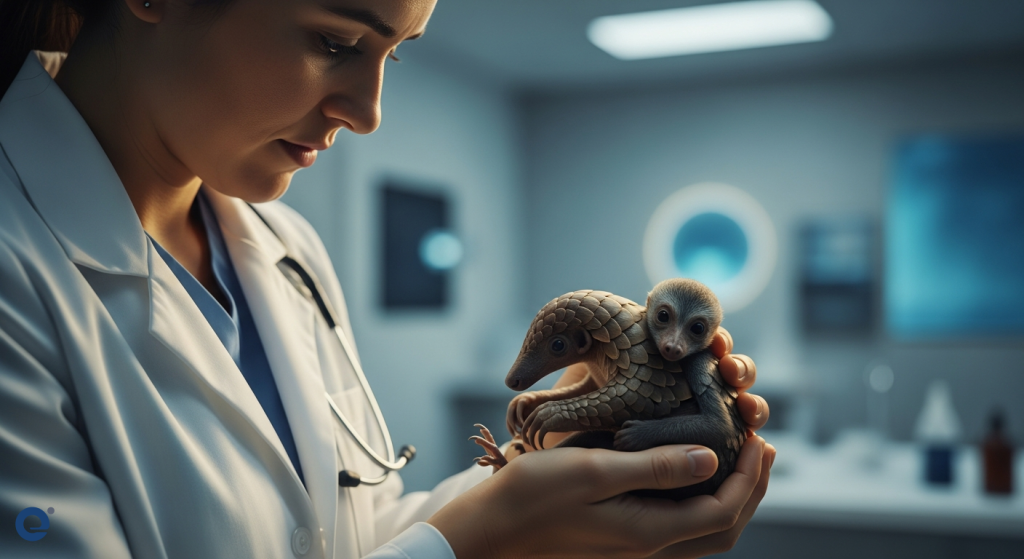
Biodiversity is declining at an alarming rate. This loss impacts ecosystems and the essential services they provide. Fortunately, veterinary science offers vital tools for protecting endangered species. It plays a crucial role in conservation efforts worldwide.
Many species are now critically endangered. Their populations have shrunk dramatically. For example, the North Atlantic right whale and the black-footed ferret have very few individuals left in the wild. This dwindling number breaks essential ecological relationships. Therefore, urgent action is needed to reverse this trend.
The Critical Role of Veterinary Intervention
Veterinary science is more than just treating sick animals. It is a cornerstone of modern wildlife conservation. Vets work on the front lines to save species from extinction. They address health issues that threaten vulnerable populations. This includes disease prevention, treatment, and population management.
Conservationists and zoological researchers rely heavily on veterinary expertise. This expertise helps them understand and mitigate threats. These threats can be natural or human-induced. For instance, pollution can severely impact wildlife health. Rachel Carson’s seminal work, “Silent Spring,” highlighted the devastating effects of pesticides like DDT. This biocide caused a global avian catastrophe. It led to thin-shelled eggs and reproductive failure in many bird species. As a result, bald eagle populations plummeted, and some species, like the California condor, were driven to near extinction. However, thanks to conservation efforts and bans on such chemicals, many bird populations have since recovered.
Today, new threats emerge. These include emerging infectious diseases and the impacts of climate change. Veterinary science is essential for monitoring and managing these challenges. It helps ensure the long-term survival of species.
Disease Prevention and Management
Disease outbreaks can decimate already fragile populations. Veterinary science focuses on preventing these outbreaks. It also manages them effectively when they occur. This involves several key strategies:
- Disease Surveillance: Regular monitoring of wild populations helps detect diseases early. This allows for rapid intervention.
- Vaccination Programs: For some species, vaccination can protect against devastating diseases. This is particularly important for species with small populations.
- Biosecurity Measures: Preventing the introduction and spread of diseases is crucial. This is especially relevant in captive breeding programs and rehabilitation centers.
- Pathogen Research: Understanding the pathogens affecting wildlife helps in developing targeted treatments and preventative measures.
For example, understanding avian flu mutations is vital for containing outbreaks that could affect numerous bird species. This research directly supports conservation goals by minimizing disease-related mortality.
Wildlife Health and Rehabilitation
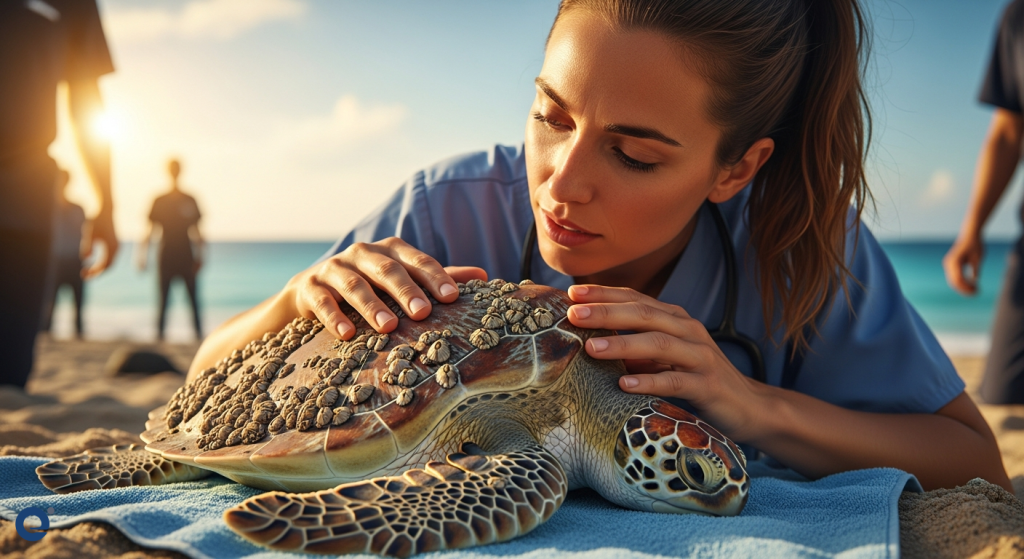
Injured or sick animals often require specialized care. Wildlife rehabilitation centers, staffed by veterinarians and trained professionals, provide this. These centers aim to treat animals and return them to the wild. This process is complex and requires extensive knowledge of species-specific needs. It is challenging work, as highlighted in discussions on wildlife rehabilitation.
Veterinarians assess injuries, diagnose illnesses, and develop treatment plans. This can include surgery, medication, and specialized diets. For instance, treating marine mammals affected by pollution requires a deep understanding of toxicology and marine biology. Similarly, coral reefs, vital ecosystems, face threats from anthropogenic pollution, impacting marine life. Anthropogenic threats to our native reefs pose significant risks to the biodiversity they support.
The success of rehabilitation efforts directly contributes to increasing wild populations. It also helps maintain genetic diversity.
Captive Breeding and Genetic Management
Captive breeding programs are a critical tool for species on the brink. These programs aim to reproduce endangered animals in a controlled environment. They then reintroduce them into their natural habitats. Veterinary science is fundamental to the success of these programs.
Veterinarians ensure the health and well-being of animals in captivity. They manage breeding pairs, monitor pregnancies, and assist with births. Furthermore, they play a role in genetic management. This ensures that the captive population remains genetically diverse and healthy. This diversity is crucial for the long-term viability of the species when reintroduced.
For example, the successful reintroduction of species like the bald eagle and California condor was heavily reliant on captive breeding and meticulous veterinary care. These programs helped build populations from critically low numbers.
Research and Innovation in Conservation Medicine
Conservation medicine is a growing field. It integrates veterinary science, ecology, and public health. This interdisciplinary approach addresses the complex health needs of wildlife and ecosystems. Researchers use advanced diagnostic tools and techniques.
These tools include sophisticated imaging, genetic analysis, and epidemiological studies. Such research helps identify emerging threats. It also informs conservation strategies. For instance, understanding the impact of land-use changes and pollution on bird populations requires detailed scientific investigation. This often involves veterinary input to assess physiological impacts.
Innovation in veterinary science also extends to non-invasive techniques. These methods minimize stress on animals during examinations and treatments. This is vital for maintaining the health of wild animals.
The Human-Animal Interface and Zoonotic Diseases
Many conservation challenges arise from the interface between humans and wildlife. This is particularly true concerning zoonotic diseases. These are diseases that can spread from animals to humans. Veterinary science is key to monitoring and controlling these diseases.
Understanding zoonotic diseases is critical for both human and animal health. Veterinary professionals work with public health officials to track disease spread. They also develop strategies to prevent transmission. This protects both wildlife and human communities.
The COVID-19 pandemic underscored the importance of this One Health approach. It recognizes the interconnectedness of human, animal, and environmental health. Veterinary science is a vital component of this framework. It helps build resilience against future health crises.
Challenges and Future Directions
Despite the crucial role of veterinary science, significant challenges remain. Funding for conservation medicine is often limited. This restricts the scope of research and intervention efforts. Moreover, accessing remote or difficult-to-reach wildlife populations poses logistical hurdles.
However, there is growing recognition of the importance of these efforts. International collaboration and innovative funding models are emerging. Technology also plays an increasing role. Drones for monitoring, remote sensing, and advanced communication tools aid conservationists.
The future of endangered species protection will likely involve even greater integration of veterinary science. This includes advancements in areas like:
- Genomic conservation: Using genetic data to inform breeding programs and understand species’ adaptability.
- Wildlife toxicology: Studying the long-term effects of environmental contaminants on animal health.
- Assisted reproduction: Employing techniques like artificial insemination and cryopreservation for critical species.
- Ecosystem health monitoring: Expanding veterinary roles to assess the health of entire ecosystems.
Ultimately, protecting biodiversity is a shared responsibility. Veterinary science provides essential tools and expertise. It empowers conservationists to safeguard our planet’s precious wildlife for future generations. As Defenders of Wildlife states, “we’re part of the solution.” This collaborative spirit is vital for success.
Wildlife Careers in Vet Med
Frequently Asked Questions
How does veterinary science directly help endangered species?
Veterinary science directly helps endangered species by diagnosing and treating diseases, managing injuries, preventing outbreaks through surveillance and vaccination, and supporting captive breeding programs to increase population numbers.
What are the biggest threats to endangered species today that veterinary science can address?
The biggest threats include infectious diseases, pollution, habitat degradation impacting health, and the spread of zoonotic diseases. Veterinary science addresses these through disease management, toxicology studies, and by promoting healthy ecosystems.
Can veterinary science help reverse extinction?
While veterinary science cannot reverse extinction once it has occurred, it is a critical component in preventing species from reaching that point. It aids in population recovery, genetic diversity maintenance, and reintroduction efforts, thereby playing a crucial role in saving species from extinction.
What is conservation medicine?
Conservation medicine is an interdisciplinary field that integrates veterinary medicine, ecology, and public health to understand and address the health of wildlife, humans, and ecosystems. It recognizes the interconnectedness of these three components.
How can the public support veterinary efforts in wildlife conservation?
The public can support by donating to conservation organizations that employ veterinarians, advocating for stronger environmental policies, reducing their own environmental impact, and supporting responsible wildlife tourism.
<!–
* Post Title: Veterinary Science: Saving Species from the Brink
* SEO Title: Veterinary Science: Saving Endangered Species Through Expert Care
* Meta Description: Explore how veterinary science is a critical tool in protecting endangered species, managing diseases, and ensuring biodiversity for future generations.
* Keywords: veterinary science, endangered species, wildlife conservation, biodiversity, conservation medicine, animal health, wildlife rehabilitation, captive breeding, zoonotic diseases, veterinary research
–>
