
The quest for a longer, healthier life has captivated humanity for centuries. While the mythical Fountain of Youth remains elusive, scientific advancements are continually unlocking the biological secrets that govern our aging process. Among these discoveries, telomeres have emerged as a key player. These tiny structures at the ends of our chromosomes hold profound implications for how we age, our overall healthspan, and our potential for longevity.
Understanding telomeres offers a fascinating glimpse into our body’s internal clock. Furthermore, it provides actionable insights for influencing our biological age, not just our chronological one. This article delves into the science of telomeres, their connection to aging and disease, and how lifestyle choices can impact their length, ultimately offering a path towards enhanced vitality and a more extended, healthier life.
What Exactly Are Telomeres?
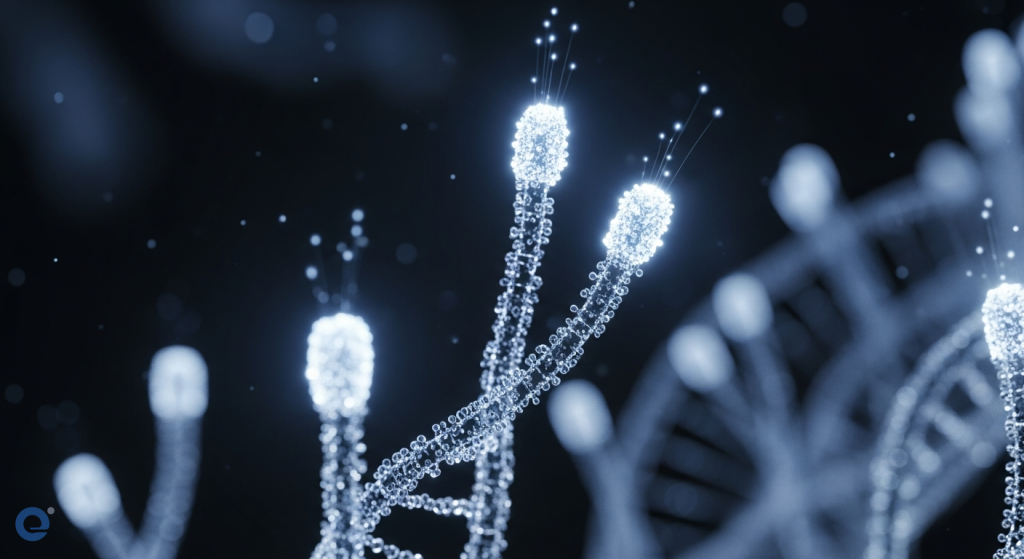
Imagine chromosomes as strands of DNA, carrying all our genetic information. At the very ends of these DNA strands are specialized structures called telomeres. They are composed of repetitive sequences of DNA bases, specifically TTAGGG on one strand and AATCCC on the other. Think of them as protective caps, much like the plastic tips on shoelaces. Without these caps, the shoelaces would fray and unravel. Similarly, telomeres prevent the ends of our chromosomes from fraying, fusing together, or damaging the vital genetic data within.
This protective function is crucial because cells in our body divide constantly to allow for growth, repair, and renewal. Each time a cell divides, the DNA replication process can’t perfectly copy the very ends of the chromosomes. As a result, telomeres naturally shorten with each cell division. This shortening is a fundamental aspect of cellular aging.
The Shoelace Tip Analogy
The comparison of telomeres to shoelace tips is particularly apt. These plastic or metal aglets prevent the fabric ends from unraveling. In the same way, telomeres safeguard the integrity of our chromosomes. Without them, chromosome ends could become sticky, leading to fusion and the scrambling of genetic information. This chaotic state could result in cell malfunction, disease, or cell death. Moreover, without telomeres, cells might mistake the exposed chromosome ends for broken DNA, triggering repair mechanisms that are unnecessary and ultimately detrimental.
Telomere Length: A Measure of Cellular Age
Telomere length can vary significantly. For instance, in newborns, telomeres in white blood cells can be around 8,000 base pairs long. As we age, this length decreases. By adulthood, it might be closer to 3,000 base pairs, and in elderly individuals, it can drop as low as 1,500 base pairs. It’s important to note that a single chromosome contains approximately 150 million base pairs in total. Therefore, telomeres represent a small but critically important portion of our genetic material.
The rate of shortening also varies. On average, a cell loses about 30 to 200 base pairs from its telomeres with each division. This progressive shortening leads to cellular senescence, a state where cells stop dividing but remain metabolically active. Senescent cells can contribute to inflammation and tissue damage, playing a role in the aging process. Alternatively, critically short telomeres can trigger cell death.
Why Do Telomeres Shorten With Cell Division?
The shortening of telomeres during cell division is an inherent consequence of DNA replication. Before a cell divides, it must first duplicate its chromosomes. This process involves unwinding the DNA double helix. An enzyme called DNA polymerase then synthesizes new DNA strands. However, this enzyme requires a primer to start the synthesis process. Because of the way DNA replication works at the very end of a linear chromosome, there isn’t enough space to place this primer at the extreme end of the newly synthesized strand.
Consequently, each time a chromosome is replicated, a small segment at its end is lost. This is often described with an analogy: it’s like a painter who needs to back away from the wall to finish painting, leaving a small unpainted corner. Over many rounds of replication, these “unpainted corners” accumulate, leading to shorter telomeres.
Telomerase: The Enzyme That Counteracts Shortening
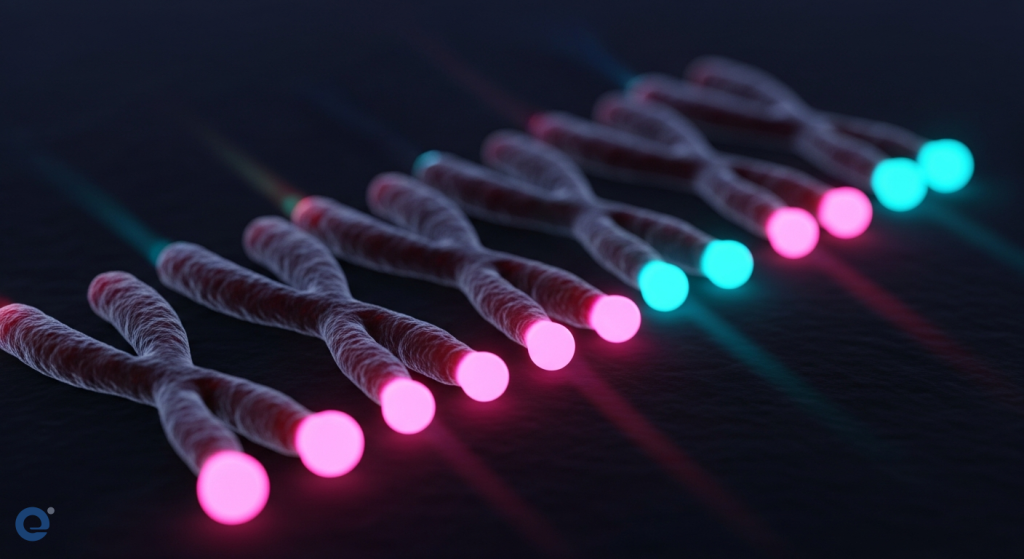
Fortunately, our cells possess a remarkable enzyme called telomerase. Telomerase is capable of adding DNA sequences back to the ends of telomeres, effectively counteracting the shortening that occurs during cell division. In younger cells, telomerase activity helps maintain telomere length, preserving cellular function and delaying senescence. However, the activity of telomerase naturally declines as we age.
This decline in telomerase is one of the primary reasons why telomeres become progressively shorter over time. The enzyme remains highly active in reproductive cells, such as sperm and eggs. This ensures that the telomeres are maintained for the next generation. Without active telomerase in these cells, each successive generation would inherit progressively shorter telomeres, potentially leading to extinction.
Telomerase and Cancer: A Double-Edged Sword
The role of telomerase becomes particularly significant when considering cancer. Cancer cells are characterized by uncontrolled cell division. As they divide rapidly, their telomeres would normally shorten to the point of triggering cell death or senescence. However, many cancer cells achieve immortality by reactivating telomerase. This allows them to maintain their telomere length, enabling continuous proliferation and tumor growth.
Consequently, telomeres are often found to be shortened in various cancers, including pancreatic, bone, prostate, bladder, lung, and kidney cancers. Measuring telomerase activity is even being explored as a potential method for cancer detection. Conversely, blocking telomerase activity in cancer cells is a promising therapeutic strategy. By inhibiting telomerase, researchers aim to force cancer cells to age and die, offering a new avenue for cancer treatment.
Stress: The Silent Thief of Telomere Length
While telomere shortening is a natural part of aging, certain lifestyle factors can significantly accelerate the process. Among these, chronic stress stands out as a major culprit. When we experience stress, our bodies release cortisol, a hormone that, in short bursts, is essential for survival. However, prolonged exposure to elevated cortisol levels can have detrimental effects on our health, including accelerated telomere shortening.
Chronic stress can also lead to unhealthy coping mechanisms. These often include poor sleep habits, unhealthy eating patterns, and a lack of physical activity. All of these behaviors can further exacerbate telomere attrition. Studies have shown that individuals experiencing high levels of chronic stress, such as caregivers, often exhibit shorter telomeres compared to their less-stressed counterparts. This highlights the profound impact of our mental and emotional state on our cellular health and longevity.
Understanding and managing stress is therefore paramount for telomere protection. Practices like mindfulness, meditation, and engaging in regular physical activity can help mitigate the negative effects of stress. Furthermore, cultivating strong social connections and seeking support when needed are vital for emotional well-being, which in turn supports telomere health. For individuals looking to proactively manage stress, exploring resources on cortisol balance and stress management can provide valuable strategies.
Lifestyle Factors That Influence Telomere Length
Beyond stress management, several other lifestyle choices play a significant role in maintaining telomere length and promoting healthy aging. These factors work in concert to influence our biological clock and overall vitality.
1. Nutrition: Fueling Your Cells for Longevity
A nutrient-rich diet is fundamental for cellular health. Foods high in antioxidants, vitamins, and minerals can help combat oxidative stress, a process that can damage DNA and accelerate telomere shortening. Diets rich in fruits, vegetables, whole grains, and lean proteins provide the building blocks our cells need to function optimally and repair damage.
Conversely, diets high in processed foods, unhealthy fats, and sugar can promote inflammation and oxidative stress, negatively impacting telomere length. Specific dietary patterns, such as the Mediterranean diet, have been associated with longer telomeres and improved health outcomes. Mindful eating practices can also enhance nutrient absorption and support overall well-being.
For those seeking to optimize their diet based on their unique genetic makeup, personalized recommendations can be highly beneficial. Advanced DNA testing can provide insights into how your genetics influence nutrient metabolism and predispositions to certain health conditions, guiding more targeted dietary choices.
2. Exercise: Moving for Cellular Health
Regular physical activity is another cornerstone of healthy aging and telomere maintenance. Moderate-intensity exercise has been shown to improve telomere length and reduce the rate of shortening. Exercise not only helps manage stress but also enhances mitochondrial function and reduces inflammation, both of which are beneficial for telomere health.
However, it’s important to find a balance. Extremely intense or prolonged exercise without adequate recovery can sometimes lead to increased oxidative stress. Therefore, a consistent, balanced exercise regimen is key. Exploring the benefits of different types of physical activity, such as the advantages of cold exposure, can further enhance a holistic approach to health.
3. Sleep: The Body’s Essential Repair Time
Quality sleep is crucial for cellular repair and regeneration. During sleep, our bodies work to restore and rebuild tissues, and this process is vital for maintaining telomere length. Chronic sleep deprivation can disrupt these repair mechanisms, leading to increased oxidative stress and accelerated telomere shortening. Aiming for 7-9 hours of quality sleep per night is essential for optimal health and longevity.
4. Social Connection and Mindfulness
Strong social connections and a sense of purpose are powerful determinants of well-being. Engaging with others and participating in meaningful activities can reduce stress and improve mental health, indirectly supporting telomere health. Mindfulness practices, such as meditation, can also help reduce stress and improve emotional regulation.
Telomeres, Biological Age, and Longevity
The length of our telomeres is a significant indicator of our cellular age, often referred to as biological age. While chronological age is simply the number of years we’ve been alive, biological age reflects the actual health and functional capacity of our cells and tissues. Individuals with longer telomeres tend to have a younger biological age and are often healthier and live longer.
Conversely, shorter telomeres are associated with an increased risk of age-related diseases, including cardiovascular disease, diabetes, and certain types of cancer. They are also linked to frailty and a higher risk of mortality. Therefore, protecting and potentially lengthening telomeres is a key strategy for enhancing healthspan and increasing longevity.
Genetic testing can provide further insights into an individual’s predisposition to aging and longevity. Companies offer tests that analyze genetic factors influencing biological age, telomere length, and other health markers. These tests can offer personalized recommendations for diet, supplements, and lifestyle adjustments to optimize an individual’s proactive aging journey.
The Future of Telomere Research and Longevity
Research into telomeres is rapidly evolving, opening new frontiers in the pursuit of longevity and age-related disease prevention. Scientists are exploring various interventions aimed at influencing telomere length and telomerase activity.
One area of interest is the development of therapies that can safely activate telomerase to restore telomere length without increasing cancer risk. Additionally, understanding the complex interplay between genetics, lifestyle, and telomere dynamics will lead to increasingly personalized approaches to healthy aging. The field of precision medicine, which tailors treatments based on an individual’s unique genetic makeup, holds immense promise for optimizing longevity strategies.
Furthermore, ongoing research continues to explore the link between telomeres and other aspects of aging, such as cognitive decline, immune function, and overall quality of life. By unraveling these intricate biological mechanisms, we move closer to achieving not just a longer life, but a healthier, more vibrant one.
Frequently Asked Questions About Telomeres and Longevity
What is the primary function of telomeres?
Telomeres act as protective caps at the ends of chromosomes. They prevent the DNA from fraying, fusing with other chromosomes, or being recognized as damaged DNA, thereby protecting our genetic information and allowing cells to divide.
Why do telomeres shorten over time?
Telomeres shorten with each cell division because the DNA replication process cannot fully copy the very ends of the chromosomes. This is a natural consequence of how DNA is duplicated. The enzyme telomerase can counteract this shortening, but its activity declines with age.
Can telomere length be increased?
While telomere shortening is natural, certain lifestyle interventions like stress management, a healthy diet, and regular exercise can help slow down the rate of shortening. Research is ongoing into therapies that might safely increase telomere length, but this is a complex area with potential risks, especially regarding cancer.
How does stress affect telomeres?
Chronic stress can accelerate telomere shortening. This is partly due to the release of stress hormones like cortisol, and also because stress often leads to unhealthy lifestyle behaviors that further damage telomeres.
Are telomeres the only factor in aging?
No, telomere length is just one aspect of the complex aging process. Aging is influenced by numerous factors, including genetics, cellular damage, inflammation, and metabolic changes. However, telomeres are a significant biomarker of cellular aging.
Can telomere length predict lifespan?
Telomere length is correlated with healthspan and can be an indicator of a higher risk for age-related diseases. While it can provide insights into biological age, it is not a definitive predictor of lifespan on its own, as many other factors contribute to how long an individual lives.
What is the role of telomerase in cancer?
Telomerase is often reactivated in cancer cells. This reactivation allows cancer cells to maintain their telomere length, preventing them from undergoing senescence or cell death and enabling their uncontrolled proliferation and immortality.
How Telomeres Influence Aging: Simple Science Explained
