
Gut-Brain Axis: Your Microbiome Controls Mood & Focus
Published on December 25, 2025 by Admin
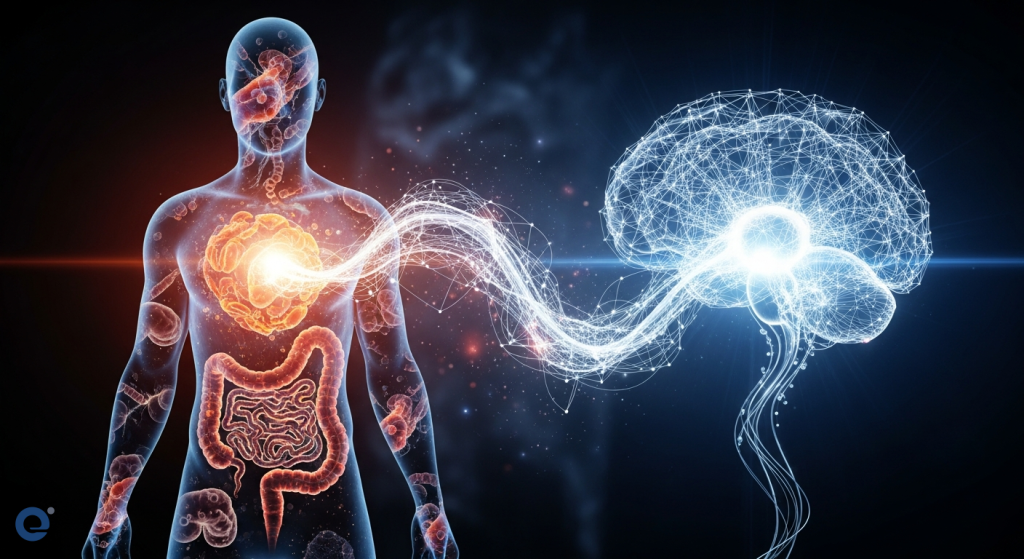
Do you often feel anxious or find it hard to concentrate? Perhaps you experience digestive issues regularly. These problems might be more connected than you think. Your gut, often called your “second brain,” plays a crucial role in your mental well-being. This connection is known as the gut-brain axis. It’s a complex communication system linking your digestive tract and your central nervous system. Understanding this link can offer new ways to manage anxiety, brain fog, and digestive discomfort.
This article explores how the tiny organisms in your gut, your microbiome, influence your mood, focus, and overall mental health. We will delve into the science behind this fascinating connection and discuss potential strategies to nurture a healthy gut for a healthier mind.
The Gut-Brain Axis Explained
The gut-brain axis is a bidirectional pathway. This means your brain communicates with your gut, and your gut communicates with your brain. This communication happens through several routes. These include the nervous system, hormones, and the immune system. For instance, the autonomic nervous system connects the gut and brain. The hypothalamic-pituitary-adrenal (HPA) axis is also involved. This system regulates your body’s stress response. Nerves within your gastrointestinal (GI) tract are key players. They allow your brain to influence gut activities. Simultaneously, your gut can affect your mood, thinking, and mental state.
Evidence suggests that the gut microbiome profoundly influences this gut-brain relationship. Fluctuations in your gut bacteria are linked to changes in your mental state and emotional regulation. This is why many mood disorders, such as anxiety and depression, often coexist with functional GI disruptions. Conversely, GI diseases like irritable bowel syndrome (IBS) can involve psychological issues tied to microbiome alterations.
How Your Microbiome Influences Your Brain
Your gut microbiome is a vast community of bacteria, fungi, and other microbes. They live primarily in your intestines. These microbes are not just passive residents. They actively produce substances that can affect your brain. For example, certain gut bacteria produce neurotransmitters. These are chemical messengers that your brain uses to regulate mood and cognition. Serotonin, often called the “feel-good” hormone, is largely produced in the gut. A healthy microbiome can help maintain balanced levels of these crucial chemicals. Conversely, an imbalance, known as dysbiosis, can disrupt neurotransmitter production. This can lead to changes in mood and cognitive function.
Moreover, gut microbes influence inflammation. Chronic inflammation is linked to various mental health issues, including depression and anxiety. A healthy gut microbiome helps regulate the immune system and reduce inflammation throughout the body, including the brain. Research has shown that germ-free mice (mice raised without any microbes) exhibit altered stress responses and reduced levels of brain-derived neurotrophic factor (BDNF). BDNF is vital for brain plasticity and neuronal health. This highlights the significant role of microbes in brain development and function. It’s fascinating that even early colonization of microbes can impact neural systems governing stress responsiveness.
Microbiome Imbalances and Mental Health
When the balance of your gut microbiome is disturbed, it can have noticeable effects on your mental state. This imbalance, or dysbiosis, can arise from various factors. These include poor diet, stress, antibiotic use, and infections. Dysbiosis can lead to increased gut permeability, often referred to as “leaky gut.” This allows harmful substances to enter the bloodstream, triggering inflammation. This systemic inflammation can then affect the brain, contributing to symptoms like anxiety, depression, and brain fog.
For instance, studies have indicated that individuals with depression often have different gut microbial compositions compared to healthy individuals. Similarly, anxiety disorders have been linked to alterations in specific gut bacteria. The precise mechanisms are still being researched, but it’s clear that a disrupted microbiome can create a less favorable environment for mental well-being. The gut-brain axis is a complex network, and disturbances in one part can ripple through the entire system. Therefore, addressing gut health is becoming increasingly recognized as a vital component of mental health care.
Anxiety and the Gut
Anxiety is a common mental health concern. Emerging research strongly suggests a link between gut health and anxiety. Your gut microbes can influence the production of GABA, an inhibitory neurotransmitter that helps calm the nervous system. When GABA levels are low, it can lead to increased anxiety. Certain probiotic strains have shown promise in helping to modulate GABA production. Furthermore, the vagus nerve, a major communication highway between the gut and brain, plays a critical role. Signals from the gut, influenced by the microbiome, travel up the vagus nerve to the brain, impacting mood and stress responses. One study even found that oral administration of a specific bacterium in rats led to anxiety-like behavior, with activation of brain regions receiving signals from the gut via the vagus nerve. This connection is profound.
The gut-brain axis is a bidirectional communication network that links the enteric and central nervous systems. This network is not only anatomical, but it extends to include endocrine, humoral, metabolic, and immune routes of communication as well. The autonomic nervous system, hypothalamic-pituitary-adrenal (HPA) axis, and nerves within the gastrointestinal (GI) tract, all link the gut and the brain, allowing the brain to influence intestinal activities, including activity of functional immune effector cells; and the gut to influence mood, cognition, and mental health. Clinical, epidemiological, and immunological evidence suggest that enteric microbiota extensively and profoundly influences the gut-brain relationship.
Brain Fog and Gut Health
Brain fog, characterized by difficulty concentrating, memory problems, and mental fatigue, can be incredibly frustrating. While many factors can contribute to brain fog, gut health is increasingly recognized as a significant player. Inflammation originating in the gut can affect the brain, leading to cognitive impairment. When the gut barrier is compromised, inflammatory molecules can enter the bloodstream and cross the blood-brain barrier, impacting neural function. This neuroinflammation is a key contributor to brain fog symptoms.
Furthermore, the gut microbiome influences the production of short-chain fatty acids (SCFAs) like butyrate. Butyrate is a primary energy source for cells in the colon and has anti-inflammatory properties. It also plays a role in maintaining the integrity of the blood-brain barrier. A healthy microbiome rich in SCFA-producing bacteria can help reduce inflammation and support cognitive function. Conversely, an imbalanced microbiome may lead to lower SCFA production and increased gut permeability, exacerbating brain fog.
Supporting Your Gut for Better Mood and Focus
Fortunately, you can take proactive steps to support your gut health and, in turn, improve your mood and focus. Diet is a cornerstone of gut health. Consuming a diet rich in fiber is crucial. Fiber acts as a prebiotic, feeding beneficial gut bacteria. Foods like fruits, vegetables, whole grains, and legumes are excellent sources of fiber. Fermented foods, such as yogurt, kefir, sauerkraut, and kimchi, contain live beneficial bacteria (probiotics) that can directly enhance your gut microbiome.
Limiting processed foods, excessive sugar, and artificial sweeteners is also important. These can negatively impact the gut microbiome and promote inflammation. Staying hydrated is essential for overall digestive function. Managing stress is another key factor. Chronic stress can negatively affect gut motility and the composition of the microbiome. Engaging in stress-reducing activities like mindfulness, meditation, yoga, or spending time in nature can be highly beneficial.
The Role of Probiotics and Prebiotics
Probiotics are live microorganisms that, when administered in adequate amounts, confer a health benefit on the host. They can help restore balance to the gut microbiome. Different probiotic strains have been studied for their effects on mood and anxiety. For example, certain strains ofLactobacillus andBifidobacterium have shown promise in reducing symptoms of depression and anxiety. However, the effectiveness can vary depending on the specific strain, dosage, and duration of treatment. More research is needed to fully understand optimal therapeutic protocols.
Prebiotics, on the other hand, are non-digestible fibers that selectively stimulate the growth and activity of beneficial bacteria in the gut. Think of them as food for your probiotics. Common prebiotics include inulin, fructooligosaccharides (FOS), and galactooligosaccharides (GOS). Including prebiotic-rich foods in your diet can help cultivate a healthier gut environment. Combining probiotics and prebiotics, often referred to as synbiotics, may offer synergistic benefits for gut and brain health.
Microbiome-based therapies such as probiotics could be cautiously recommended for depression to enhance beneficial bacteria in the gut and to improve mood through the gut-brain axis. Probiotics are likely to improve depression but not schizophrenia.
Lifestyle Interventions
Beyond diet, several lifestyle interventions can positively impact the gut-brain axis. Regular physical activity is beneficial for both gut motility and mood. Exercise can promote the growth of beneficial gut bacteria and reduce inflammation. Adequate sleep is also crucial. Poor sleep can disrupt the gut microbiome and exacerbate stress and anxiety. Aim for 7-9 hours of quality sleep per night.
Mindfulness and meditation practices can directly influence the gut-brain axis by reducing stress and promoting a calmer state. This can help alleviate symptoms of anxiety and improve focus. If you are struggling with chronic issues, exploring lifestyle medicine can offer a holistic approach. This type of medicine focuses on using lifestyle interventions to prevent and manage chronic diseases, often addressing the gut-brain connection. You can learn more about lifestyle medicine for chronic diseases here.

When to Seek Professional Help
While these strategies can be very effective, it’s important to know when to seek professional guidance. If you are experiencing persistent anxiety, severe brain fog, or debilitating digestive issues, consult a healthcare professional. They can help rule out underlying medical conditions and provide personalized treatment plans. This might include a doctor, a registered dietitian, or a mental health professional.
Understanding your gut microbiome and its connection to your brain is a journey. By making conscious choices about your diet and lifestyle, you can nurture a healthier gut and, consequently, a more balanced and focused mind. The scientific community continues to uncover the intricate details of this vital connection, offering hope for more effective natural treatments for a range of conditions.
How to Fix Your Brain-Gut Connection: Anxiety and the Brain-Gut Microbiome Axis
Frequently Asked Questions (FAQ)
What is the gut-brain axis?
The gut-brain axis is a complex, bidirectional communication network that links your digestive system (gut) and your central nervous system (brain). It allows the gut to influence mood, cognition, and mental health, and the brain to influence gut functions.
How does the gut microbiome affect mood?
The gut microbiome produces neurotransmitters like serotonin, which regulate mood. An imbalanced microbiome can disrupt neurotransmitter production and increase inflammation, negatively impacting mood and contributing to conditions like depression and anxiety. This connection is profound and impacts emotional regulation.
Can gut health improve focus and reduce brain fog?
Yes, gut health can significantly impact focus and reduce brain fog. A healthy gut microbiome helps reduce inflammation, which can impair cognitive function. It also produces compounds like butyrate, which supports brain health. Conversely, gut dysbiosis and inflammation can lead to brain fog.
What are probiotics and prebiotics?
Probiotics are live beneficial bacteria that can be consumed to improve gut health. Prebiotics are types of fiber that feed these beneficial bacteria, promoting their growth and activity in the gut. Together, they can enhance the gut microbiome.
Are there specific foods that support the gut-brain axis?
Yes, a diet rich in fiber (fruits, vegetables, whole grains) and fermented foods (yogurt, kefir, sauerkraut) is beneficial. Limiting processed foods, sugar, and artificial sweeteners is also recommended. These choices influence the composition and health of your gut microbiome.
