
The Mysterious Bee Decline: A Global Ecological Threat
Published on December 25, 2025 by Admin
The Unseen Crisis Affecting Our Planet
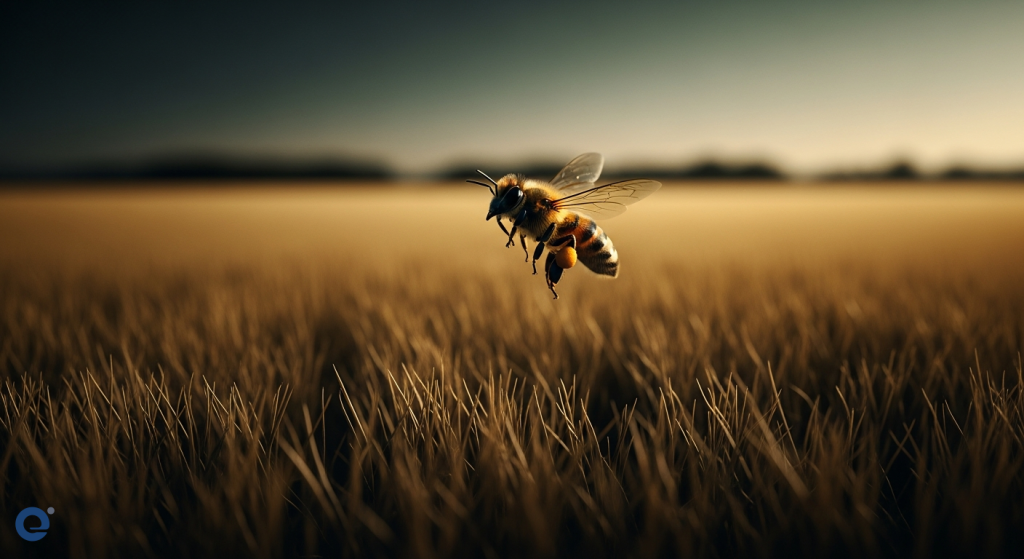
Bees are vital. They are more than just honey producers. They are essential pollinators. Many of our crops depend on them. This includes fruits, vegetables, and nuts. Without bees, our food supply is at risk. Therefore, the continuous decline of bee populations is a serious global threat.
This decline is not a simple issue. Scientists are calling it a mystery. It impacts ecosystems worldwide. It also threatens a multi-billion dollar food industry. Understanding this crisis is crucial for environmentalists, beekeepers, and policymakers alike.
Colony Collapse Disorder: The Heart of the Mystery
Colony Collapse Disorder (CCD) is a major concern. It has significantly reduced honeybee populations. Most scientists agree on a complex cause. It is likely a combination of factors. These include environmental stressors, climate change, and unknown viruses or pathogens. Most scientists agree that it is caused by a combination of factors ranging from the environment, climate change, unknown viruses, and other pathogens.
Since 2009, the European honeybee, Apis mellifera, has seen a continuous decline. Researchers hypothesize that numerous factors contribute to CCD. These range from pesticide misuse to RNA viruses. While there are many possible causes of CCD, microbes, pollutants, and stress factors are the three biggest influences that have contributed to the decline of honeybees.
The Economic and Ecological Impact
Diminished bee populations have a large impact. This affects crop production. It also affects the global economy. In the United States, managed honey bees pollinate over 100 commercial crops. These crops are worth more than $15 billion. In the United States, managed honey bees pollinate over 100 commercial crops worth over $15 billion.
Imagine a world without cherries or blueberries. Think about tomatoes, cucumbers, peppers, and squash. Coffee and almonds are also at risk. Without pollinators, many of our favorite foods would disappear. This highlights the critical role bees play in our food security.
Unraveling the Microbial Culprits
Scientists are investigating microbial causes. They are looking at a cellular level. This is because larger-scale indicators are unclear. While CCD itself is a small proportion of losses, it is prevalent in many independent populations. The three most researched groups of microbes are viruses, bacteria, and fungi.
Viruses: Altering Bee Biology
Viruses can change bees at a cellular level. They alter DNA and RNA strands. Around twenty positive RNA viruses have been documented. These viruses can affect morphology, physiology, and behavior. These viruses can “affect the morphology, physiology, and behavior of bees and have been widely associated with weak and dying colonies both historically and recently”.
It is possible an unknown virus impairs cognitive function. This could prevent bees from returning to the hive. Healthy bees often try to save the colony. They remove infected bees. However, this can also spread the disease.
Bacteria: The Infectious Threat
Bacteria are highly infectious. They target weak and young bees. Diseases like American and European foul brood kill larvae. However, they are less harmful to adult bees. Tests show adult bees carry lower levels of these bacteria. Tests have concluded that adults carry lower levels of these infectious bacteria.
A bacterial infection could explain rapid disease spread. It could also explain why infected bees don’t return. This would leave the infection undetected by healthy bees. The quick spread is concerning for colony health.
Fungi: A Hidden Danger
Fungi also spread easily. They can kill larvae in various ways. Fungi spread vertically and horizontally. Vertical spread occurs from the queen to her brood. Horizontal spread happens between hive mates. Fungi can spread both vertically and horizontally.
Bees have defense mechanisms. However, these can sometimes cause harm. For instance, some worker bees detect chalkbrood fungus early. They remove infected larvae before spores mature. Other workers remove dead bees or eat them. This is problematic. Diseases can spread from the dead to the living.
Environmental Stressors: A Growing Concern
Other stressors affect bee health. Scientists are increasingly interested in environmental factors. Habitat loss is a major issue. Climate change also plays a role. Climate change can disrupt bee hierarchy. It alters their temporal activity. Climate change may impact organization levels of bee hierarchy by “changing the temporal activity of bees”.
Plant biodiversity has changed globally. This is due to foreign plants, pathogens, and insects. Some foreign plants were introduced to help bees. However, they can also introduce new threats. This interaction of factors creates a complex web of challenges.
Pesticides: The Chemical Assault
Pesticides are a significant threat. Neonicotinoids are a class of insecticides. They are widely used in agriculture. These pesticides are systemic. They are absorbed by plants. Bees ingest them through nectar and pollen. Neonicotinoids are a class of insecticides that are widely used in agriculture and have been shown to be harmful to bees.
Even low doses can harm bees. They can impair navigation. They can also affect learning and memory. This makes it harder for bees to find food. It also makes it harder for them to return to the hive. This chemical exposure weakens colonies.
Habitat Loss and Monoculture Farming
The expansion of agriculture is a problem. It leads to habitat loss. Large areas are cleared for farming. This reduces the availability of diverse food sources. Bees need a variety of flowers for nutrition. Monoculture farming provides only one type of food. Populations of native flower-visiting insects have dropped in disturbed areas, and the trend toward large acreages of specialized crops that need pollination to set fruit requires vastly more pollinators than would naturally be present.
This lack of diversity weakens bees. It makes them more susceptible to diseases. It also impacts their reproductive success. A healthy diet is essential for a strong immune system. This is true for bees as well.
The Role of Beekeepers and Agriculture
Beekeepers face immense challenges. They are essential for pollination services. They truck hives across vast distances. This is for crops like almonds, citrus, and blueberries. In fact, today the honey bee’s primary commercial value is as a crop pollinator.
These artificial conditions are stressful for bees. Long-distance transport is taxing. The constant need to pollinate large monocultures is demanding. This puts a significant strain on already vulnerable colonies. Therefore, sustainable beekeeping practices are vital.
Understanding Native Bee Decline
The focus is often on honey bees. However, native bee populations are also declining. There are over 20,000 known species of bees. Only seven are honey bees of the genus Apis. Native bees are crucial pollinators too. Bumble bees, for example, are important in North America. Native to North America, these fuzzy bees (Bombus species) do not produce surplus honey, but they remain important pollinators for both wild and cultivated plants.
These bees have coevolved with local plants. Their decline impacts wild plant reproduction. It also affects the ecosystems they inhabit. Protecting native bees requires specific conservation efforts. These efforts must address their unique needs and habitats.
What Can Be Done? Solutions and Hope
Addressing bee decline requires a multi-faceted approach. Environmentalists, beekeepers, and policymakers must collaborate. Here are some key actions:
For Environmentalists:
- Promote native plant gardening.
- Reduce pesticide use in urban and rural areas.
- Support sustainable agriculture initiatives.
- Educate the public about bee importance.
For Beekeepers:
- Implement integrated pest management.
- Provide diverse and nutritious forage.
- Monitor colonies for diseases and pests regularly.
- Advocate for bee-friendly policies.
For Policymakers:
- Fund research into bee health and threats.
- Enact stricter regulations on harmful pesticides.
- Support habitat restoration and creation.
- Incentivize bee-friendly farming practices.
The 2008 Farm Bill authorized funds for pollinator research. This shows growing recognition of the problem. In April, much to the amusement of the press, they swarmed. Brandts calmly boxed the errant queen and returned the girls to work; he collected the first batch of honey in June. Meanwhile, a bipartisan group of 20 senators requested that the Agriculture Appropriations Subcommittee allocate $20 million in fiscal year 2010 for pollinator research projects, as authorized by the 2008 Farm Bill. This demonstrates a commitment to finding solutions.
The Future of Pollination
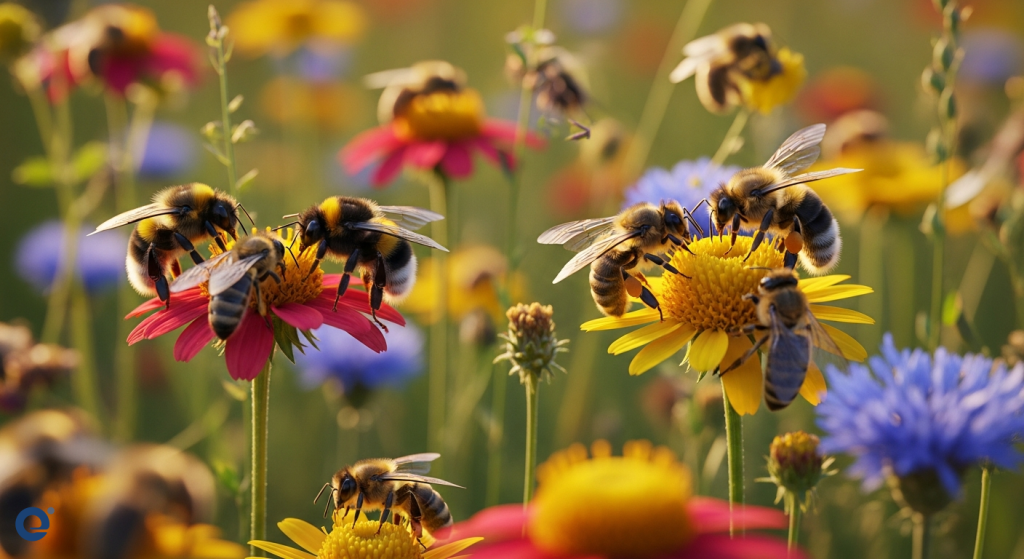
The future of our food systems depends on bees. Their decline is a stark warning. It is a call to action for all of us. Protecting bees means protecting our planet. It means safeguarding our own future. We must work together to ensure these vital pollinators thrive.
The complexity of bee decline mirrors other ecological challenges. For instance, understanding the delicate balance between human and animal health is crucial. This is especially true when considering zoonotic diseases. You can learn more about this topic in our article on zoonotic diseases.
The Shocking Truth About the Bee Extinction Myth
Frequently Asked Questions (FAQ)
What is Colony Collapse Disorder (CCD)?
Colony Collapse Disorder (CCD) is a phenomenon where worker bees abruptly disappear from a colony. The remaining bees and queen are left behind, and the hive is eventually abandoned. It has led to significant honeybee losses worldwide.
Are only honey bees affected by this decline?
No. While honey bees are a major focus due to their role in agriculture, native bee species are also experiencing declines. These native pollinators are crucial for local ecosystems and plant reproduction.
What are the main causes of bee decline?
The causes are complex and multifaceted. They include a combination of factors such as pesticide exposure (especially neonicotinoids), habitat loss, monoculture farming, climate change, and various pathogens like viruses, bacteria, and fungi.
How does pesticide use harm bees?
Certain pesticides, particularly neonicotinoids, can impair bees’ navigation, learning, and immune systems, even at low doses. This makes it difficult for them to find food and return to their hives, weakening the colony.
What can individuals do to help save bees?
Individuals can help by planting native flowers that provide nectar and pollen, reducing or eliminating pesticide use in their gardens, supporting local beekeepers, and advocating for bee-friendly policies.
