
Unlock Your Potential: The Cold Exposure Advantage
Published on December 25, 2025 by Admin

The idea of voluntarily plunging into icy water might sound daunting. However, for athletes and biohackers alike, deliberate cold exposure, whether through ice baths or cold showers, offers a scientifically backed pathway to enhanced physical and mental well-being. This practice, rooted in ancient traditions, is now gaining significant traction for its potent benefits on mood, metabolism, resilience, and more.
In this comprehensive guide, we’ll delve into the science behind cold exposure. We will explore how these frigid dips can transform your health and performance. Furthermore, we’ll provide practical insights for incorporating this powerful tool into your lifestyle.
The Science of Chilling: How Cold Impacts Your Body
When your body encounters cold, it triggers a cascade of physiological responses. These are not merely survival mechanisms; they are powerful adaptations that can be harnessed for significant health gains. Understanding these mechanisms is key to appreciating the power of cold exposure.
Neurochemical Revelations: Epinephrine and Norepinephrine
One of the most immediate effects of cold exposure is a significant release of stress hormones, specifically epinephrine (adrenaline) and norepinephrine (noradrenaline). These powerful neurochemicals are responsible for the initial jolt you feel. They make you feel alert and can even induce a desire to move or vocalize. Importantly, their levels remain elevated for some time after the exposure. This sustained elevation contributes to increased energy and focus, which can be applied to subsequent mental and physical tasks.
Indeed, studies have shown that even brief exposures to very cold water, around 40°F (4.4°C), can lead to significant increases in epinephrine within just 20 seconds. This rapid hormonal response is a cornerstone of cold exposure’s energizing effects.
Dopamine’s Delight: Mood Enhancement and Motivation
Beyond the immediate jolt, cold exposure has a profound impact on mood. It is known to cause a prolonged release of dopamine. Dopamine is a critical neurotransmitter associated with pleasure, motivation, and reward. Even short bouts of cold exposure can result in a lasting increase in dopamine levels. This, in turn, leads to sustained elevation in mood, energy, and focus. Therefore, cold showers and ice baths can be powerful tools for combating low mood and enhancing overall mental outlook.
One study highlighted that individuals immersed in cool water (around 60°F or 15.5°C) for up to an hour experienced significant and prolonged increases in dopamine. This demonstrates that duration and temperature play a role in the magnitude of the dopamine response.
Building Resilience: The Mental Fortitude Factor
Deliberate cold exposure is more than just a physical challenge; it’s a potent mental training ground. By consciously embracing the stress of the cold as a self-directed challenge, you engage in what is known as ‘top-down control’. This process involves your prefrontal cortex, the part of your brain responsible for planning and impulse control. You learn to exert conscious control over reflexive, automatic responses to stress.
This ability to regulate your internal state under stress is the very essence of resilience and grit. Consequently, the mental fortitude developed in cold environments translates directly to how you handle real-world stressors. You become better equipped to maintain a calm, clear mind when faced with adversity.
Metabolic Mastery: Fueling Your Inner Furnace
Cold exposure also significantly impacts your metabolism. In the short term, your body works hard to generate heat to maintain its core temperature. This process burns calories. More importantly, regular cold exposure can stimulate the activation and growth of brown adipose tissue (BAT), often referred to as ‘brown fat’.
Unlike white fat, which primarily stores energy, brown fat is metabolically active. It generates heat by burning calories and improving energy expenditure. This can be a game-changer for those looking to manage their weight and improve metabolic health. Furthermore, cold exposure has been linked to improved insulin sensitivity, which is crucial for preventing conditions like type 2 diabetes.
Indeed, research suggests that thermal stress from cold water exposure helps generate energy and heat, potentially improving metabolism and aiding in the breakdown of blood glucose and fat molecules. This metabolic boost is a compelling reason for many to embrace the chill.
Practical Applications: Ice Baths vs. Cold Showers
While the benefits are clear, the method of delivery can vary. Ice baths and cold showers are the most common and accessible forms of deliberate cold exposure.
Ice Baths: The Deep Dive
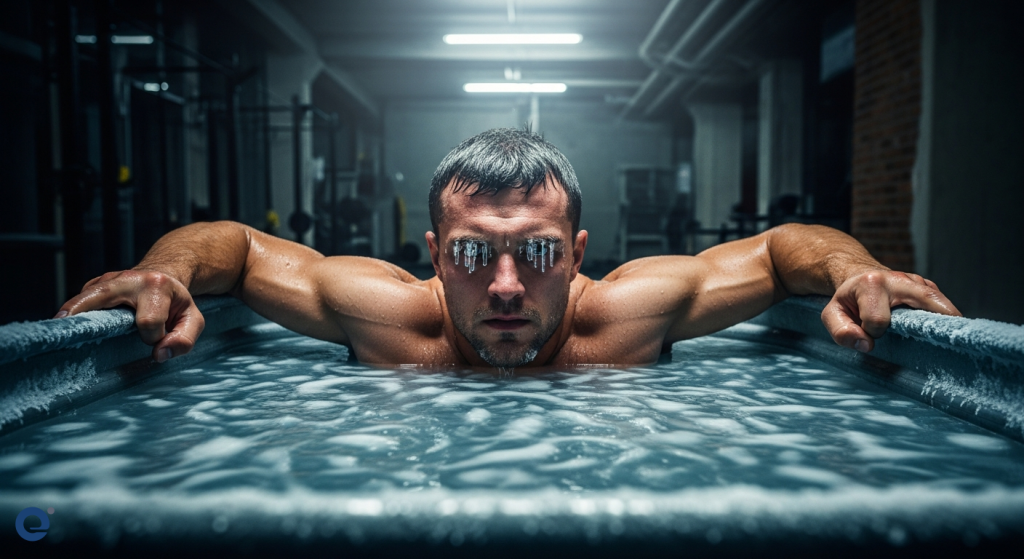
Ice baths, or cold water immersion up to the neck with the head above water, are frequently used in scientific studies due to their potent effects. They provide a significant thermal stimulus. The colder the water, the shorter the duration needed to elicit a response. However, they require more preparation and are less accessible to many.
Cold Showers: The Accessible Alternative
Cold showers are a more practical and widely accessible option. While they might not provide the same intense stimulus as a full ice bath, they still offer substantial benefits. Even short durations, as little as 30 to 90 seconds, can be enough to trigger positive physiological responses. Therefore, cold showers are an excellent entry point for beginners.
Most studies use ice baths or cold water immersion. However, cold showers can also be effective and are much more accessible for most people. The key is consistency.
Beyond the Chill: Specific Health Benefits Unveiled
The advantages of cold exposure extend across various aspects of health and performance. Let’s explore some of the most significant benefits supported by scientific evidence.
Boosting Immune Function
Regular cold exposure can significantly bolster your immune system. The stress response triggered by cold water immersion can lead to an increase in white blood cells. These cells are crucial for fighting off infections. Studies have shown that individuals who regularly incorporate cold water swims experience fewer upper-respiratory tract infections.
In fact, some research indicates that regular cold water exposure can lead to as much as a 40% reduction in instances of upper-respiratory tract infections. This immune-boosting effect is a powerful argument for its inclusion in a healthy lifestyle.
Reducing Inflammation and Pain
Cold water immersion is a well-known method for reducing inflammation and swelling. When exposed to cold, blood vessels constrict, reducing blood flow to inflamed areas. This can help alleviate pain and discomfort, particularly in joints and muscles. Athletes have long used ice baths for post-exercise recovery, and scientific evidence supports this practice.
The surge in stress hormones like norepinephrine during cold exposure can also help reduce pain perception. This occurs because norepinephrine can constrict blood vessels, and it may also act as a distraction, rerouting pain neurotransmitters. This is why swimmers in cold temperatures have reported a substantial increase in alertness and attention.
Improving Mental Health and Fighting Depression
The release of endorphins and dopamine during cold exposure has a significant positive impact on mental health. Endorphins are natural mood elevators, while dopamine enhances feelings of well-being and motivation. This makes cold showers and ice baths a valuable tool for managing symptoms of depression and anxiety. While more research is needed, the current evidence is promising.
Cold water immersion has been shown to have positive effects on our psyche. This is attributed to the brain releasing endorphins in response to the stress, which may promote healthier brain development and improve mental health.
Enhancing Cardiovascular and Endocrine Systems
Cold exposure challenges your cardiovascular system, making it stronger over time. The initial shock causes blood vessels to constrict, increasing blood pressure temporarily. However, with regular exposure, the system adapts, leading to improved circulation and a healthier heart. Additionally, cold exposure influences the endocrine system, which regulates hormone production, contributing to overall hormonal balance.
Promoting Healthy Aging and Longevity
Emerging research suggests that cold water therapy may play a role in promoting healthy aging and extending healthspan. By positively impacting cardiometabolic risk factors, stimulating brown adipose tissue, and enhancing overall well-being, cold exposure contributes to a more robust and resilient body. This can translate to a longer, healthier life.
Cold water therapy has emerged as a lifestyle strategy with the potential to evoke a wide array of health benefits. This hydrotherapy technique shows promise for promoting healthy aging.
How to Safely Incorporate Cold Exposure
Safety is paramount when engaging in cold exposure. Here are some essential guidelines:
- Never compromise safety: Avoid dangerous bodies of water and never engage in deliberate hyperventilation before or during cold water immersion.
- Start slow: Begin with warmer temperatures and gradually decrease the temperature as you become more accustomed to it.
- Listen to your body: Aim for a temperature that feels challenging but safe. You should feel the urge to get out, but be able to safely remain in the cold.
- Duration matters: Shorter durations are needed for colder temperatures. For example, 20 seconds in very cold water can be effective, while an hour in cooler water might be needed for other benefits.
- Consistency is key: Regular practice leads to greater comfort and allows for the use of colder temperatures with more confidence.
Finding the right temperature is highly individual. What feels intensely cold to one person might be tolerable for another. The key is to find a stimulus that is challenging but manageable. As you adapt, you can gradually decrease the temperature or increase the duration.
The Science Behind Cold Plunges, Explained in Four Minutes
Frequently Asked Questions About Cold Exposure
How cold is cold enough?
The ideal temperature is subjective and depends on individual tolerance. The goal is a temperature that evokes a strong sensation of cold but allows you to remain safely immersed. This could range from 60°F (15.5°C) for some to 45°F (7.2°C) for others.
How long should I stay in the cold?
Duration depends on temperature. Colder temperatures require shorter exposure times (e.g., 20 seconds to a few minutes). Cooler temperatures might allow for longer immersion (e.g., up to an hour for specific benefits). Consistency and listening to your body are crucial.
Can cold exposure help with depression?
Yes, cold exposure can significantly impact mood by releasing endorphins and dopamine, which are natural mood elevators. While it’s not a cure, it can be a powerful complementary tool for managing depressive symptoms. For more on mental health support, explore resources on digital mental health tools.
Is cold exposure good for weight loss?
Cold exposure can contribute to weight management by stimulating brown adipose tissue (BAT) and increasing metabolism. BAT burns calories to generate heat. While not a sole solution, it can be a valuable component of a weight management strategy.
What are the risks of cold exposure?
The primary risks involve cold shock, hypothermia, and potential cardiovascular strain for individuals with pre-existing heart conditions. It’s crucial to start slowly, avoid dangerous situations, and consult with a healthcare professional if you have any underlying health concerns. Improper use of cold exposure, such as hyperventilation, can also be dangerous.
Can cold showers help with chronic inflammation?
Yes, cold water exposure can help reduce inflammation. The cold causes blood vessels to constrict, which can decrease blood flow to inflamed areas. Furthermore, the stress response triggered by cold can increase anti-inflammatory biomarkers. For deeper understanding, read about the silent threat of chronic inflammation.
Conclusion: Embrace the Cold for a Better You
Deliberate cold exposure is a powerful, science-backed practice with a wide array of benefits for athletes, biohackers, and anyone seeking to optimize their health. From enhanced mood and focus to improved metabolism and resilience, the advantages are undeniable. By starting slowly, prioritizing safety, and embracing consistency, you can unlock the transformative power of cold.
Whether you opt for invigorating cold showers or more intense ice baths, the journey into the cold is a journey towards a stronger, healthier, and more resilient you. It’s time to challenge your limits and discover the untapped potential that lies within the chill.
