
The Science of Happiness: Dopamine, Serotonin, and Well-being
Published on December 25, 2025 by Admin
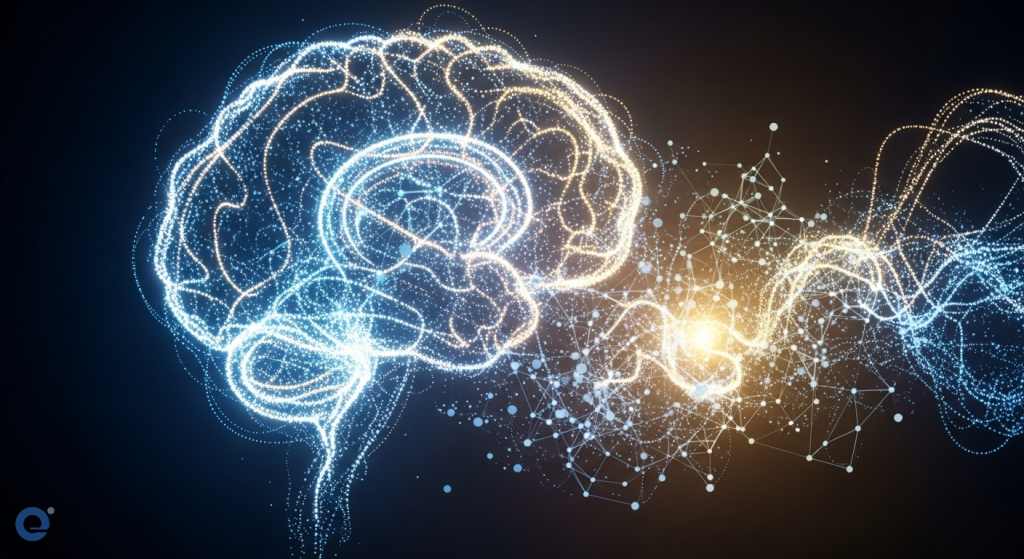
Happiness is a complex emotion. For centuries, people have sought to understand its roots. Modern science is now shedding light on the biological factors that contribute to our overall sense of well-being. Among these, neurotransmitters like dopamine and serotonin play a crucial role. Therefore, understanding their functions can unlock secrets to a happier life.
This article delves into the fascinating science behind happiness. We will explore how dopamine and serotonin influence our moods and how we can support their healthy functioning. Moreover, we will examine the biological underpinnings of happiness. This will help you gain a deeper appreciation for your own emotional landscape.
Understanding the Biological Basis of Happiness
Happiness is not solely a mental state. It has significant biological components. Researchers have long recognized that genetics and brain chemistry play a part. For instance, studies suggest that genetics can influence happiness by as much as 35-50 percent .
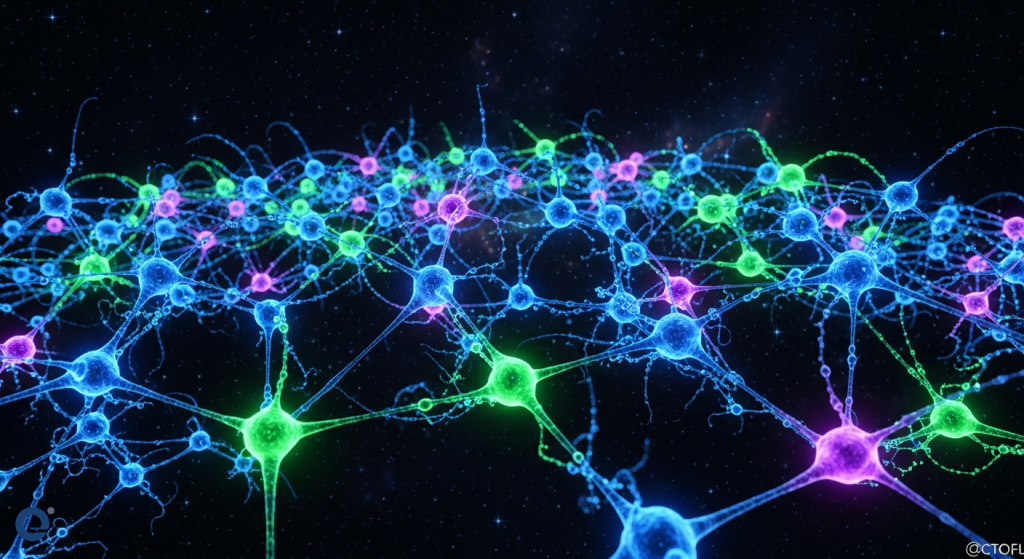
Neuroscience has identified specific brain regions and neurotransmitters involved. These include the amygdala, hippocampus, and limbic system. Furthermore, key neurotransmitters like dopamine and serotonin are vital. They act as chemical messengers, facilitating communication between nerve cells. As a result, they profoundly impact our emotions and behaviors.
The Role of Neurotransmitters
Neurotransmitters are essential for our mental and emotional health. They are chemical substances that transmit signals across nerve synapses. Serotonin and dopamine are two of the most well-known. They are often referred to as the brain’s “chemical messengers of happiness.”
While both contribute to positive feelings, they have distinct roles. Serotonin is primarily known as a mood stabilizer. Dopamine, on the other hand, is the motivator and reward molecule. Understanding their unique functions is key to appreciating their impact on our well-being.
Serotonin: The Mood Stabilizer
Serotonin is often called the “feel-good hormone.” Its primary function is to regulate emotional balance. It helps reduce feelings of sadness, anxiety, and irritability. Therefore, optimal serotonin levels are crucial for maintaining a stable mood.
Beyond mood, serotonin influences several other important bodily processes. It plays a role in healthy sleep cycles by acting as a precursor to melatonin. It also affects appetite and digestion, signaling feelings of fullness. Additionally, serotonin is involved in regulating sexual desire.
How Serotonin Works
Serotonin is produced mainly in the brain and the gut. It is synthesized from an amino acid called tryptophan. Once created, it is either stored or released to transmit signals. Serotonin primarily acts as an inhibitory neurotransmitter. This means it helps calm the brain and promotes emotional stability.
Low levels of serotonin are commonly linked to various mental health challenges. These include depression and anxiety disorders. Sleep disturbances and some gastrointestinal issues can also arise from serotonin imbalance. This highlights its critical role in holistic well-being.
Dopamine: The Motivator and Reward Molecule
Dopamine is known as the “reward molecule.” It drives motivation, focus, and pleasure. This neurotransmitter is central to the brain’s reward system. It is essential for goal-directed behavior and achieving satisfaction.
Dopamine fuels our drive to pursue goals. It encourages action and achievement. When we accomplish something, dopamine provides feelings of satisfaction. It also helps us concentrate and perform tasks effectively. Furthermore, dopamine plays a role in coordinating smooth motor movements.
The Science Behind Dopamine
Dopamine is synthesized from the amino acid tyrosine. It is stored in specialized neurons. Dopamine can act as both an excitatory and inhibitory neurotransmitter, depending on the receptor it binds to. Its influence is significant in circuits related to motivation, reward, and motor control.
Insufficient dopamine levels can lead to a lack of drive and apathy. In more severe cases, it can manifest as physical symptoms like tremors, as seen in Parkinson’s disease. Conversely, excessive dopamine activity is linked to risk-taking behaviors and addiction.
The Interplay: Balancing Serotonin and Dopamine
Achieving optimal mental health is not just about maximizing one neurotransmitter. It is about maintaining a delicate balance between them. Serotonin and dopamine work in tandem to create feelings of happiness and contentment.
When these neurotransmitters are in harmony, we experience mental clarity, emotional stability, and physical vitality. However, an imbalance can lead to various issues. For instance, excess dopamine can result in impulsivity and addictive tendencies. Conversely, deficient serotonin often leads to chronic sadness and anxiety.
Key Brain Areas Involved
Both serotonin and dopamine are active in several key brain regions. The prefrontal cortex, responsible for decision-making and social behaviors, is one such area. They influence how we process emotions and make choices here.
The amygdala, central to emotional processing (especially fear and pleasure), is another critical region. The hippocampus, vital for memory formation and emotional regulation, also benefits from balanced neurotransmitter levels. Additionally, the basal ganglia, essential for movement and reward processing, are heavily influenced by dopamine.
Biological Factors Beyond Neurotransmitters
While dopamine and serotonin are critical, other biological factors also contribute to happiness. These include genetics, physical health, and even morphology.
For example, studies have pointed to the role of hormones like cortisol and adrenaline. These are produced by the adrenal glands and can influence stress levels and mood. Oxytocin, released by the pituitary gland, is often associated with social bonding and feelings of trust.
Physical Health and Well-being
Physical health is undeniably linked to mental well-being. Engaging in regular physical activity can boost mood and reduce stress. A healthy diet provides the necessary building blocks for neurotransmitter production. For instance, foods rich in tryptophan are essential for serotonin synthesis .
Furthermore, sufficient sleep is crucial for emotional regulation. Chronic inflammation can also negatively impact mood. Maintaining good physical health supports a more stable and positive emotional state. This connection underscores the importance of holistic health practices.
Cultivating Happiness Through Lifestyle
While we cannot directly control our neurotransmitter levels, we can influence them through our lifestyle choices. Several natural strategies can help boost serotonin and dopamine production.
Nutrition is a powerful tool. Consuming a balanced diet rich in essential nutrients supports brain health. Exercise is another excellent way to promote the release of endorphins, which can interact with dopamine receptors. Getting enough sunlight and practicing mindfulness can also have positive effects.
Lifestyle Hacks to Boost Serotonin and Dopamine
- Nutrition: Include foods rich in tryptophan (eggs, salmon, nuts, seeds, bananas) and tyrosine (dairy, meat, beans).
- Exercise: Regular physical activity releases endorphins and can positively impact dopamine levels. Consider activities you enjoy to make it sustainable.
- Sunlight Exposure: Spending time outdoors can boost serotonin production.
- Mindfulness and Meditation: These practices can help regulate stress hormones and promote emotional balance.
- Adequate Sleep: Prioritize 7-9 hours of quality sleep per night for optimal brain function and mood regulation.
- Social Connection: Positive social interactions can release oxytocin, which can influence mood and reduce stress.
These simple yet effective strategies can contribute significantly to your overall sense of happiness and well-being. Therefore, incorporating them into your daily routine is a worthwhile endeavor.
The Neuroscience of Gratitude and Kindness
Positive psychology research has also highlighted the impact of practices like gratitude and kindness on brain function. Gratitude, defined as acknowledging good things, activates reward regions in the brain. This enhances feelings of contentment and emotional well-being .
When we experience gratitude, it can change physiological aspects of the brain at the neurotransmitter level. This can lead to increased happiness. Similarly, acts of kindness can activate reward circuits associated with social interaction. These practices strengthen social bonds and improve mood.
Frequently Asked Questions about Happiness and Neurochemistry
What are the main neurotransmitters associated with happiness?
The primary neurotransmitters associated with happiness are dopamine and serotonin. Dopamine is linked to motivation and reward, while serotonin is crucial for mood stabilization.
Can genetics determine my happiness level?
Genetics play a significant role, estimated to influence happiness by 35-50 percent. However, environmental and lifestyle factors also contribute considerably.
How does exercise affect my mood?
Exercise releases endorphins, which have mood-boosting effects. It can also positively influence dopamine levels and reduce stress hormones like cortisol.
Is there a way to naturally increase serotonin?
Yes, you can naturally increase serotonin by consuming foods rich in tryptophan, getting adequate sunlight exposure, exercising regularly, and practicing mindfulness.
What is the difference between serotonin and dopamine?
Serotonin acts as a mood stabilizer, reducing anxiety and sadness. Dopamine drives motivation, pleasure, and reward, encouraging goal-oriented behavior.
Conclusion: Embracing a Biologically Informed Path to Well-being
The science of happiness reveals a complex interplay of biological factors. Neurotransmitters like dopamine and serotonin are fundamental to our emotional experiences. However, genetics, physical health, and lifestyle choices also play vital roles.
By understanding these connections, we can make informed decisions to support our well-being. Embracing a balanced diet, regular exercise, sufficient sleep, and mindful practices can help optimize our brain chemistry. Furthermore, cultivating gratitude and kindness can enhance our overall sense of happiness. Therefore, a proactive approach to health and well-being is key to a more fulfilling life.
Boost happy hormones naturally – Dopamine, Serotonin, oxytocin, Endorphins
<!–
* Post Title: The Science of Happiness: Dopamine, Serotonin, and Well-being
* SEO Title: The Science of Happiness: Dopamine, Serotonin, and Well-being
* Meta Description: Explore the science of happiness, linking dopamine, serotonin, and biological factors to overall well-being. Discover natural ways to boost your mood.
* Keywords: science of happiness, dopamine, serotonin, well-being, positive psychology, neurotransmitters, mental health, mood regulation, biological factors, brain chemistry, lifestyle, gratitude, kindness.
* Author: Charsi Web Application
* Date: 2025-12-25
* Time: 10:00:00 PST
–>
