Veterinary Telemedicine: Bridging Gaps for Rural Pets
Published on December 25, 2025 by Admin

Access to quality veterinary care can be a significant challenge for pet owners and veterinary clinics in rural areas. Long distances to specialized services often mean delayed treatment or difficult choices for pet well-being. However, veterinary telemedicine is emerging as a powerful solution. It brings expert care directly to your doorstep, transforming how we manage our beloved animals’ health.
This article explores how telemedicine is revolutionizing veterinary services for remote communities. We will look at its benefits, how it works, and what the future holds for this innovative approach.
The Growing Need for Rural Veterinary Access
Many rural communities face a shortage of veterinary professionals. This scarcity is particularly acute for specialized care. For example, a pet owner might need to travel hours to reach a veterinary teaching hospital for advanced diagnostics or surgery.
This travel burden is not only time-consuming but also costly. Furthermore, it can be incredibly stressful for both the pet and the owner. The journey itself can exacerbate a pet’s condition or anxiety. Therefore, innovative solutions are crucial to ensure pets in remote areas receive timely and appropriate medical attention.
What is Veterinary Telemedicine?
Veterinary telemedicine involves using technology to provide remote veterinary consultations and care. This includes phone calls, video conferences, and secure messaging between pet owners and veterinarians. It allows for a range of services, from routine check-ups to managing chronic conditions.
Think of it as a virtual vet visit. You can connect with a veterinarian from the comfort of your home. This convenience is a game-changer, especially for those living far from traditional clinics.
Key Benefits for Rural Pet Owners
The advantages of veterinary telemedicine for rural pet owners are numerous. Firstly, it dramatically improves access to care. Pets can receive advice and treatment plans without the need for long travel. This means faster intervention for urgent issues.
Secondly, it significantly reduces stress for pets. Many animals experience fear and anxiety during car rides or in unfamiliar clinic environments. Telemedicine allows veterinarians to assess pets in their natural, relaxed settings. This often leads to more accurate diagnoses. As a result, this approach can prevent minor issues from escalating into emergencies.
Moreover, telemedicine offers substantial time and cost savings. Eliminating travel time and the need to take extended time off work makes veterinary care more manageable. Routine follow-ups and medication management can often be handled remotely, at a lower cost than in-person visits.
Finally, it provides access to specialists. Pet owners in remote areas can connect with veterinary experts across the country. This expertise might have been previously inaccessible due to geographical limitations. This is especially valuable for rare or complex conditions.
How Telemedicine Works for Veterinary Care
The process of veterinary telemedicine is straightforward. Typically, it begins with a pet owner reaching out to a veterinary clinic or a dedicated telemedicine provider. This can be done through a website, app, or by phone.
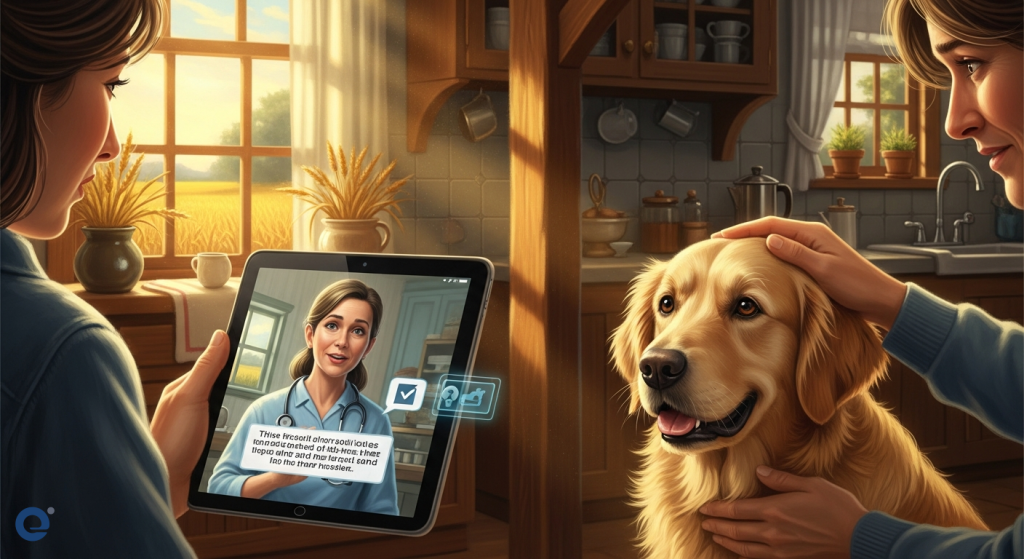
After an initial assessment, a virtual appointment is scheduled. During this appointment, the owner will connect with a veterinarian via video call. They will discuss the pet’s symptoms, medical history, and any concerns. The veterinarian can observe the pet’s behavior and physical condition through the video feed.
Based on this consultation, the veterinarian can offer advice, prescribe medications, or recommend further diagnostic tests. For some situations, the veterinarian may still advise an in-person visit. However, telemedicine can often resolve many common issues remotely. For example, a veterinarian might guide a pet owner through applying topical medication for a minor wound, saving a trip to the clinic. This is especially useful for conditions like hot spots or minor abrasions. A veterinary-approved antibiotic ointment can be prescribed and its application explained, preventing infections.
Some telemedicine platforms also facilitate prescription refills and medication management. This ensures pets with chronic conditions receive continuous care. The convenience of having essential medications managed remotely is a significant benefit. For instance, medications for arthritis or minor pain relief can be prescribed and refilled through these services. This is crucial as human pain relievers can be toxic to pets.
Telemedicine in Action: Real-World Examples
The concept of bringing specialized care to remote areas is not new. The U.S. Department of Veterans Affairs (VA) has been a pioneer in telehealth. Their extensive network serves nearly 9 million veterans, many of whom live in remote locations. The VA offers various remote access solutions, including at-home virtual care and real-time video access to specialists from community clinics. Their Tele-ICU program even extends specialty provider access to local intensive care units. These innovations improve the veteran care experience by reducing hospital stays and travel, allowing patients to remain independent at home. This integrated health care system demonstrates the power of technology in reaching underserved populations.
Philips, a global health technology company, is also actively involved in extending care to remote regions. They have developed “Virtual Care Stations.” These are telehealth environments located in convenient neighborhood spots like libraries or veteran service organizations. These stations are equipped with specialized technology and staff, connecting patients to regional medical centers. This model is based on technology developed for the VA’s telehealth program. It aims to provide an enhanced telehealth experience in accessible community locations. Philips also partners with organizations to bring portable diagnostic tools, like ultrasounds, to remote communities, training local clinicians to use them effectively.
Auburn University’s Rural Health Initiative is another example. Supported by Auburn Outreach and the Alabama Cooperative Extension System, this program aims to enhance health and wellness services in rural Alabama. Telehealth is a key component, emphasizing substance use disorder treatment, mental health, and primary care. They utilize healthcare stations and telehealth carts across various sites. Furthermore, colleges like veterinary medicine contribute their expertise to face-to-face community service, ensuring a comprehensive approach to health issues. This initiative highlights a multi-disciplinary effort to build resilient rural communities.
Challenges and Considerations for Rural Telemedicine
Despite its many advantages, veterinary telemedicine faces some challenges in rural areas. Reliable internet access is a primary concern. Without a stable connection, video consultations can be difficult or impossible. This digital divide can limit the effectiveness of telemedicine for some households.
Furthermore, not all veterinary conditions can be treated remotely. Diagnosing and treating emergencies, performing surgery, or administering certain treatments still require in-person visits. Veterinarians must be adept at identifying when a situation necessitates a physical examination. They also need to clearly communicate these limitations to pet owners.
Privacy and security are also important considerations. Pet owners need assurance that their personal and their pet’s health information is protected during virtual consultations. Reputable telemedicine platforms employ robust security measures to safeguard data. Regulatory frameworks are evolving to ensure the safe and effective practice of telemedicine.
The Role of Vet Clinics in Telemedicine
For rural vet clinics, telemedicine presents an opportunity to expand their reach and services. By adopting telemedicine platforms, clinics can offer consultations to existing clients who may be far away or unable to travel. This can improve client retention and satisfaction.
Telemedicine can also help clinics manage their workload more efficiently. Routine follow-ups or minor concerns can be addressed virtually, freeing up in-clinic appointments for more critical cases. This is particularly beneficial in areas with a shortage of veterinary staff.
Moreover, it allows clinics to offer specialized services that they might not have in-house. By partnering with remote specialists, rural clinics can provide a higher level of care to their patients. This collaborative approach strengthens the entire veterinary network.
Future Innovations in Pet Telehealth
The field of pet telehealth is rapidly evolving. Future innovations promise even more advanced remote care solutions. Wearable monitoring devices for pets are becoming more sophisticated. These devices can track vital signs, activity levels, and even detect early signs of illness. This data can be shared with veterinarians in real-time, enabling proactive care.
AI-assisted diagnostics are also on the horizon. Artificial intelligence can help analyze medical images, identify patterns in patient data, and even assist in diagnosing conditions. This technology could augment the capabilities of veterinarians, especially in remote settings. These advancements will further enhance the convenience and quality of remote pet care.
The integration of telemedicine with other digital health tools will create a more comprehensive and connected approach to pet wellness. This could include everything from advanced diagnostic tools to personalized nutrition plans delivered remotely.
Frequently Asked Questions About Veterinary Telemedicine
Can all pet health issues be treated with telemedicine?
No, not all issues can be treated with telemedicine. Emergencies, conditions requiring surgery, or those needing hands-on diagnostics and treatment will still require an in-person visit to a veterinary clinic. Telemedicine is best suited for follow-up care, chronic condition management, and initial consultations for non-emergency situations.
What kind of technology do I need for a telemedicine appointment?
You will typically need a device with a camera and microphone, such as a smartphone, tablet, or computer. A stable internet connection is also essential for a clear video and audio experience.
How do veterinarians prescribe medication remotely?
Veterinarians can prescribe medications remotely if they have established a valid veterinarian-client-patient relationship (VCPR). This often requires a prior in-person examination or a thorough telemedicine consultation. Prescriptions are then sent electronically to a pharmacy.
Is telemedicine covered by pet insurance?
Coverage varies by pet insurance provider and policy. Many insurers are increasingly including telemedicine as a covered service, but it’s always best to check with your specific insurance provider for details.
What if my pet needs immediate emergency care?
In case of an emergency, you should call your local emergency veterinary clinic or go to the nearest emergency animal hospital immediately. Telemedicine is not designed for emergency situations.
Conclusion
Veterinary telemedicine is a transformative force for rural pet owners and veterinary clinics. It breaks down geographical barriers, providing enhanced access to expert care and improving the well-being of our animal companions. While challenges like internet connectivity exist, the benefits of convenience, reduced stress, and specialized access are undeniable.
As technology continues to advance, telemedicine will play an even more critical role in ensuring that all pets, regardless of their location, receive the best possible veterinary care. Embracing these innovations is key to a healthier future for our furry family members.