Noise Pollution’s Silent Siege on Wildlife Breeding & Survival
Published on December 26, 2025 by Admin
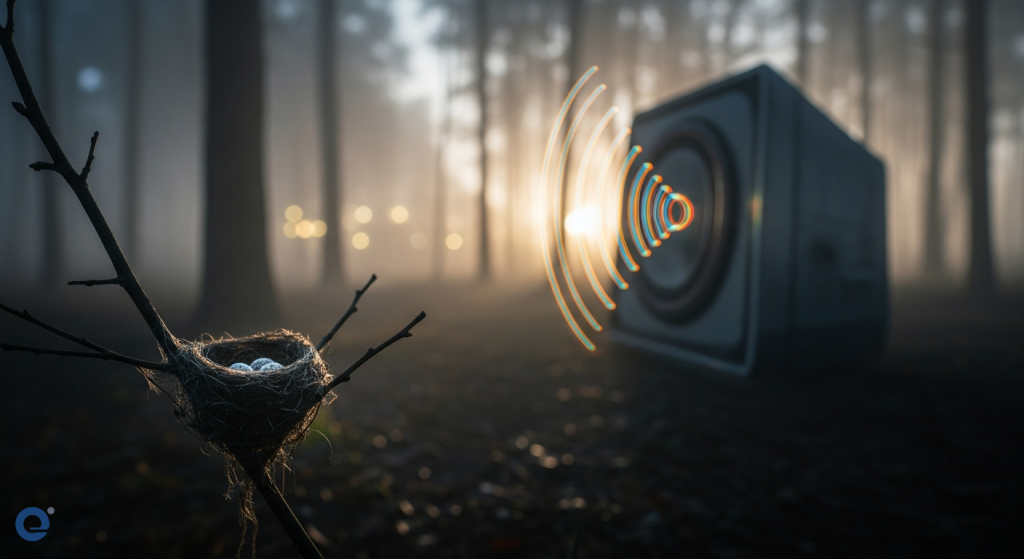
Noise pollution is a pervasive global issue. It affects not only humans but also wildlife. This invisible pollutant impacts animals’ lives in profound ways. Many species rely on sound for survival. Excessive noise can disrupt their daily activities. It can also interfere with reproduction and raise mortality rates. This article explores how chronic noise pollution impacts wildlife breeding and survival.
The Growing Threat of Anthropogenic Noise
Since the Industrial Revolution, human activities have increased noise levels significantly. This is true for both land and water environments. Vehicular traffic, air and sea transportation, and industrial development all contribute. As a result, noise pollution has expanded its geographical reach. For instance, even protected areas are experiencing elevated sound levels. This increase in noise poses a serious threat to wildlife. It can act as a selective force, reshaping animal communities.
Noise is a unique pollutant because it does not persist long-term. This was evident during COVID-19 lockdowns. Global quieting occurred as human activities decreased. This suggests that mitigation measures can be effective. However, the recovery time for wildlife depends on how noise affects their behavior and physiology. Understanding these mechanisms is crucial for effective conservation efforts.
How Noise Disrupts Wildlife Behavior and Physiology
Anthropogenic noise interferes with crucial biological functions for many species. For example, it can mask important sounds. Animals use these sounds for communication, navigation, and predator detection. Noise can also impact foraging performance. This leads to more errors in handling food and discriminating between food items.
Furthermore, noise pollution can directly deter wildlife from important areas. This includes feeding grounds and breeding sites. These disruptions can have cascading effects throughout an ecosystem. The impacts span across various species groups.
Impacts on Terrestrial Wildlife
On land, transportation noise is a major contributor. This includes noise from roads, railways, and aircraft. As human activities expand, these effects become more pronounced. Many species rely on sound for vital functions. These include communication, navigation, and predator avoidance. Noise can disrupt these activities. This leads to changes in foraging, mating, and territorial behaviors.
Chronic noise exposure also causes physiological stress in animals. This stress can manifest as elevated heart rates and altered hormone levels. It can also weaken immune responses. These physiological changes can negatively impact an animal’s overall health and fitness. Moreover, noise pollution can alter habitat use. Animals may avoid otherwise suitable habitats. This can lead to shifts in species distribution. Some species might be forced into less optimal areas. This directly affects their survival and reproductive success.
Impacts on Aquatic Wildlife
Underwater noise pollution is also a significant concern. Shipping, offshore construction, and marine exploration generate considerable noise. Marine mammals, like whales and dolphins, are particularly vulnerable. They rely heavily on sound for communication and navigation. Underwater noise can mask these vital sounds. This can lead to increased stranding incidents. It also disrupts their breeding patterns. For instance, noise from deep-sea mining is a threat to endangered species like beaked whales.
In aquatic experiments, noise has been shown to alter animal behavior. This includes altered swimming patterns and shallower descents. Less foraging activity is also observed. Animals may exhibit escape reactions due to fear of perceived threats, such as cetaceans or fish.
Specific Effects on Breeding and Reproduction
Noise pollution poses a direct threat to wildlife reproduction. It can interfere with mating calls and other reproductive behaviors. This interference can lead to reduced reproductive success. For example, birds that use songs to attract mates may struggle to communicate effectively in noisy environments. This makes it harder for them to find partners and breed.
The disruption of crucial breeding behaviors can have long-term consequences. It can lead to decreased population sizes. In some cases, it can threaten the survival of entire species. This is particularly true for species that are already endangered or have specific breeding requirements.
Neurobehavioral Alterations and Cognitive Impacts
Noise exposure can cause significant neurobehavioral changes in animals. These changes affect their cognitive abilities and overall behavior. Studies have investigated these effects across various species.
- Small Mammals: Laboratory studies on small mammals have revealed spatio-temporal cognitive alterations. They also show memory loss due to noise exposure.
- Birds: In birds, alterations in foraging, vocalizations, and nest-building behaviors have been noted.
- Marine Life: For marine animals, repercussions include altered swimming, shallower descents, and reduced foraging. An escape reaction is also common.
These neurobehavioral changes can impact an animal’s ability to survive and reproduce. They can also affect how animals interact with their environment and with each other.
Impact on Endangered Species
Endangered species are often more vulnerable to noise pollution. This is due to their specialized needs and existing population pressures. For example, marine mammals rely heavily on sound. Noise pollution can mask their communication signals. This can lead to confusion, disorientation, and increased stress. It directly threatens their breeding success and survival rates.
The impact on endangered species is a critical concern. Efforts to mitigate noise pollution are vital for their conservation. This is especially true for species facing multiple threats.
Cascading Effects on Ecosystems and Human Well-being
The disruption of wildlife by noise pollution has broader ecological consequences. Displaced wildlife can lead to imbalances in local ecosystems. This affects everything from pest control to plant pollination. For example, pollinators like bees and bats are sensitive to noise. Their decline can lead to reduced crop yields, impacting food security. This highlights the interconnectedness of wildlife health and human well-being.
Furthermore, increased human-wildlife conflicts can occur. As animals seek quieter environments, they may encroach on human habitats. This can lead to increased competition for resources and potential dangers for both humans and animals.
The mental health of communities living near noisy operations can also be affected. Increased stress and related health problems are common. Therefore, addressing noise pollution benefits both wildlife and humans.
Mitigation Strategies and Future Directions
Mitigating the effects of noise pollution requires a multi-faceted approach. Understanding the specific impacts on different species and ecosystems is key. This knowledge can inform targeted conservation strategies.
Here are some potential mitigation strategies:
- Reducing Noise Sources: Implementing quieter technologies and practices in transportation, industry, and construction.
- Creating Quiet Zones: Designating and protecting areas with low noise levels for wildlife.
- Urban Planning: Incorporating noise reduction measures into urban development and infrastructure projects.
- Policy and Regulation: Developing and enforcing stricter noise regulations. This includes specific measures for protecting wildlife habitats.
- Public Awareness: Educating the public about the impacts of noise pollution and promoting responsible behavior.
Research into the long-term community-level impacts of chronic noise is still needed. Logistically complex and financially expensive studies are required. Identifying knowledge gaps and developing approaches to address them is essential. This will help in creating effective roadmaps for mitigating the effects of a noisy world. By understanding and addressing these challenges, we can work towards a more sustainable coexistence between human activities and wildlife.
Frequently Asked Questions
What is anthropogenic noise?
Anthropogenic noise refers to any sound emitted by human activities that can have detrimental effects on the health and comfort of people and animals, natural resources, and the ecological balance of an area. This includes noise from transportation, industry, and urban development.
How does noise pollution affect animal reproduction?
Noise pollution can interfere with crucial reproductive behaviors, such as mating calls. This can lead to reduced reproductive success. For example, birds may struggle to attract mates in noisy environments. This directly impacts breeding rates and population growth.
Are marine animals more affected by noise than terrestrial animals?
Both terrestrial and marine animals are significantly affected by noise pollution. However, marine animals, especially vocal species like whales and dolphins, are highly dependent on sound for survival and communication. Underwater noise can mask these vital sounds, leading to severe consequences such as disorientation, stranding, and disrupted breeding patterns.
Can noise pollution impact an animal’s ability to find food?
Yes, noise pollution can affect foraging performance. It can lead to more errors in food handling and discrimination. Animals may also be deterred from important feeding areas due to excessive noise, impacting their nutritional intake and survival.
What are some examples of mitigation strategies for noise pollution impacting wildlife?
Mitigation strategies include reducing noise sources through quieter technologies, creating protected quiet zones for wildlife, implementing noise reduction measures in urban planning, and enforcing stricter noise regulations. Public awareness campaigns are also crucial.