
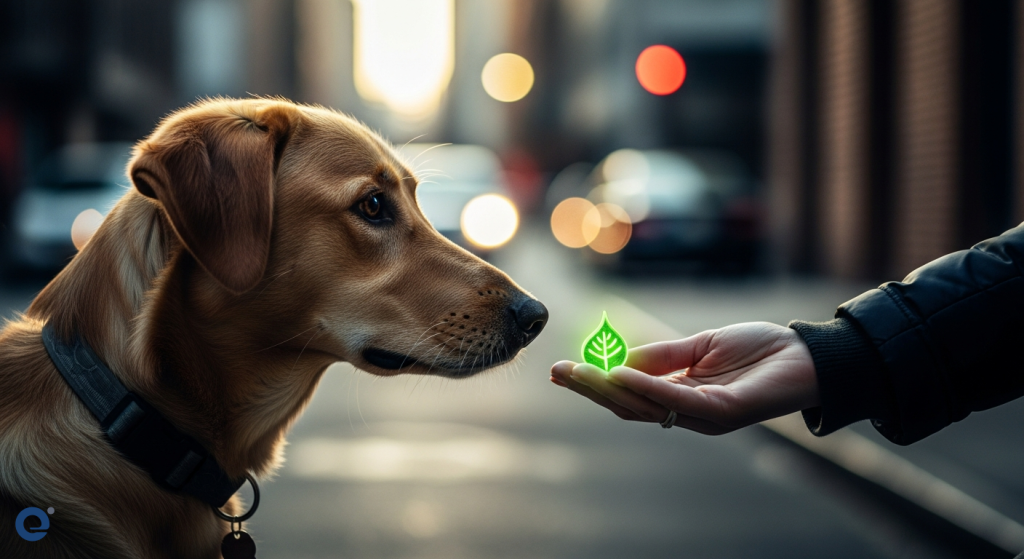
Living in a bustling city offers many conveniences for pet owners. However, urban environments also present unique challenges for our beloved domestic animals. From the air they breathe to the ground they walk on, city dwellers’ pets can be exposed to a range of environmental toxins. Therefore, understanding these risks is crucial for both pet owners and urban planners. This article explores the common urban environmental toxins affecting pets and offers practical solutions for protection.
The Invisible Dangers: What Pets Face in the City
Urban environments are complex ecosystems. They are a mix of natural elements and human-made structures. This blend can create pathways for various pollutants to reach our pets. Nonpoint source pollution, for instance, is a significant concern. This type of pollution comes from many diffuse sources, not just one single outlet. It results from land runoff, precipitation, and atmospheric deposition. As rain or snowmelt moves across the ground, it picks up pollutants. These can include excess fertilizers, pesticides, oil, grease, and chemicals. Ultimately, this runoff can end up in lakes, rivers, and wetlands, impacting wildlife and potentially our pets too.
Furthermore, urban runoff carries pollutants directly into storm drains. These drains often lead straight to local waterways. Keeping litter, pet waste, and debris out of street gutters is therefore essential. These simple actions can prevent a cascade of environmental harm. For pet owners, this means being mindful of where their pets walk and what they might ingest.
Common Urban Toxins and Their Sources
Many everyday urban elements can pose a threat. Oil, grease, and toxic chemicals often enter waterways through urban runoff. These substances can originate from vehicle leaks, industrial discharge, and improper disposal of household chemicals. Even seemingly harmless items like lawn chemicals can be detrimental. Excess fertilizers, herbicides, and insecticides applied in residential areas contribute to water pollution.
Sediment from construction sites is another issue. Improperly managed sites release soil into storm drains. This can smother aquatic life and degrade water quality. Salt used for de-icing roads in winter can also be harmful. It can contaminate soil and water sources, affecting plant life and animal health.
Pet waste itself can be a source of bacteria and nutrients. When not properly disposed of, it can pollute local water bodies. Faulty septic systems also contribute to nutrient and bacteria pollution.

Specific Threats to Canine and Feline Companions
Dogs, in particular, are at higher risk due to their habits. They often sniff and lick surfaces, ingesting whatever they find. Pavement can absorb and retain heat, but also pollutants. Antifreeze, for example, is sweet-tasting and highly toxic. Spilled brake fluid and oil are also significant hazards. Cleaning up spills promptly is vital. Never hose them into the street, as they will eventually reach local streams and lakes.
Cats, especially those with outdoor access, face their own set of dangers. Uncontrolled outdoor access is associated with risks like disease, parasites, and injury from traffic. Furthermore, cats can ingest toxic substances from their environment. This might include rodenticides used in urban pest control or plants containing toxins. Ingestion of toxic substances is a significant concern for feline welfare.
Perfluoroalkyl Substances (PFASs): The Persistent Pollutants
A more insidious threat in urban environments comes from chemicals like Perfluoroalkyl Substances (PFASs). These are man-made chemicals found in many common products. Think of non-stick cookware, waterproof jackets, food packaging, and fire-fighting foams. PFASs are extremely persistent. They do not break down easily in the environment. This means they can accumulate in organisms over time, including in the bodies of pets.
PFASs are present in water, soil, and wildlife. They can be harmful to vertebrates like fish, birds, and mammals. Studies suggest that some PFASs are so widespread they can be found in the blood and organs of humans and animals. While research on the exact toxic effects on pets is ongoing, laboratory animal studies indicate potential issues with development, reproduction, and immune response. Some PFASs are also considered potential carcinogens.
Protecting Your Pet: Practical Steps for City Dwellers
Fortunately, there are many proactive steps pet owners can take. Firstly, be vigilant about your pet’s surroundings. During walks, try to steer your pet away from areas with visible spills or debris. Regularly cleaning your pet’s paws after walks can remove absorbed toxins. Consider using pet-safe cleaning wipes.
For cats, providing ample indoor enrichment can reduce the perceived need for outdoor access. This includes climbing structures, interactive toys, and safe spaces. If your cat does go outdoors, supervised and controlled access is preferable. This minimizes exposure to environmental hazards.
Home Environment Safety
Your home can also be a source of toxins. Ensure all cleaning products are stored safely and out of reach. When cleaning, opt for pet-safe or natural alternatives. Be mindful of houseplants; some are toxic to pets. Research any new plants before bringing them into your home.
Proper disposal of household chemicals is also crucial. Never pour paints, oils, or antifreeze down storm drains. Look for local household hazardous waste collection programs. If your community doesn’t have one, advocate for its establishment. Purchasing low-phosphorus detergents can also help reduce nutrient pollution in local waterways.
Dietary Considerations
A healthy diet can bolster your pet’s resilience. Ensure your pet receives a balanced diet. Some research suggests that certain dietary components might help pets process or excrete toxins more effectively, though specific recommendations require veterinary consultation. Always consult your veterinarian before making significant changes to your pet’s diet.
For example, understanding the role of the gut microbiome in overall health can be beneficial. A healthy gut can play a role in nutrient absorption and waste processing. Similarly, maintaining optimal hydration is key for flushing toxins from the body.
The Role of Urban Planning in Pet Safety
Urban planners have a significant role in creating healthier environments for all residents, including pets. Implementing low-impact development strategies can significantly reduce urban runoff. This includes using permeable pavements, green roofs, and rain gardens. These features help filter pollutants before they enter waterways.
Better management of construction sites is also essential. Enforcing strict erosion and sediment control ordinances can prevent soil contamination. Municipalities can also establish more robust programs for collecting and disposing of household hazardous wastes. Public awareness campaigns about responsible pet waste disposal are also vital.
Green Spaces and Pet Well-being
Increasing and maintaining green spaces in cities is beneficial. Parks and natural areas offer pets a respite from concrete and asphalt. They also provide opportunities for exercise and natural behaviors. However, it’s important to ensure these green spaces are maintained without excessive use of pesticides and herbicides. These chemicals can pose a risk to pets that frequent these areas.
Consider the impact of industrial animal agriculture on the environment. While not directly in urban backyards, the broader environmental consequences of factory farming can contribute to pollution that eventually affects all ecosystems. The waste from these operations can pollute water sources and contribute to harmful algal blooms, which can be toxic to pets.
Addressing Specific Urban Challenges
Vehicle emissions are a constant source of air pollution in cities. While direct impacts on pets are still being researched, long-term exposure to air pollutants can potentially affect respiratory health. Ensuring pets have access to clean air indoors and limiting strenuous outdoor activity during peak pollution times can be helpful.
The use of road salt in winter is another major concern. It can irritate paw pads and be ingested by pets. If possible, opt for pet-safe de-icing alternatives. Thoroughly washing your pet’s paws after walks on salted surfaces is also recommended.
Frequently Asked Questions
What are the most common toxins pets encounter in cities?
Common urban toxins include antifreeze, oil, grease, pesticides, herbicides, fertilizers, road salt, heavy metals from vehicle emissions, and persistent chemicals like PFASs. Pet waste and improperly disposed household chemicals also contribute to pollution.
How can I protect my dog’s paws from urban toxins?
Regularly clean your dog’s paws after walks with pet-safe wipes or a gentle rinse. Avoid walking on treated surfaces during or immediately after chemical application. Consider pet booties for added protection, especially during winter salt application.
Are indoor plants safe for cats and dogs?
Not all indoor plants are safe. Many common houseplants are toxic to pets. It’s essential to research the toxicity of any plant before bringing it into your home. Consult a veterinarian or reliable pet poison control resources for a list of safe and toxic plants.
What is nonpoint source pollution, and how does it affect pets?
Nonpoint source pollution comes from diffuse sources like rain runoff picking up pollutants from yards, streets, and farms. For pets, it means they can be exposed to a wide array of contaminants that wash into their environment, including drinking water sources, and can be ingested through licking or direct contact.
How can urban planning improve pet safety from toxins?
Urban planning can improve pet safety by implementing green infrastructure like permeable pavements and rain gardens to manage runoff. It also involves better regulation of construction sites, promoting responsible waste management, and increasing safe green spaces that are maintained with fewer chemicals.
Conclusion
Protecting our domestic animals from urban environmental toxins is a shared responsibility. Pet owners must be informed and proactive in their daily choices. Urban planners must prioritize creating healthier, safer environments. By understanding the risks and implementing preventative measures, we can ensure our city-dwelling companions live healthier, happier lives, free from the unseen dangers of their urban surroundings. Continued research and community engagement are key to mitigating these pervasive threats.
