
Biohacking Fundamentals: Tools for Self-Improvement
Published on December 31, 2025 by Admin
Biohacking is a burgeoning field. It bridges self-tracking with alternative health cultures. Ultimately, it aims for personal enhancement. Many seek to improve their overall quality of life. This often involves making incremental changes. These changes affect one’s body, diet, and lifestyle. The goal is to boost health and well-being. It’s also known as human enhancement. Biohacking can range widely. Some efforts focus on improving brain function. Others aim for faster weight loss. Some undertakings are relatively safe. Others may pose health risks. Results can also vary greatly. This article explores biohacking fundamentals. We will discuss practical tools for self-improvement. We will also look at health tracking innovations. Let’s dive into this exciting frontier.
Understanding Biohacking: A DIY Approach to Health
At its core, biohacking is a do-it-yourself (DIY) form of personal improvement. People attempt to alter their biology. The purpose is to enhance health, performance, or well-being. It’s not a formal scientific term. Rather, it’s a popular umbrella term. It covers a broad range of activities. People engage in biohacking for several reasons. They might want to fix perceived flaws. They may seek to increase control over their health. Some even aim to extend their lives.
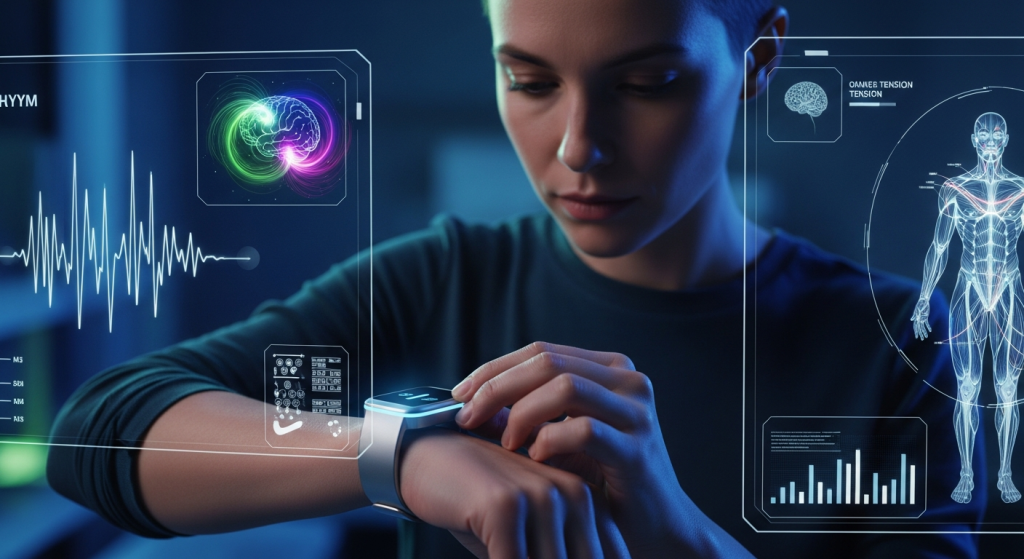
Technology plays a huge role. Wearable devices are a prime example. Smartwatches and fitness trackers provide data. This data allows users to analyze their bodies. They can then try to improve performance. This data-driven approach is a key aspect of modern biohacking. It offers a tangible way to measure progress. It also helps identify areas for adjustment. Therefore, understanding these tools is crucial.
The Convergence of Self-Tracking and Health
Biohacking represents a nascent convergence. It blends self-tracking with alternative health practices. Self-tracking involves monitoring personal data. This data can include sleep patterns, activity levels, and diet. When combined with biohacking, this data becomes actionable. It informs personalized interventions. These interventions aim to optimize health outcomes.
Early detection of health issues is a major benefit. Self-monitoring can lead to timely interventions. This proactive approach is a cornerstone of preventive medicine. It empowers individuals to take charge of their health. It moves beyond reactive treatment. Moreover, it fosters a deeper understanding of one’s own body. This understanding is vital for sustained self-improvement.
Practical Tools for Biohacking and Self-Improvement
Biohacking encompasses a variety of practices. Some are well-established. Others are more experimental. Let’s explore some of the most popular types.
Wearable Technology: Your Personal Data Hub
Wearable tech is ubiquitous. Smartwatches, fitness bands, and even smart rings are common. These devices track many aspects of health. They monitor heart rate, sleep quality, and activity levels. They can also track reproductive health cycles. People use this data to make improvements. They set fitness and health goals. The data provides feedback. This feedback loop is essential for biohacking.
Wearables are key tools for personalized medicine. They enable a more digital approach to health. They also support a preventive strategy. However, challenges exist. Data quality is a significant concern. Interoperability between devices is also an issue. Health equity and fairness are important considerations too. For instance, the functions of wearables include monitoring, screening, detection, and prediction. These functions are vital for digital health.
The COVID-19 pandemic highlighted the use of wearables. They were used for biomedical research. They also played a role in clinical care. This shows their potential in a crisis. As a result, discussions around their ethical and social impact are ongoing.
Nootropics: Enhancing Cognitive Function
Nootropics are often called “smart drugs.” They are a popular form of biohacking. Non-prescription nootropics come in various forms. These include tablets, supplements, drinks, and foods. Manufacturers claim they boost brain performance. Common examples include creatine and caffeine. These are readily available.
It’s important to distinguish these from prescription drugs. Prescription nootropics are medications. Doctors prescribe them for conditions like Alzheimer’s or ADHD. Examples include methylphenidate (Ritalin) and Adderall. These should only be taken as directed by a doctor. Prescription stimulants have side effects. Misuse can be dangerous. Research indicates that non-medical use increases risks. These risks include anxiety and other drug use.
Fasting: A Time-Tested Practice
Fasting is an ancient practice. People have fasted for millennia. In recent times, it has gained popularity in biohacking circles. This is often due to a perceived ability to “reset” metabolic states. There are several evidence-based benefits to fasting. These include promoting weight management. Fasting may also lower diabetes risk. It can also improve heart health.
Various fasting methods exist. Intermittent fasting is one popular approach. It involves cycling between periods of eating and voluntary fasting. Another is extended fasting, lasting longer periods. Each method has its own protocol. It is always wise to consult a healthcare professional. This is especially true before starting any new fasting regimen.
DIY Biology and Nutrigenomics
DIY biology, or garage biology, involves sharing scientific techniques. Experts share biohacking methods with non-experts. This allows for self-experimentation outside traditional labs. It fosters a spirit of citizen science. Fields like microbiology, nutrition, and synthetic biology are included.
Nutrigenomics is another facet. It explores the interaction between food and genes. It also examines how genes influence the body’s response to nutrients. This personalized approach to nutrition is a key biohacking trend. Understanding your genetic makeup can inform dietary choices. It allows for tailored eating plans. This can optimize health and well-being.
The Role of Health Tracking in Self-Improvement
Health tracking is central to biohacking. It provides the data needed for informed decisions. Early detection of health issues is a major outcome. This leads to timely interventions.
Monitoring, Screening, Detection, and Prediction
Wearable devices and other tools perform specific functions. These include:
- Monitoring: Continuous observation of physiological data.
- Screening: Identifying potential health risks or conditions.
- Detection: Pinpointing the presence of specific health issues.
- Prediction: Forecasting future health events based on current data.
These functions are crucial for a more personalized and preventive approach to medicine. For example, tracking glucose levels can help predict diabetic events. Similarly, sleep monitoring can flag potential sleep disorders.
Challenges in Health Tracking Data
Despite the benefits, challenges remain. Data quality is paramount. Inaccurate data leads to flawed conclusions. Balanced estimations are also difficult to achieve. Health equity and fairness are critical. Not everyone has equal access to these technologies. This can exacerbate existing health disparities.
Interoperability is another hurdle. Devices and platforms need to communicate. Local standards of quality are needed. Access to these tools must be broadened. Representativity in data collection is also important. This ensures that findings are applicable to diverse populations.
Beyond Individual Optimization: Collective Well-being
While biohacking often focuses on individual enhancement, some perspectives emphasize collective well-being. For instance, a society designed for collective well-being can foster individual thriving. This contrasts with a focus solely on individual hustle.
Consider urban design. Cities with robust public transport. They offer safe cycling infrastructure. They also provide ample green spaces. These factors contribute to overall health. This approach optimizes society, not just individuals. The Netherlands is often cited as an example. They prioritize collective infrastructure. This leads to better health outcomes. These include higher life expectancy and lower healthcare costs.
This perspective suggests that systemic improvements can have a profound impact. They can make healthy living the default. It’s about creating an environment where wellness is inevitable. This involves building systems, not just selling individual solutions. This mirrors the idea that soil health is human health, emphasizing interconnectedness. The critical link to nutrient density in food is a prime example of this interconnectedness.
Frequently Asked Questions about Biohacking
What is the primary goal of biohacking?
The primary goal of biohacking is to improve one’s health, performance, or well-being. It involves making changes to one’s body, diet, and lifestyle. This is often achieved through a DIY approach.
Are biohacking tools safe?
The safety of biohacking tools varies. Some, like wearable devices and established fasting practices, are generally considered safe when used appropriately. However, others, particularly those involving prescription medications or experimental technologies, can pose health risks. It is always advisable to consult with a healthcare professional before starting any new biohacking regimen.
What are some common biohacking practices?
Common biohacking practices include using wearable technology for health tracking, taking nootropics to enhance cognitive function, engaging in various forms of fasting, and exploring DIY biology and nutrigenomics.
How does health tracking contribute to biohacking?
Health tracking provides essential data. This data allows biohackers to monitor their progress. It helps them identify areas for improvement. It also enables early detection of health issues, leading to timely interventions.
Is biohacking only about individual optimization?
While individual optimization is a major focus, some perspectives highlight the importance of collective well-being. Creating environments that promote health for everyone can lead to better overall outcomes, as seen in cities that prioritize public health infrastructure.
Conclusion: Embracing a Data-Driven Path to Health
Biohacking offers a compelling path. It’s a path for self-improvement and better health. By leveraging practical tools like wearables and understanding data, individuals can gain insights. These insights empower them to make informed choices. They can optimize their diet, sleep, and activity.
However, it’s crucial to approach biohacking with a balanced perspective. Consider the ethical implications. Be mindful of data privacy. Always prioritize safety. Consulting with healthcare professionals is recommended. As the field evolves, the integration of individual efforts with collective well-being will be key. This holistic approach promises a future of enhanced health for all.
