
Climate Refugees: Tracking Plant Migration Amidst Warming
Published on December 31, 2025 by Admin
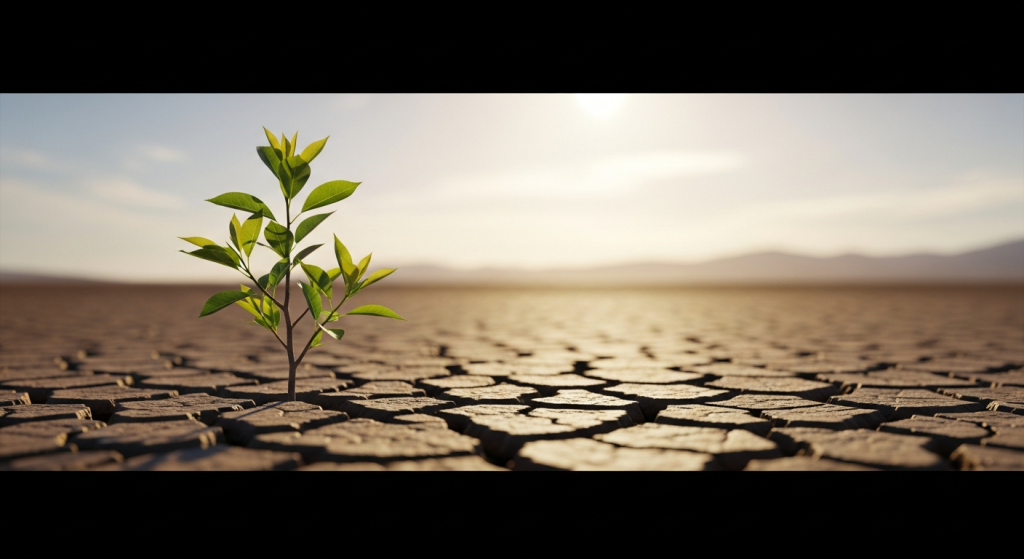
Climate change is reshaping our planet. As global temperatures rise, so too do the challenges for ecosystems and the species within them. One significant, yet often overlooked, consequence is the forced migration of plant species. This article explores how warming temperatures are driving plants to seek new habitats, akin to climate refugees, and what this means for biodiversity and conservation efforts.
The Unseen Exodus: Plants on the Move
Greenhouse gas emissions, primarily from human activities, are accelerating global warming. This leads to higher temperatures, more extreme weather, and rising sea levels. Consequently, many ecosystems are struggling to adapt. For plants, this means their traditional habitats may no longer be suitable for survival. They are, in essence, being pushed out of their homes by environmental changes they did not cause.
The average temperature across the United States has risen significantly. Since the early 20th century, it has increased by approximately 0.16°F per decade. More alarmingly, this rate has accelerated to between 0.31 and 0.54°F per decade since the 1970s. Some regions, like the Northeast, have experienced even greater warming. In New York, for example, statewide average temperatures have risen by 3°F since 1970. Projections suggest a further rise of up to 3°F by 2080. This warming trend is already impacting New York’s communities and ecosystems, threatening native plant and wildlife populations, especially in higher elevations. As temperatures increase, these species are compelled to extend their range northward.
Why Plants Migrate: A Matter of Survival
Plants are sessile organisms, meaning they cannot simply pick up and move. However, they have evolved mechanisms for dispersal, such as seeds carried by wind, water, or animals. Climate change is altering the environmental conditions that dictate where these dispersal mechanisms can be successful. Species that cannot adapt or disperse quickly enough face decline or extinction.
The core driver for plant migration is the shift in suitable climatic envelopes. As temperatures rise, the optimal temperature range for a species may move to higher latitudes or altitudes. For instance, winters are warming faster than other seasons in the northeastern U.S. Warmer winters bring more rain and less snow, reducing snow cover that insulates certain plants. Less snowmelt can also lead to drier summer soil, increasing wildfire risk. These changing conditions can directly impact plant survival and reproduction.
Shifting Seasons, Shifting Lives
The timing of seasonal events, known as phenology, is crucial for plant life cycles. Warmer winters and earlier springs disrupt these natural rhythms. For example, the transition from winter to spring is occurring earlier. This impacts the blooming times of trees and flowers, which are critical food sources for migrating and hibernating wildlife. In agriculture, an extended growing season can be a double-edged sword, potentially favoring invasive species and increasing the need for irrigation. For commercially important crops like maple syrup, predicting the right time for tapping trees becomes increasingly difficult.
Furthermore, warmer winters can expand the range and population of invasive insect species. Pests like the emerald ash borer and southern pine beetle can cause significant damage to native vegetation. This creates a cascading effect, weakening forests and making them more susceptible to other threats.
Tracking the Movement: Scientific Approaches
Understanding plant migration requires sophisticated research methods. Scientists use various techniques to track these subtle yet critical shifts. These include field observations, remote sensing, and ecological modeling.
Ecological Modeling and Predictive Analysis
Ecological models are powerful tools for predicting how plant species might respond to future climate scenarios. By analyzing a species’ current distribution, its physiological requirements, and projected climate changes, researchers can forecast potential shifts in its range. These models help identify areas where species might thrive in the future and where they might face increased pressure.
Studies have aimed to understand how warmer climatic conditions affect vascular plant species composition and the magnitude and rate of their migration. Research has investigated the upward migration of vascular plants following climate warming. These studies are vital for informing conservation strategies and land-use planning.
The Role of Biodiversity and Ecosystem Health
Plant migration has profound implications for biodiversity. As species move, they interact with new communities of plants, animals, and microbes. This can lead to novel ecological relationships, competition, and even the displacement of native species. The loss of specific plant species from an area can disrupt food webs and impact other organisms that depend on them.
Climate change is a major threat to biodiversity. Marked increases in natural disasters, sea-level rise, and decreased crop productivity are direct consequences. Loss of biodiversity is a significant consequence of climate change, affecting both human well-being and the sustainability of life on Earth. Mitigating these impacts requires significant reductions in greenhouse gas emissions and increased forest cover.
Challenges for Conservation and Management
Conserving plant species in the face of climate-driven migration presents unique challenges. Traditional conservation approaches often focus on protecting existing habitats. However, as species move, these protected areas may become less suitable for them over time.
Adapting Conservation Strategies
Conservationists must consider the dynamic nature of species distributions. This may involve establishing new protected areas in predicted future habitats, creating ecological corridors to facilitate movement, and managing landscapes to enhance resilience. The goal is to ensure that species have the opportunity to migrate and establish in new, suitable environments.
The concept of “climate refugees” extends beyond humans. It highlights the vulnerability of all species to rapid environmental change. For plants, their inability to move quickly means they are particularly susceptible. Understanding their migratory patterns is key to their survival. For example, shifts in avian migration phenologies do not always compensate for changes in environmental conditions, potentially intensifying trends experienced by migrants. This mismatch can create significant challenges for migrating species, including birds that rely on specific insect hatches.
The Impact on Human Societies
Plant migration affects not only natural ecosystems but also human societies. Industries dependent on specific plant resources, such as forestry, agriculture, and tourism, can be significantly impacted. Changes in plant communities can affect water availability, soil health, and the prevalence of diseases and pests. This underscores the interconnectedness of human and natural systems.
The warming of winters, for instance, can have economic impacts on winter recreation industries. Reduced snow cover also increases the vulnerability of certain plants and wildlife that rely on snow for insulation and protection. These are just a few examples of how changing climate patterns ripple through economies and livelihoods.
The Future of Plant Migration
The migration of plant species is an ongoing and accelerating phenomenon. As global temperatures continue to rise, more species will be forced to move. This will undoubtedly reshape landscapes and ecosystems around the world.
Addressing this challenge requires a multifaceted approach. It involves reducing greenhouse gas emissions to slow the rate of warming, investing in research to better understand plant migration patterns, and implementing adaptive conservation strategies. The long-term health of our planet and the sustainability of human societies depend on our ability to respond effectively to these unfolding environmental changes.
Frequently Asked Questions
What are climate change refugees?
Climate change refugees are individuals or groups forced to leave their homes due to the impacts of climate change, such as rising sea levels, extreme weather events, or resource scarcity. While this term is most commonly applied to humans, the concept can be extended to species, like plants, that are forced to migrate from their habitats due to changing environmental conditions.
How do rising temperatures cause plants to migrate?
Rising temperatures alter the climatic conditions that plants are adapted to. As their original habitats become too hot, dry, or otherwise unsuitable, plants, primarily through their seeds, attempt to disperse to areas with more favorable conditions. This often means moving towards cooler regions, such as higher latitudes or altitudes.
What are the main drivers of plant migration due to climate change?
The primary drivers are increased global temperatures, altered precipitation patterns, more frequent extreme weather events, and changes in seasonal timings like earlier springs. These factors make existing habitats less viable for many plant species.
How do scientists track plant migration?
Scientists use a combination of methods, including long-term field observations of plant distribution, analysis of historical climate data, ecological modeling to predict future ranges, and remote sensing technologies to monitor vegetation changes over large areas.
What are the implications of plant migration for biodiversity?
Plant migration can lead to novel species interactions, increased competition, and the potential displacement of native species. It can disrupt existing food webs and alter ecosystem structures. Some species may not be able to adapt or migrate fast enough, leading to population declines or extinctions.
How can conservation efforts adapt to plant migration?
Conservation strategies need to become more dynamic. This includes identifying and protecting future suitable habitats, establishing ecological corridors to facilitate movement between habitats, and managing landscapes to enhance overall resilience and connectivity.
