
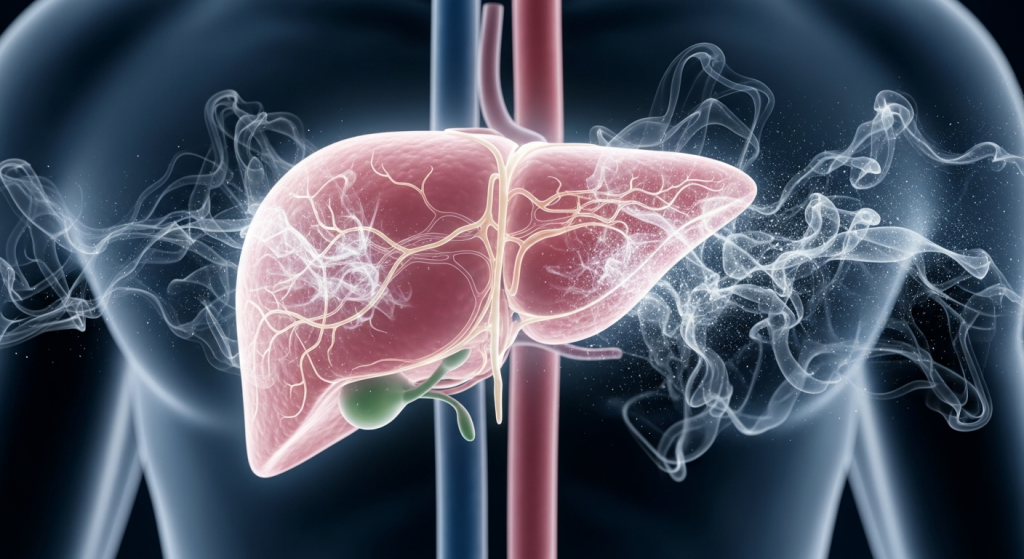
The allure of a quick fix for health problems is strong. Many people are drawn to “detox” diets and products promising to cleanse their bodies, boost energy, and promote weight loss. However, these claims often mask a misunderstanding of how our bodies, particularly our liver, naturally function. This article aims to debunk common detoxification myths and shed light on the liver’s incredible, self-sufficient role in keeping us healthy.
Indeed, the marketing around detoxification can be very persuasive. It suggests our systems are overloaded with toxins and require external intervention to restore balance. Yet, the scientific reality is far simpler and more robust: your body is a marvel of biological engineering, equipped with sophisticated systems to manage and eliminate waste products on its own.
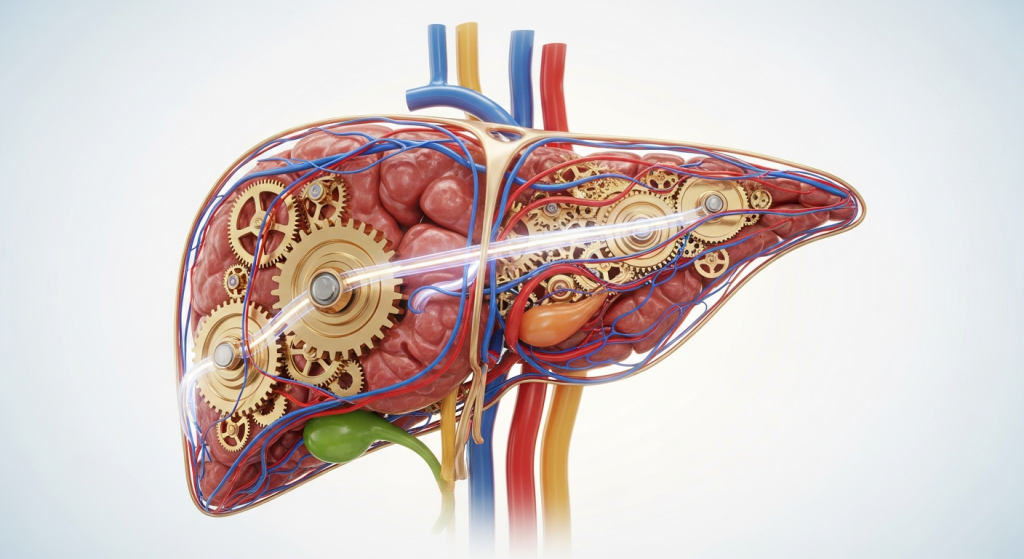
The Body’s Built-in Detoxification System
The idea that your body needs help to detoxify is a pervasive myth. In truth, your body possesses an innate, highly efficient detoxification system. This system is primarily managed by your liver, which acts as a remarkable biological filter.
Understanding Endotoxins and Exotoxins
Toxins in the body can be broadly categorized into two types: endotoxins and exotoxins. Endotoxins are byproducts naturally generated by your body’s own metabolic processes. Examples include lactic acid, urea, and even feces, which are waste materials that need to be eliminated.
On the other hand, exotoxins originate from external sources. These can include chemicals found in cleaning products and cosmetics, pollutants from the air and water we encounter daily, and pesticides that may be present on our food. Therefore, while external factors contribute to the toxic load, the body has mechanisms to handle them.
The Liver: The Body’s Master Detoxifier
Your liver is the primary organ responsible for detoxification. It is specifically designed to process and neutralize a vast array of substances, both internal and external. As liver cancer specialist and surgeon Thomas Aloia, M.D., explains, “The liver is our detoxification machine. It’s made to do this.”
Detoxifying the normal substances we ingest, breathe, and absorb is a continuous, vital function of the liver. This process is essential for maintaining life and overall health. The most crucial action you can take to support your liver’s detoxification role is to maintain its health through proper care.
Debunking Common Detox Myths
Many popular beliefs about detoxification are misleading. Let’s break down some of the most common myths and understand the facts.
Myth 1: Your Body Needs a Detox Program
Fact: Your body is naturally equipped to detoxify itself. It does not require special detox programs, cleanses, or supplements to perform this essential function. The liver works tirelessly to filter toxins, a process that is continuous and automatic every day.
The key to supporting your liver is moderation in your diet and lifestyle. Overwhelming the liver with excessive fat, sugar, or alcohol can impair its function over time. By making healthy choices, you ensure this vital organ can continue to operate effectively.
Myth 2: Detox Can Restore Damaged Health
Fact: If you consistently overindulge in unhealthy foods and habits, you can cause lasting damage to your liver. Unfortunately, no detox program can repair this damage. For instance, frequent consumption of fried foods and sugary drinks can lead to non-alcoholic fatty liver disease (NAFLD).
This fat accumulation in the liver is often irreversible, even with weight loss. Similarly, excessive alcohol intake adds further fat and strain. The only way to manage this condition is by adopting a healthy diet and limiting alcohol consumption. A healthy, plant-based diet rich in lean proteins, whole grains, fruits, and vegetables can provide the benefits often claimed by detox products, such as reduced inflammation, improved digestion, increased energy, and a stronger immune system.
Myth 3: Detoxing is Always Safe
Fact: Detox diets can pose significant risks. These diets often involve extreme measures like complete fasting, consuming only juices, or adhering to very restrictive food plans. They may also involve the use of herbs, supplements, or enemas.
Such strict regimens can lead to serious issues. These include electrolyte imbalances, deficiencies in essential vitamins and minerals, severe diarrhea, stomach upset, and profound fatigue. Wellness dietitian Lindsey Wohlford notes, “These diets appear harmless since they use natural foods and products, but we do not have evidence that they are safe or that they work.” Information often relies on testimonials, and the lack of medical monitoring raises significant safety concerns.
Furthermore, herbal detoxes and supplements are not always reviewed for safety and effectiveness by regulatory bodies like the FDA before they are sold. Alarmingly, some herbal remedies can actually be toxic to the liver. Therefore, it’s crucial to consult a healthcare professional before trying any new detox regimen. For instance, the only vitamin supplement generally recommended during cancer treatment is an age-specific daily multivitamin, emphasizing the need for evidence-based approaches.
Myth 4: Weight Loss from Detox is Sustainable
Fact: There is very limited evidence to suggest that short-term detoxes are effective for long-term weight loss. Any weight lost is typically due to fluid loss and a reduction in lean muscle mass, rather than body fat. Because these diets are temporary, the results are also temporary.
As soon as a normal eating pattern resumes, the lost weight usually returns. For sustainable weight management, a balanced, long-term eating plan is essential. Focusing on nutrient-dense foods and consistent healthy habits is far more effective than relying on short-term, unproven detoxes.
The Liver’s Multifaceted Role in Health
Beyond detoxification, the liver performs over 500 essential functions that are critical for our survival and well-being. It plays a pivotal role in processing nutrients from the food we eat, regulating blood clotting, and managing blood sugar levels. Understanding its extensive responsibilities highlights why protecting liver health is paramount.
Liver Health and Inflammation
The liver plays a significant role in regulating inflammation throughout the body. It processes fats, hormones, and other substances that modulate the immune system. When the liver is sluggish or overburdened, it can contribute to systemic inflammation, which may exacerbate various health conditions, including skin issues like eczema . A healthy liver is key to maintaining inflammatory balance.
Fat Metabolism and Skin Health
Essential fatty acids are vital for maintaining healthy skin. The liver is central to the metabolism of these fats. Consequently, impaired liver function can affect the availability of these skin-protective fats, potentially impacting skin health and barrier function.
Histamine Regulation
The liver is responsible for breaking down histamine, a chemical involved in allergic reactions and inflammation. When liver function is compromised, histamine levels can rise. This can lead to increased itching and skin irritation, particularly for individuals with conditions like eczema.
Supporting Your Liver Naturally
Instead of resorting to unproven detox fads, focus on evidence-based strategies to support your liver and overall health. A balanced diet and healthy lifestyle are the most effective ways to keep your liver functioning optimally.
Beneficial Dietary Choices
- Green Leafy Vegetables: Rich in nutrients that support liver function.
- Beetroot and Carrots: Contain compounds that aid liver detoxification processes.
- Healthy Fats: Include sources like flaxseed, walnuts, and moderate amounts of ghee to nourish the skin barrier.
- Whole Grains, Fruits, and Vegetables: Form the foundation of a liver-friendly diet.
Conversely, it is crucial to reduce your intake of processed foods, refined sugars, and excessive fried items, as these can burden the liver. Limiting alcohol consumption is also vital, as it can negatively impact both liver function and skin inflammation.
Lifestyle Habits for Liver Health
- Hydration: Drinking enough water supports both liver and kidney function.
- Regular Physical Activity: Boosts metabolism and aids overall bodily processes.
- Adequate Sleep: Essential for proper detoxification and cellular repair.
- Stress Management: Chronic stress can negatively impact liver health over time. Techniques like mindfulness can be beneficial.
Adopting these habits contributes to a healthier body and supports the liver’s natural detoxification capabilities. For individuals managing conditions like eczema, supporting liver health can be a component of a comprehensive management plan.
When to Consider Liver Health
While liver issues are rarely the sole cause of conditions like eczema, supporting liver health is advisable in certain situations. If eczema is accompanied by digestive problems, persistent fatigue, or hormonal imbalances, it may be worth investigating liver function. A history of excessive alcohol use or long-term medication intake also warrants attention.
Furthermore, if blood tests reveal elevated liver enzymes or signs of fatty liver disease, consulting a healthcare professional is important. If eczema is unresponsive to typical treatments and flares up after consuming certain foods or medications, it could indicate an underlying issue that involves the liver’s processing capabilities.
For accurate diagnosis and personalized advice, it is always best to consult with qualified healthcare professionals, such as hepatologists or gastroenterologists. They can provide evidence-based strategies tailored to your specific needs, ensuring the best support for your long-term health journey.
By understanding that your liver is a powerful, self-sufficient organ, you can move away from fad diets and toward sustainable, healthy practices. Focusing on a balanced diet and a healthy lifestyle is the most effective way to protect this essential organ and promote overall well-being. If you’re interested in optimizing your body’s natural processes, learning about the fundamentals of biohacking might offer further insights into enhancing your health.
Frequently Asked Questions (FAQ)
Are all fasting programs considered “detoxes”?
Not all fasting programs are considered “detoxes.” While some fasting diets are marketed with detoxification claims, others, like intermittent fasting or periodic fasting, are being researched for various health benefits, including disease prevention and weight management. However, the long-term effects of fasting are still under investigation, and it can cause side effects like headaches and dehydration.
Can detox diets cause harm?
Yes, detox diets can cause harm. They often involve extreme restrictions that can lead to electrolyte imbalances, nutrient deficiencies, diarrhea, and fatigue. Some products have also been found to contain hidden ingredients or make false claims about treating serious diseases. It’s crucial to consult a healthcare provider before undertaking any drastic dietary changes.
What is non-alcoholic fatty liver disease (NAFLD)?
NAFLD is a condition where excess fat builds up in the liver, unrelated to alcohol consumption. It is often linked to obesity, diabetes, and metabolic syndrome. The fat accumulation can be difficult to reverse, emphasizing the importance of a healthy diet and weight management for liver health.
How does the liver regulate inflammation?
The liver regulates inflammation by processing fats, hormones, and immune-modulating substances. A healthy liver helps maintain a balanced inflammatory response in the body. When the liver is stressed or damaged, it can contribute to increased systemic inflammation.
Are there any benefits to “detox” products?
Most “detox” products lack scientific evidence for their efficacy in removing toxins or providing significant health benefits. The benefits often attributed to them, such as increased energy or better digestion, are more reliably achieved through a balanced, nutrient-rich diet and healthy lifestyle choices that support the body’s natural detoxification processes.
