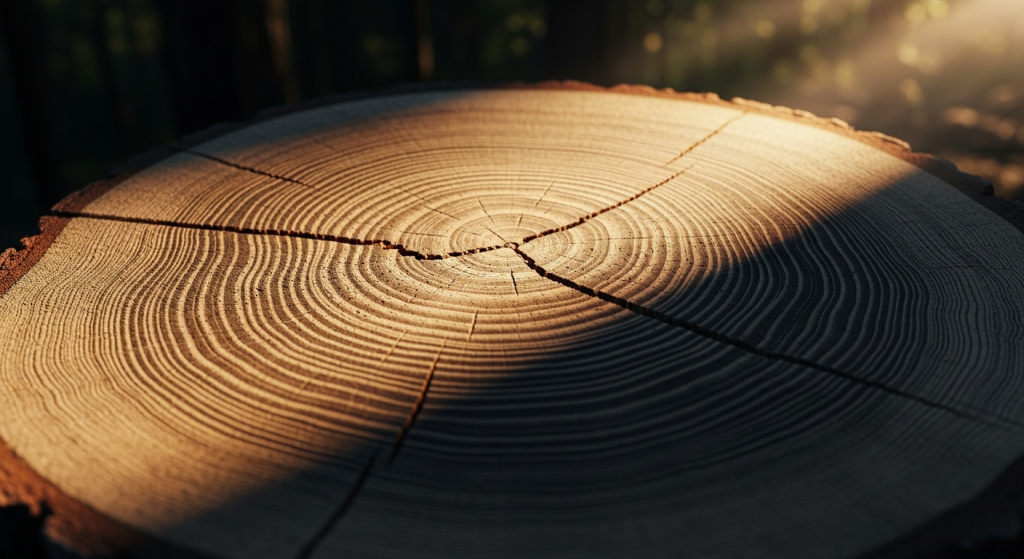
Trees are more than just silent sentinels of our forests. They are living chronicles, recording centuries of environmental history within their very structure. Specifically, their growth rings offer a remarkable window into past climates. This field, known as dendrochronology, allows scientists to reconstruct historical weather patterns, understand ecological responses, and even detect the impacts of events like droughts and fires. Therefore, by carefully analyzing these natural archives, researchers gain invaluable insights into our planet’s climate history. This knowledge is crucial for understanding current climate change and predicting future trends. Indeed, the study of tree rings has become a cornerstone of paleoclimatology.
The Art and Science of Dendrochronology
Dendrochronology is the scientific method of dating tree rings to determine the exact year they were formed. It’s a meticulous process that unlocks a wealth of information about a tree’s life and its surrounding environment. Scientists examine pencil-thin cross-sections or core samples taken from trees. Each ring represents one year of growth. The width and characteristics of these rings tell a story. For instance, wide rings generally indicate favorable growing conditions, such as ample moisture and sunlight. Conversely, narrow rings often signal stressful periods, like drought, extreme cold, or insect infestations. As a result, a single tree can provide a detailed year-by-year record of its life. This makes them invaluable natural archives.
How Tree Rings Record Climate Data
Trees grow a new layer each year. This layer forms a ring visible in a cross-section of the trunk. The thickness of each ring is directly influenced by climate conditions during that specific year. Moisture availability is a primary factor. When water is plentiful, trees tend to grow wider rings. When water is scarce, growth is limited, resulting in narrower rings. Temperature also plays a significant role. For example, optimal temperatures promote faster growth, leading to wider rings. Extreme temperatures, whether too hot or too cold, can inhibit growth and produce thinner rings.
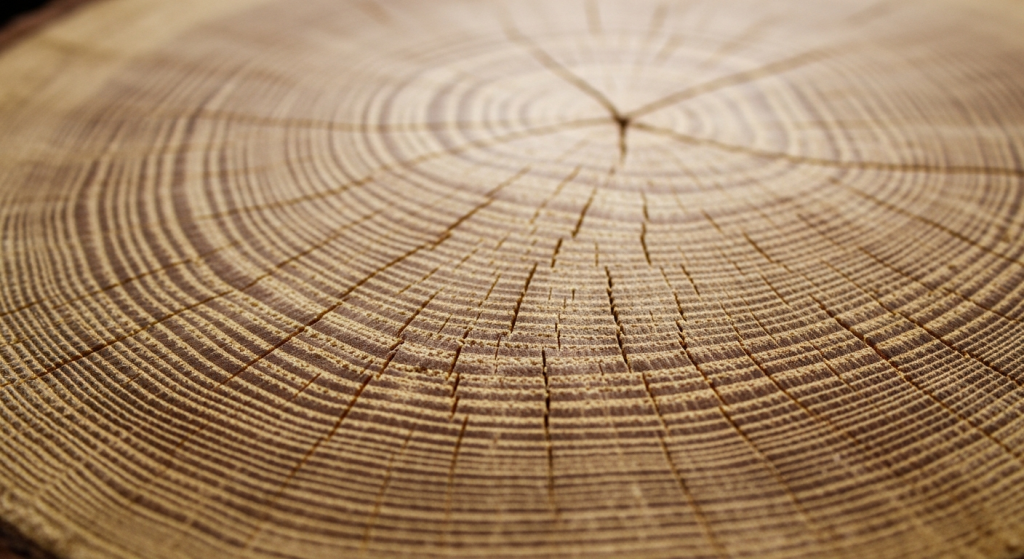
Moreover, other environmental factors can influence ring width. These include sunlight, soil nutrients, and even competition from other trees. However, scientists focus on the dominant climatic signals when reconstructing past weather patterns. They often study multiple trees from the same area. This helps to average out individual tree variations and isolate the regional climate signal. By cross-dating the ring patterns from many trees, researchers can create long and accurate chronologies. This process is vital for ensuring the reliability of the climate data derived from the rings.
Building Long-Term Climate Records
The power of dendrochronology lies in its ability to extend climate records far beyond the instrumental period. Historical weather data, collected by humans, typically only goes back a few centuries. Tree rings, however, can provide continuous climate data for millennia. For example, the cross-dated dendrochronology record for coast redwoods can extend back to 328 AD. For giant sequoias, it reaches 474 AD. This impressive temporal reach allows scientists to study past climate variability with unprecedented detail.
The Importance of Cross-Dating
Cross-dating is a fundamental technique in dendrochronology. It involves matching ring patterns between different tree samples. Even trees in the same forest can have slightly different growth rates. Cross-dating helps to identify missing rings or false rings that can occur in certain years. By comparing the patterns of wide and narrow rings across multiple trees, scientists can establish a precise calendar year for each ring. This ensures that the chronology is accurate and reliable. Without cross-dating, the dating of the rings would be much less precise. Therefore, it is an essential step in building robust climate reconstructions.
Stable Isotope Analysis
Beyond ring width, scientists can also analyze the chemical composition of tree rings. Stable isotope analysis is a powerful technique. It examines the ratios of different isotopes of elements like oxygen and carbon within the wood. These isotopes are incorporated into the tree from the atmosphere and water it uses. Water sources, for instance, leave a stable isotope imprint in the cellulose of wood produced annually. These analyses help us learn more about how redwoods grew over the last millennia and how the climate changed. This provides additional layers of climate information, such as past precipitation amounts and the origin of water sources.
Applications of Tree Ring Research
The insights gained from dendrochronology have wide-ranging applications. Historians use tree rings to date ancient wooden structures and understand past human impacts on the environment. Paleoclimatologists use them to reconstruct past climates and understand natural climate cycles. Climate researchers use this data to improve climate models and assess the severity of current climate change. For example, tree ring records have revealed the extent and duration of past droughts, offering valuable context for current drought conditions. They can also show the frequency and intensity of past wildfires. This helps in understanding fire regimes and their ecological significance. Indeed, the work of institutions like the Tree Ring Lab at Lamont-Doherty Earth Observatory has been pivotal in advancing this field globally.
Understanding Drought and Flood Cycles
One of the most significant contributions of dendrochronology is its ability to reconstruct past drought and flood events. By analyzing the width of tree rings, scientists can identify periods of prolonged water scarcity or excess rainfall. This data is crucial for understanding the natural variability of hydrological cycles. It helps in assessing the risk of extreme events in the future. For instance, studies on redwoods have shown how climate events such as droughts and flooding have affected their growth across history. This information can guide water management strategies and disaster preparedness. It is important to understand these long-term patterns to better manage our resources.
Investigating Volcanic Eruptions and Monsoons
Tree rings can also record the effects of major climatic disturbances, such as large volcanic eruptions. Eruptions inject ash and gases into the atmosphere, which can block sunlight and cause temporary cooling. This cooling effect can be observed as narrow growth rings in trees. Furthermore, dendrochronology has been instrumental in understanding complex climate phenomena like the Asian monsoon. Researchers like Rosanne D’Arrigo have conducted extensive work on this, revealing the intricate components and seasonal variabilities of these powerful weather systems. Her research highlights the complexity of the Asian monsoon and how factors like volcanism can influence rainfall patterns.
Limitations and Future Directions
While dendrochronology is a powerful tool, it has limitations. Not all tree species are suitable for dendrochronological dating. Tropical regions, for example, often have fewer species with distinct annual growth rings. Complicating matters such as these add to the difficulty of studying tropical tree rings relative to those at higher latitudes. Additionally, other variables besides temperature and precipitation can influence growth rates. Real tree ring cross-sections are not always perfectly circular or symmetrical. Models, while useful, are simplifications of reality. Some models start right in with the first annual ring, omitting the pith, the very center of the tree. This means that understanding these nuances is important for accurate interpretation. The simulation on SCIED UCAR helps illustrate these concepts but acknowledges these limitations.
The Role of Technology and New Techniques
Despite these challenges, technology and new techniques are constantly enhancing dendrochronology. Advanced imaging technologies can help analyze ring structure with greater precision. New stable isotope analysis methods provide more detailed information about past environmental conditions. Furthermore, combining tree ring data with other paleoclimate proxies, such as ice cores and sediment layers, creates more comprehensive reconstructions of Earth’s climate history. This interdisciplinary approach strengthens our understanding of long-term climate dynamics. It also helps in validating climate models. Such advancements are crucial for addressing the complexities of our changing planet.
Conservation and Climate Change Adaptation
Understanding past climate responses through tree rings is vital for conservation efforts. For example, research on redwoods and giant sequoias helps scientists understand how these ancient trees have responded to climate shifts over centuries. This knowledge informs strategies for protecting and restoring these vital forest ecosystems. As we face rapid climate change, understanding how trees have adapted historically is crucial. This can guide efforts to enhance forest resilience. It also helps in making informed decisions for forest management in a changing world. The more we know about trees’ past responses, the better we can protect them for the future. This is particularly relevant for species facing threats from climate change, such as those undergoing migration due to warming temperatures, as explored in articles on climate refugees and plant migration.
Frequently Asked Questions
What is the primary goal of dendrochronology?
The primary goal of dendrochronology is to date tree rings to determine when they were formed. This allows scientists to reconstruct past environmental conditions and climate history.
How does a tree ring indicate past climate conditions?
The width of a tree ring indicates the amount of growth a tree achieved in a year. Wide rings suggest good growing conditions (e.g., ample water), while narrow rings suggest stressful conditions (e.g., drought or cold).
Can tree rings tell us about events other than climate?
Yes, tree rings can also record other environmental events. These can include insect outbreaks, fires, or even the impact of human activities like logging or construction.
Are all tree rings equally useful for climate research?
No, not all tree species are equally useful. Trees in regions with distinct seasons and less competition often produce clearer annual rings. Tropical trees, for instance, can be more challenging to analyze.
How far back in time can tree rings provide climate data?
Depending on the species and location, tree ring records can extend back hundreds or even thousands of years. Some records, like those for coast redwoods, go back over 1700 years.
Conclusion
In conclusion, decoding tree rings through dendrochronology offers a profound connection to Earth’s past. These silent witnesses provide an invaluable archive of climate history, ecological events, and environmental change. By meticulously analyzing their growth patterns and chemical signatures, scientists can reconstruct past climates with remarkable accuracy. This knowledge is not merely academic; it is essential for understanding the dynamics of our planet and for developing effective strategies to address the challenges of a changing climate. The ongoing research in this field continues to reveal the intricate stories held within each annual ring, guiding us toward a more informed future.