
Native Landscaping: Cultivating Wildlife Havens
Published on December 31, 2025 by Admin
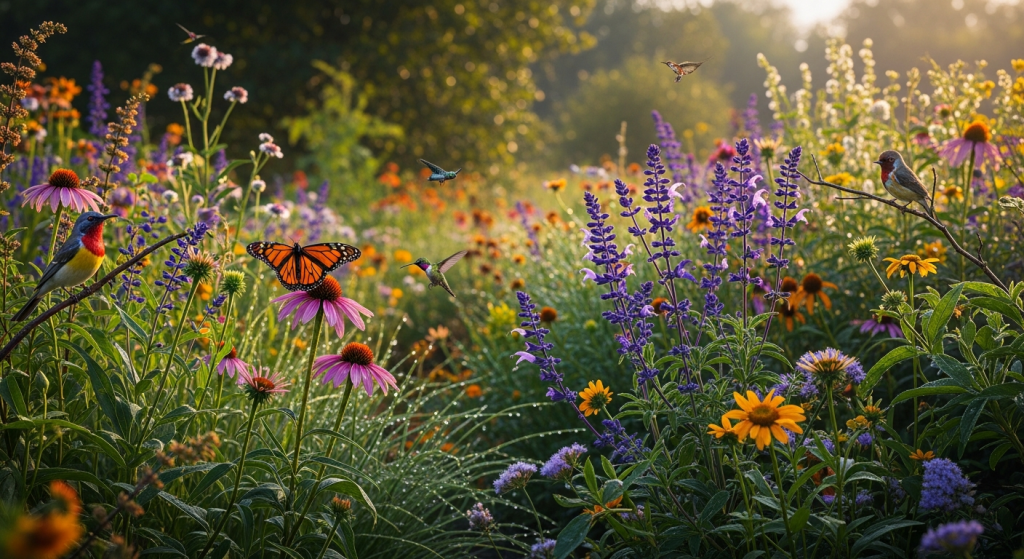
Transforming your garden into a vibrant sanctuary for local wildlife is a rewarding endeavor. Native landscaping focuses on using plants indigenous to your region. This approach not only enhances your garden’s beauty but also plays a crucial role in supporting local ecosystems. Indeed, native habitat gardens can support two times the amount of wildlife compared to non-native landscapes .
Unlike natural landscapes that evolve organically, a native plant garden is intentionally designed. It replicates and enhances the natural beauty of a specific region. However, it does so with careful planning to meet various garden needs. This thoughtful design ensures structure, pathways, and organization. It also strategically places plants to attract specific wildlife and provide year-round visual interest.
Why Choose Native Plants for Your Garden?
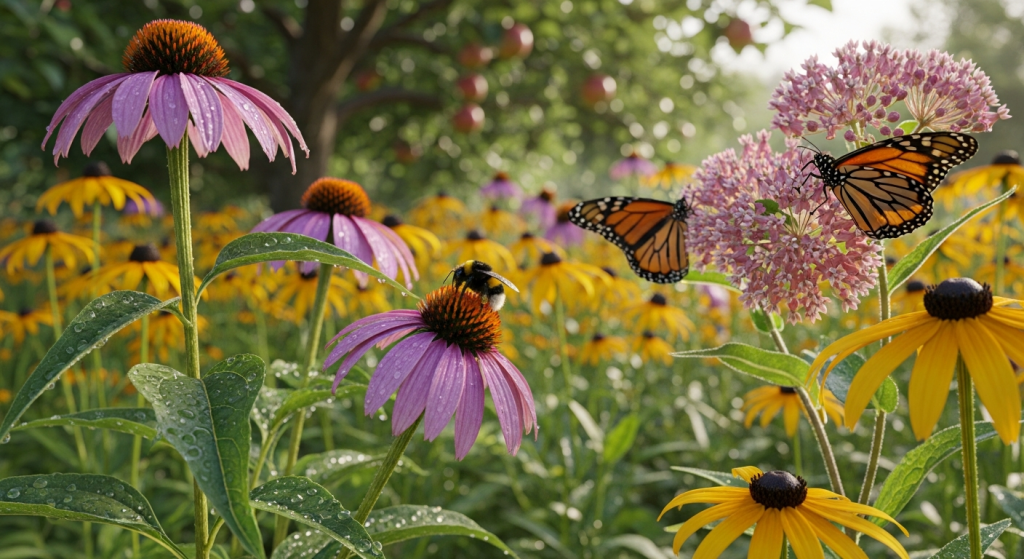
Native plants have evolved alongside local wildlife for centuries. They form the very foundation of their habitats. Therefore, they are paramount for preserving local genetic diversity and offering essential support to wildlife. These plants provide the necessary habitat and food sources for countless pollinators, birds, and insects. These relationships are vital for pollination and the overall health of local ecosystems.
Furthermore, native plants offer practical benefits for gardeners. They typically require less water and fewer pesticides than their non-native counterparts. This is because they are generally better adapted to the local climate and soil conditions. As a result, they are often more resistant to diseases and drought. This often leads to lower maintenance needs and cost savings. It’s a win-win for both the gardener and the environment.
Ecological Advantages
Native plant landscaping is a powerful tool for ecological restoration. It helps combat the spread of invasive species. These non-native plants often outcompete and overwhelm local species. This reduces biodiversity and harms overall ecosystem health .
By choosing native species, you create a garden that is in sync with your local environment. You actively contribute to the health of your regional ecosystem. Moreover, native gardens can enhance ecosystem services like water filtration and natural pest control.
Practical Benefits for Gardeners
Beyond their ecological significance, native plants are often more resilient. They are naturally suited to your area’s climate and soil. This means they often demand less intensive care. For instance, they are less prone to common pests and diseases that plague non-native varieties. This translates to less work and fewer expenses for you.
Native plants also offer a unique aesthetic. They provide a sense of place, reflecting the natural beauty of your region. This can create a more authentic and grounding garden experience. It connects you to your surroundings in a way that generic, widely planted species cannot.
Designing Your Native Wildlife Garden
Planning is the first step toward a thriving native garden. You need to understand which plants naturally flourish in your region. For example, sun-loving plants like dense blazing star are excellent for sunny spots. Conversely, shade-tolerant species like woodland sunflower are ideal for shadier areas, depending on your specific location .
Step 1: Research Your Local Native Species
Before you start digging, research the native plants of your region. Look for native plant garden ideas online. Consult local gardening books or visit botanical gardens. Nurseries specializing in native plants are also excellent resources. Understanding your local flora is key to successful native landscaping.
Consider the specific conditions in your garden. This includes sun exposure, soil type, and moisture levels. Choose plants that are well-adapted to these conditions. This will ensure their health and vigor.
Step 2: Curate Your Plant Selection
While the focus is on native species, selection is still curated. You’ll want to match plants to specific needs. This includes their wildlife value and seasonal interest. A well-planned native garden might include a variety of plants from local ecosystems.
The goal is to create a garden that supports a diverse range of wildlife. This means providing food, water, and shelter throughout the year. Think about blooming times, fruit production, and seed dispersal.
Step 3: Design for Structure and Function
A native plant garden is thoughtfully designed. It aims to attract pollinators and provide habitat. It also offers beauty and organization. Consider incorporating pathways and seating areas. These elements make your garden accessible and enjoyable for people.
Strategic placement is important. For instance, dense plantings of shrubs and trees offer excellent shelter for birds. They can protect them from storms and predators. Imagine being a bird needing shelter; a thicket of plants offers better protection than a single specimen tree.
Creating a Welcoming Habitat for Wildlife
Native plants are the cornerstone of any wildlife garden. However, other elements are also crucial for creating a welcoming habitat. Providing water sources and shelter is essential for supporting a diverse range of species.
Water Sources
Water is vital for all living creatures. A bird bath, a small pond, or even a simple shallow dish of water can make a big difference. Ensure the water source is safe and accessible for smaller creatures like insects and amphibians.
For instance, metallic sweat bees, which are ground-nesting bees, can benefit from accessible water. Providing bare soil areas in your garden also helps these native pollinators .
Shelter and Nesting Opportunities
Wildlife needs safe places to rest, nest, and raise their young. Dense native shrubs and trees provide excellent cover. Brush piles can offer shelter for overwintering pollinators and other small creatures.
Nurse logs also play an important role. They provide a place for native cavity-nesting bees to lay their eggs. These logs can also support native ferns and wildflowers, adding to the habitat’s complexity.
Food Sources
Native plants offer a natural buffet for local wildlife. Flowers provide nectar and pollen for pollinators. Berries and seeds offer food for birds and small mammals. Don’t forget about host plants for caterpillars, which are a crucial food source for many birds.
For example, Pacific ninebark (Physocarpus capitatus) attracts a variety of native bees. It also provides shelter for birds during winter months .
Native Gardens vs. Natural Landscapes
While both utilize native plants, designed native gardens differ from natural landscapes in several key ways. A natural landscape is shaped by environmental processes without significant human intervention. Plants grow where they thrive based on local climate and soil.
In contrast, a native plant garden is a human-created design. It is thoughtfully planned to support local ecosystems. It also offers aesthetic appeal and structure for human enjoyment. This means intentional planting and selection to suit specific needs and attract certain wildlife.
Human Created Design vs. Wild Growth
A native plant garden is organized and intentional. It may include pathways and seating for people. It is designed to be accessible and functional. Natural landscapes, on the other hand, grow freely. They are shaped by natural processes without human planning.
A Curated Plant Selection
In a designed native garden, plant selection is carefully curated. It considers factors like sun exposure, soil type, and wildlife value. The aim is to create a compatible and thriving garden environment. In the wild, plants grow wherever they can based on natural conditions.
Integration with Local Wildlife
A well-planned native garden actively attracts specific wildlife. It encourages biodiversity and supports local food webs. Natural landscapes also support wildlife, but a designed garden can be tailored to meet specific needs. This is especially true when invasive species have altered the natural landscape, offering little food for wildlife .
Tips for Success
Creating a successful native garden involves more than just planting native species. It requires thoughtful design and ongoing care. Here are some tips to help you on your journey.
Embrace Imperfection
Natural processes are not always neat and tidy. Native plants may spread in unexpected ways. Instead of fighting it, embrace the delightful surprises. This can lead to a more dynamic and natural-looking garden.
Partnering with natural processes can also help reduce perfectionism. Plants don’t worry about being perfect; they simply grow. This is a good reminder for us to embrace our own “rough edges.”
Pack Your Native Plants Tightly
To maximize benefits for wildlife, pack your native plants closely together. This dense planting provides shelter for birds and other creatures. It also helps suppress weeds, which are often invasive and offer no benefit to wildlife.
When plants touch, they create a safer environment for caterpillars to transform. They also provide hiding places for beneficial insects and amphibians. This approach can lead to an exuberantly beautiful landscape.
Consider Year-Round Interest
A truly effective wildlife garden provides resources throughout the year. Select plants that offer blooms, fruits, or seeds at different times. Consider evergreens for winter cover and structure. This ensures that your garden remains a valuable habitat even in the colder months.
Frequently Asked Questions (FAQ)
What exactly are “native plants”?
Native plants are species that have evolved naturally in a specific region over long periods. They are adapted to the local climate, soil conditions, and wildlife of that area. For example, plants found in the Pacific Northwest might be different from those in the Southeast.
How much more wildlife can a native garden support?
Studies suggest that native habitat gardens can support significantly more wildlife. In fact, they can support up to two times the amount of wildlife compared to landscapes dominated by non-native plants.
Are native plants always low-maintenance?
Generally, yes. Because native plants are adapted to local conditions, they typically require less watering, fertilizing, and pest control than non-native species. However, initial establishment might require some attention.
Can I still have a beautiful garden with only native plants?
Absolutely. Native plants offer a wide range of colors, textures, and forms. They can create stunning landscapes that are both beautiful and ecologically functional. Many native plants provide seasonal interest with unique blooms, fruits, and fall colors.
How can I find native plants for my specific region?
You can research local native plant societies, visit specialized nurseries, consult botanical gardens, or use online resources that identify plants native to your state or county. Many organizations offer plant lists and guides.
Conclusion
Designing a native landscaping garden is a powerful way to support local wildlife. It’s also an enriching experience for homeowners and gardeners. By selecting plants indigenous to your region, you create a resilient, beautiful, and ecologically beneficial space. This approach not only enhances your garden’s aesthetic appeal but also fosters a deeper connection with nature. It transforms your yard into a vital haven for the creatures that share your environment. Consider the impact of your garden choices; you can make a real difference for local biodiversity.
