
Phytoremediation: Plants for Heavy Metal Cleanup
Published on December 31, 2025 by Admin
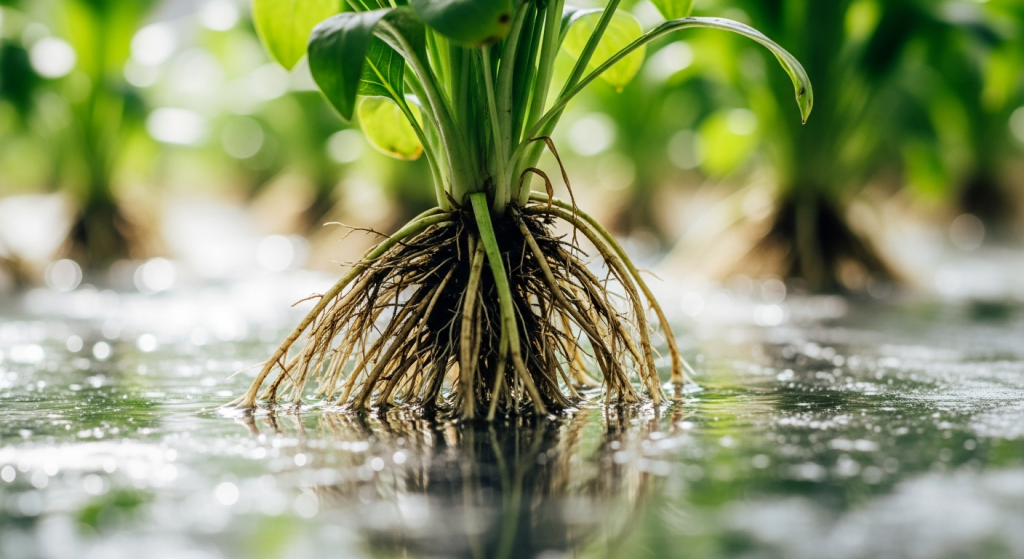
Heavy metal pollution is a serious global issue. It affects our soil, water, and food. Human activities, like mining and farming, release these toxic metals into the environment. These metals can harm crops, disrupt food chains, and pose risks to human health. Therefore, finding effective cleanup methods is crucial for both our planet and our well-being.
Traditional cleanup methods, such as soil washing or incineration, can be expensive and disruptive. They may also alter the soil’s natural properties. Fortunately, nature offers a more sustainable solution: phytoremediation. This is a plant-based approach that uses vegetation to clean up contaminated sites. It is an eco-friendly and cost-effective technique.
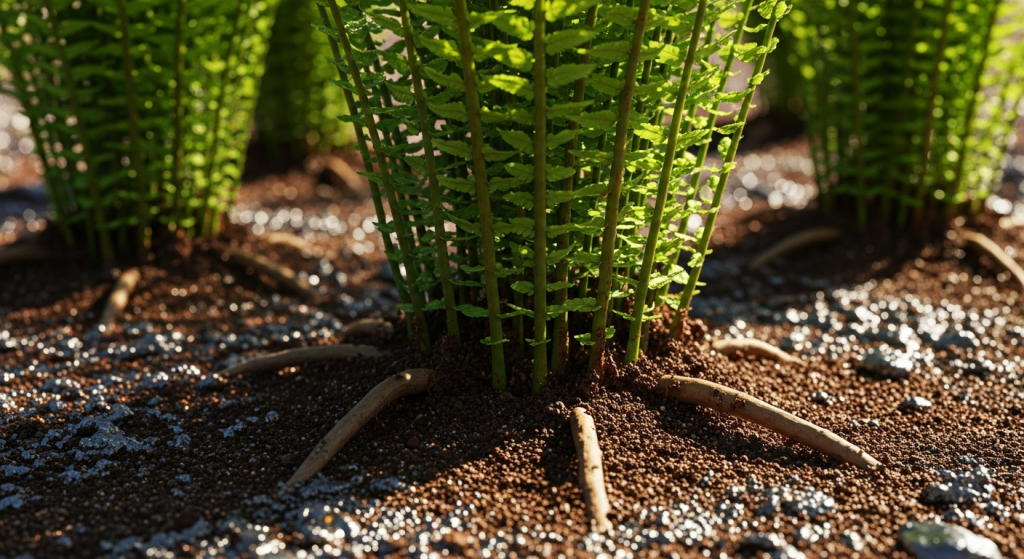
Phytoremediation harnesses the natural abilities of plants to manage pollutants. It’s a multidisciplinary field that combines botany, soil science, and environmental engineering. This article explores the fascinating world of phytoremediation, focusing on how plants can extract heavy metals from polluted sites.
Understanding Heavy Metal Pollution
Heavy metals are dense metallic elements. Common examples include lead (Pb), mercury (Hg), cadmium (Cd), arsenic (As), zinc (Zn), copper (Cu), nickel (Ni), and chromium (Cr). These metals are non-biodegradable. This means they persist in the environment for a very long time. Consequently, they can accumulate in soil and water.
Anthropogenic activities are the primary source of heavy metal contamination. These include mining and smelting operations, industrial manufacturing, and the use of pesticides and fertilizers in agriculture. Produced water from oil and gas industries also contributes significantly. Even electroplating and fossil fuel burning release these harmful substances into the environment.
When heavy metals enter the soil, they can be absorbed by plants. This process allows them to enter the food chain. As they move up the trophic levels, they can accumulate in higher concentrations. This phenomenon is known as biomagnification. Ultimately, this poses a serious threat to human health and the ecosystem. Therefore, effective remediation is essential.
The Impact on Ecosystems and Health
Heavy metals can alter the soil’s physical and chemical properties. This can reduce soil fertility and impact plant growth. Essential nutrients can be displaced, affecting crop yields. Furthermore, crops grown in contaminated soil can absorb these metals, making them unsafe for consumption. This can lead to various health problems in humans and animals.
Non-essential heavy metals like lead, cadmium, and mercury are particularly toxic. They have no known beneficial function in plants. Their presence severely affects physiological and biochemical processes. This can lead to reduced agricultural productivity and long-term environmental damage. Thus, understanding their behavior and removal is vital.
What is Phytoremediation?
Phytoremediation is a plant-based technology. It uses living plants to remove, degrade, or immobilize contaminants in soil and water. It’s a green and environmentally friendly approach to pollution control. This technique is particularly effective for sites contaminated with heavy metals.
The core principle of phytoremediation lies in the plant’s ability to absorb substances from the soil through its root system. Plants can accumulate these metals in their tissues. This process effectively transfers the pollutants from the soil to the plant biomass. Subsequently, the contaminated plant material can be harvested and disposed of safely.
Key Phytoremediation Techniques
Several phytoremediation techniques are employed for heavy metal cleanup. Each method utilizes specific plant capabilities:
- Phytoextraction (or Phytoaccumulation): This is the most common method for heavy metal removal. Plants absorb metals from the soil and store them in their harvestable parts, like shoots and leaves. Hyperaccumulator plants are especially useful for this technique.
- Phytostabilization: In this method, plants reduce the mobility and bioavailability of heavy metals in the soil. They achieve this by altering soil chemistry or by immobilizing metals in the root zone. This prevents metals from leaching into groundwater or entering the food chain.
- Phytovolatilization: Some plants can absorb certain metals and release them into the atmosphere as volatile compounds. For example, selenium and mercury can be transformed into gaseous forms by specific plants.
- Phytofiltration (or Rhizofiltration): This technique uses plant roots to absorb and concentrate heavy metals from contaminated water. It is often used for treating industrial effluents or mining wastewater.
The effectiveness of phytoremediation depends on several factors. These include the type of contaminant, the concentration of the pollutant, and the plant species used. The bioavailability of the heavy metals in the soil is also crucial. Additionally, the plant’s biomass and its ability to tolerate high metal concentrations play significant roles.
Selecting the Right Plants for Phytoremediation
Choosing the appropriate plant species is critical for successful phytoremediation. Plants that can tolerate and accumulate high concentrations of heavy metals are known as hyperaccumulators. These plants are invaluable for phytoextraction.
Several factors influence plant selection. These include the specific heavy metal being targeted, the soil conditions, and the climate. Plants with high biomass production are preferred because they can remove larger quantities of metals. Furthermore, fast-growing plants can accelerate the remediation process.
Hyperaccumulator Plants
Hyperaccumulators are a special group of plants. They can accumulate metals in their tissues at concentrations far exceeding those found in their environment. For instance, some plants can accumulate metals up to 100 times higher than normal plants. This ability makes them ideal for phytoextraction.
Examples of hyperaccumulators and the metals they target include:
- Sunflower (Helianthus annuus): Effective for lead (Pb) and arsenic (As) removal. It accumulates these metals in its roots, stems, and leaves.
- Indian Mustard (Brassica juncea): A powerful accumulator of lead (Pb) and cadmium (Cd). It stores high concentrations in its shoots and leaves.
- Ferns (e.g., Pteris spp.): Species like the Chinese brake fern (Pteris vittata) are exceptional arsenic (As) hyperaccumulators. They store very high levels in their fronds.
- Willow (Salix spp.): These trees and shrubs are excellent for zinc (Zn) phytoextraction. They accumulate moderate levels in their tissues.
It is important to note that when using plants for remediation, especially edible varieties like mustard greens, they should be treated as non-edible. This is because they have absorbed toxic metals.
Factors Affecting Plant Uptake
The uptake and distribution of heavy metals in plants are influenced by many variables. These include the plant species, the specific metal species, and its chemical form. The bioavailability of the metal in the soil is paramount. Soil properties like pH, cation exchange capacity (CEC), and dissolved oxygen levels also play a role. Root secretions can also affect metal uptake.
For example, plants can absorb heavy metals through their roots. However, some plants can also absorb them through their stems and leaves. Plants exhibit selective uptake, meaning they absorb certain elements more readily than others. Understanding these mechanisms helps in selecting the most effective plant for a given site.
Enhancing Phytoremediation Efficiency
While plants have natural abilities, their efficiency in phytoremediation can be further enhanced. Several strategies are employed to boost the process.
Genetic Engineering and Breeding
Scientists are exploring genetic modification and plant breeding to develop more efficient hyperaccumulators. By enhancing specific genes, plants can be engineered to absorb and tolerate higher concentrations of heavy metals. This can significantly speed up the remediation process. For instance, modifying genes involved in metal transport or detoxification can create super-hyperaccumulators.
This approach aligns with advancements in GM crops, aiming to improve plant capabilities for environmental benefits.
Microbe-Assisted Phytoremediation
Certain soil microbes can enhance the uptake of heavy metals by plants. These microorganisms, often found in the plant’s rhizosphere (the area around the roots), can alter the chemical form of metals, making them more available for plant uptake. They can also help plants tolerate stress caused by heavy metals.
For example, plant growth-promoting rhizobacteria (PGPR) can solubilize metal compounds or chelate metals, increasing their bioavailability. This symbiotic relationship between plants and microbes offers a powerful synergistic approach to phytoremediation. You can learn more about the hidden world of these soil allies in The Hidden Universe: Soil Microbes Powering Our Planet.
Chelate-Assisted Phytoremediation
Chelating agents are compounds that bind to metal ions. When added to the soil, these agents can increase the solubility and bioavailability of heavy metals. This, in turn, enhances their uptake by plants. However, careful management is needed to avoid excessive metal leaching into the groundwater.
Synthetic chelates like EDTA are often used. However, research is ongoing to find more environmentally friendly, biodegradable chelating agents. This method is particularly useful for metals that are not easily mobilized in the soil.
Challenges and Limitations
Despite its numerous advantages, phytoremediation is not without its challenges. Understanding these limitations is crucial for effective implementation.
Time and Scale
Phytoremediation can be a slow process. It often requires multiple growing seasons to significantly reduce metal concentrations. The effectiveness also depends on the scale of contamination. Large, heavily contaminated sites may require extensive planting and multiple harvesting cycles.
Metal Bioavailability
The bioavailability of heavy metals in soil is a key limiting factor. Metals can be present in forms that plants cannot easily absorb. Soil properties, such as high pH or organic matter content, can reduce metal solubility and thus their bioavailability. This can slow down or prevent effective uptake by plants.
Plant Tolerance and Biomass
Not all plants can tolerate high levels of heavy metals. While hyperaccumulators are highly tolerant, their biomass might be lower compared to non-accumulator species. Finding a balance between metal accumulation capacity and biomass production is important. Also, the depth of root systems limits the volume of soil that can be remediated.
Disposal of Contaminated Biomass
Once plants have accumulated heavy metals, their harvest and disposal must be managed carefully. The biomass itself becomes hazardous waste. Proper disposal methods, such as incineration in specialized facilities or safe landfilling, are necessary to prevent re-contamination. This aspect is frequently overlooked when choosing plants for heavy metal removal.
Environmental Conditions
Plant growth and metal uptake are influenced by environmental factors like temperature, rainfall, and soil moisture. Extreme weather conditions can hinder plant development and reduce the efficiency of phytoremediation. Therefore, site-specific conditions must be considered.
The Future of Phytoremediation
Phytoremediation is a promising technology with significant potential. Ongoing research continues to refine and expand its applications. The focus is on identifying new hyperaccumulator species and improving existing ones through biotechnology.
Furthermore, integrating phytoremediation with other remediation techniques can create more robust and efficient cleanup strategies. For instance, combining it with bioremediation or phytomining offers exciting possibilities. Phytomining, in particular, involves using plants to extract valuable metals from low-grade ores or contaminated soils.
As environmental regulations become stricter and the demand for sustainable solutions grows, phytoremediation is poised to play an increasingly vital role in environmental restoration. Its eco-friendly nature and cost-effectiveness make it an attractive option for industrial cleanup crews and soil remediation engineers.
Frequently Asked Questions (FAQ)
What are the main advantages of phytoremediation?
Phytoremediation is cost-effective, environmentally friendly, and aesthetically pleasing. It can improve soil quality and reduce the need for disruptive excavation. It also offers a sustainable way to manage contaminated land.
Can phytoremediation remove all types of heavy metals?
Phytoremediation is effective for a range of heavy metals, but its efficiency varies depending on the metal and the plant species. Some metals are more easily extracted or stabilized than others. Research is ongoing to develop plants for a wider spectrum of contaminants.
How long does phytoremediation take?
The duration of phytoremediation varies greatly. It depends on the type and concentration of contaminants, the plant species used, and environmental conditions. It can range from a few months to several years.
What happens to the plants after phytoremediation?
After accumulating heavy metals, the plants are harvested. The contaminated biomass must be disposed of safely. This often involves incineration or specialized landfilling to prevent re-contamination of the environment.
Can phytoremediation be used on a large scale?
Yes, phytoremediation can be applied to large-scale contaminated sites. However, it requires careful planning, extensive planting, and ongoing management. The scale of the operation influences the time and resources needed.
