
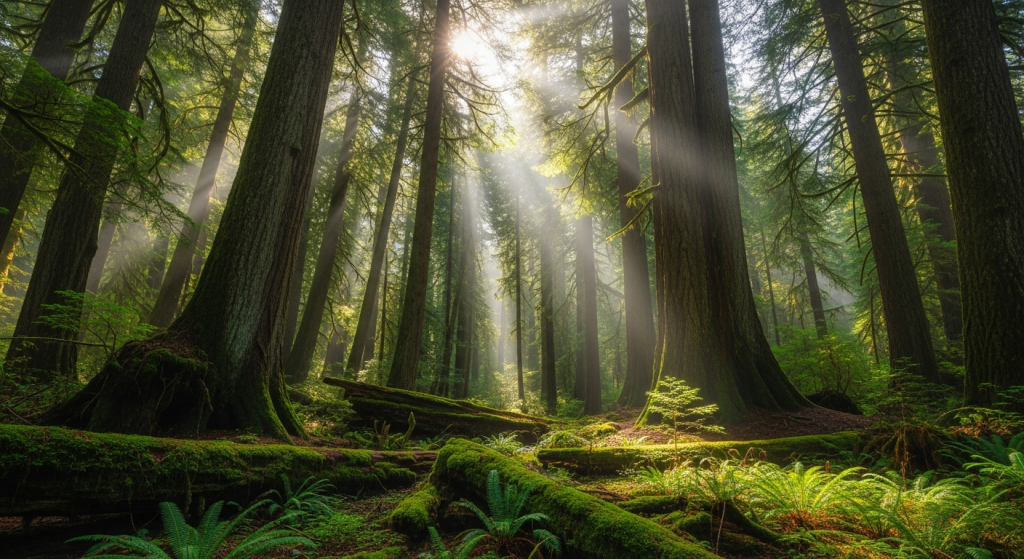
Old-growth forests are more than just ancient woodlands. They are vital ecosystems playing a critical role in our planet’s health. These magnificent forests are unparalleled champions of carbon capture. Understanding their ecological significance is crucial for climate activists, foresters, and environmental science students alike. Therefore, we must recognize their immense value.
These forests represent a mature stage of forest development. They are characterized by large, old trees, a complex structure, and a rich understory. Consequently, they offer unique benefits that younger forests cannot replicate. Their role in mitigating climate change is particularly significant.
The Ecological Powerhouse of Old-Growth Forests
Old-growth forests are living monuments. They have stood for centuries, accumulating vast amounts of carbon. For instance, a single giant sequoia can hold more leaves than there are people in China. These ancient trees have been alive for millennia, predating much of recorded human history.
Their ecological complexity is astounding. They support a greater diversity of life than younger forests. This includes a rich array of mosses, lichens, insects, and birds. The forest canopy itself can become a habitat for trees, ferns, and other plants. This creates a truly unique, multi-layered ecosystem.
Furthermore, these forests provide essential ecosystem services. They help regulate water cycles and maintain water quality. They also play a role in mitigating floods and droughts. Their intricate root systems stabilize the soil. This prevents erosion and maintains landscape integrity.
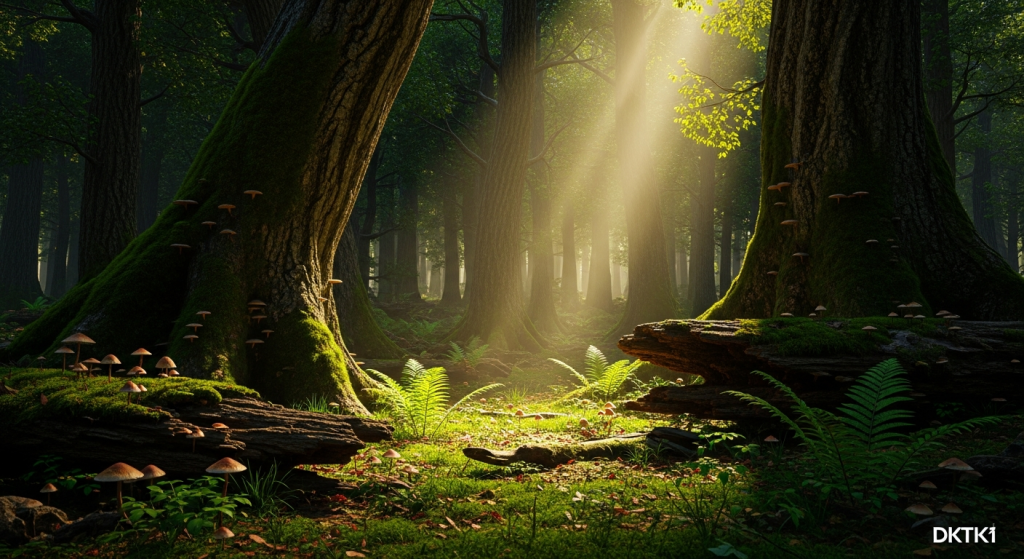
Understanding Carbon Sequestration in Mature Forests
Carbon sequestration is the process of capturing and storing atmospheric carbon dioxide. Forests are natural carbon sinks. Old-growth forests, however, are exceptional at this. They store enormous quantities of carbon over long periods. This is primarily due to the sheer size and age of the trees.
Older trees accumulate and store tremendous amounts of carbon over many centuries. This makes them vital for climate change mitigation. They effectively lock away carbon that would otherwise contribute to global warming.
Surprisingly, research indicates that younger and middle-aged forests might absorb carbon more rapidly. However, the total carbon stored in older, more established forests is often much greater. Forests that are 140 years old and above were found to be approximately carbon neutral in one study, which contrasts with some model predictions. This highlights the complex dynamics of forest age and carbon storage.
While younger forests are efficient at carbon uptake, older forests are crucial for long-term carbon storage. Thus, both types of forests are important for a comprehensive climate strategy. Protecting mature and old-growth stands ensures this vital long-term carbon sink remains intact.
The Role of Older Trees in Carbon Storage
The largest trees in a forest are disproportionately important for carbon storage. A study of six national forests in Oregon showed that the biggest 3 percent of trees accounted for 42 percent of forest carbon. This demonstrates that focusing on preserving large, old trees is a highly effective strategy. They are true carbon-capture champions.
These massive trees have a larger biomass. They have a greater capacity to absorb and store carbon dioxide throughout their long lives. Therefore, policies aimed at protecting these giants directly impact our ability to combat climate change.
Defining “Old Growth”: A Nuanced Perspective
Defining “old growth” can be complex. There isn’t a single, universal definition. It often depends on the specific ecosystem and tree species. For example, bristlecone pines can live for 5,000 years. Other species might only live 150 years. However, if these forests remain largely undisturbed by humans, they may still be considered old-growth.
Generally, old-growth forests are recognized by their mature characteristics. These include large trees, a multi-layered canopy, and the presence of dead wood in various stages of decay. Foresters often recognize these forests by sight. They possess a unique complexity that promotes symbiotic relationships among species.
Key features often include:
- Trees of varying ages and sizes, with a significant proportion of very old individuals.
- A complex canopy structure with multiple layers.
- The presence of standing dead trees (snags) and fallen logs (nurse logs).
- A rich understory of shade-tolerant plants.
- Minimal signs of human disturbance.
The National Park Service notes that definitions can be influenced by scientific, policy, and management perspectives. Human values like aesthetics and recreation can also play a role. However, a scientific understanding of ecological processes is paramount for conservation efforts.
Threats to Old-Growth Forests
Despite their critical importance, old-growth forests face numerous threats. Logging remains a significant concern in many regions. The removal of mature and old-growth trees can have devastating ecological consequences. These forests are still being logged in countries across the globe.
Climate change exacerbates these threats. Increased risk of wildfires, drought, and pest invasions can decimate these ancient ecosystems. Extreme weather events, such as more powerful storms, also pose a danger. Protecting these forests requires a multi-faceted approach that addresses both direct human impacts and climate-related challenges.
For instance, the removal of old growth trees in parks, even for remediation concepts, raises concerns. Such actions highlight the ongoing debate about forest management.
Conservation Efforts and Policy Initiatives
Recognizing the immense value of old-growth forests, conservation efforts are gaining momentum. In April 2022, President Joe Biden signed an executive order. This order directed federal agencies to inventory mature and old-growth forests on federal lands. The goal is to develop policies for their protection. This was a significant step towards safeguarding these vital ecosystems.
Conservation groups and scientists have been advocating for such measures. They emphasize that protecting these forests is meaningful climate action. It is also crucial for biodiversity loss. The United States has the opportunity to become an international leader in forest protection.
Initiatives like the Monica and Bob Leverett Forever-Wild Conservation Fund aim to preserve these forests. Their goal is to allow these woods to develop naturally. Management is limited to essential tasks like removing invasives or controlling pests. This approach maximizes their advanced rates of carbon sequestration.
These efforts underscore the growing understanding that old-growth forests are indispensable. They are not just resources for timber. They are critical components of a healthy planet. Therefore, their protection is a global imperative.
Why Old-Growth Forests Matter for the Future
The preservation of old-growth forests is paramount for our future. They are invaluable carbon sinks. They support unparalleled biodiversity. They also provide clean water and regulate climate. Furthermore, they hold cultural and spiritual significance for many.
Protecting these forests is an investment in planetary health. It is also an investment in human well-being. By safeguarding these natural wonders, we ensure a more sustainable and resilient future for all. This includes maintaining the delicate balance of ecosystems, much like understanding the complex relationships in nature’s intricate dance between pollinators and plants.
Frequently Asked Questions (FAQ)
What is the main ecological role of old-growth forests?
Old-growth forests primarily serve as significant carbon sinks, storing vast amounts of carbon dioxide over centuries. They also support high biodiversity, regulate water cycles, and stabilize soil.
Are younger forests better at capturing carbon than old-growth forests?
Younger and middle-aged forests may absorb carbon more rapidly. However, old-growth forests store a much larger total amount of carbon due to the size and age of the trees.
What are the biggest threats to old-growth forests?
The main threats include logging, climate change impacts like increased wildfires and drought, and pest invasions.
What is being done to protect old-growth forests?
Governments are initiating inventories and policy development for protection. Conservation groups are advocating for stronger measures, and private funds are being established to conserve these lands.
How does old-growth forest structure contribute to its ecological value?
The complex structure, with multiple canopy layers and diverse tree ages, supports a wider range of species and ecological interactions. The presence of dead wood also provides habitat and nutrients.
