
Mosses & Lichens: The Foundation of New Ecosystems
Published on December 31, 2025 by Admin
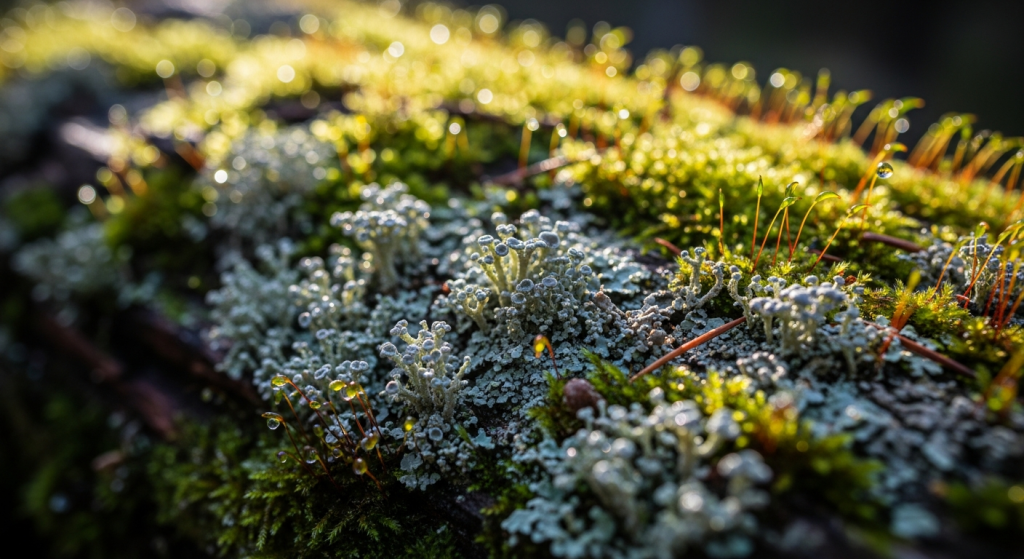
Mosses and lichens are often overlooked. However, these resilient organisms play a vital role. They are pioneers in ecological succession. They help establish new environments. This article explores their crucial functions.
Pioneers of the Plant World
Mosses and lichens are among the first organisms to colonize bare ground. This includes rocks and degraded soils. They are hardy and can survive harsh conditions. Therefore, they are essential for initiating ecological processes. Their presence signals the beginning of life.
These organisms create the first layer of soil. They break down rocks over time. This process releases essential minerals. As a result, it makes the substrate more hospitable. This is a fundamental step in ecosystem development. Without them, many areas would remain barren.
The Role of Biocrusts
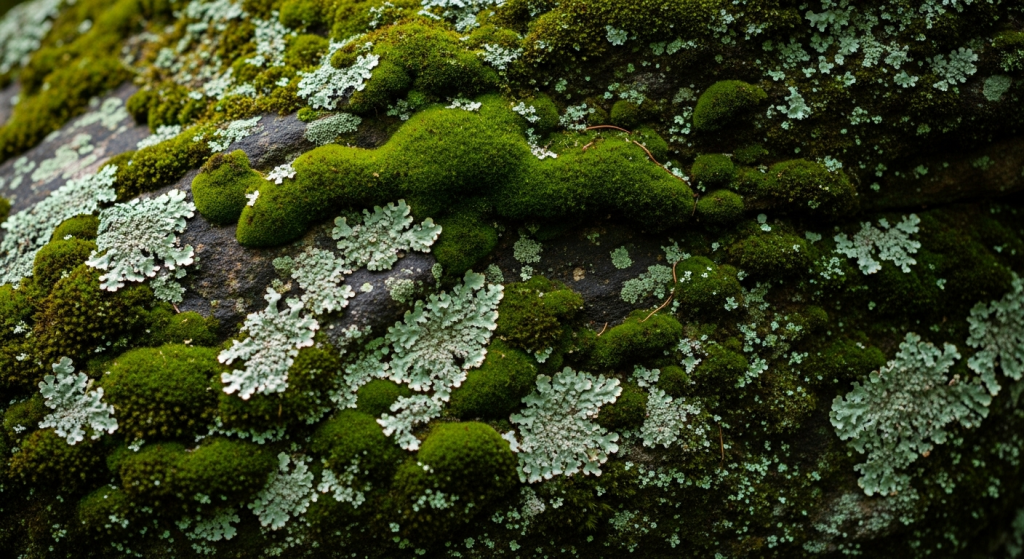
Biocrusts are complex communities. They include cyanobacteria, algae, lichens, bryophytes, and fungi. These communities form a thin layer on the soil surface. They are particularly important in dryland ecosystems. Biocrusts are pivotal for soil stabilization. They also prevent erosion effectively.
Furthermore, biocrusts significantly influence nutrient cycling. They trap atmospheric dust and organic matter. This enriches the soil. They also fix atmospheric nitrogen. This is a crucial nutrient for plant growth. Therefore, biocrusts are foundational for soil health. They enhance soil quality and biodiversity. Researchers are developing artificial biocrusts. These are used for soil management and restoration. They are a nature-based solution. Biocrusts boost soil resilience. They also improve soil health against environmental stressors.
Approximately 12% of terrestrial landscapes are covered by biocrusts. In dry and semi-arid regions, this coverage can reach 25–30%. Their role in maintaining soil health is critical. They prevent degradation and promote restoration. This makes them invaluable in vulnerable environments.
These microbial communities are leveraged for restoration strategies. They improve soil health and rehabilitate degraded lands. Future research is recommended. This research should focus on long-term ecological impacts. It should also explore methods to enhance biocrust functionality.
Seed Trapping and Germination
Lichens and mosses play a key part in seed trapping. Their structure helps to catch seeds. These seeds are carried by wind or water. They then settle within the moss and lichen mats. This provides a protected microenvironment.
Moreover, these mats offer moisture retention. They also provide nutrients. This creates ideal conditions for seed germination. As a result, the seeds are more likely to sprout. This interaction is a crucial part of the lichen-moss-vascular plant relationship. It facilitates the establishment of larger plants.
Nutrient and Water Cycling
Mosses in northern ecosystems are ubiquitous. They are a common part of plant communities. Crucially, they strongly influence nutrient cycling. They also impact carbon and water cycling. Mosses have a high water-holding capacity. This helps retain moisture in the soil. This is especially important in dry or arid conditions.
They absorb and release nutrients slowly. This prevents nutrient leaching. It also makes nutrients available for other plants. Therefore, mosses act as nutrient reservoirs. They regulate the availability of essential elements.
Epiphytic Communities and Forest Health
Epiphytic lichens and bryophytes are important indicators of forest health. Their presence and diversity depend on the surrounding environment. Tree, stand, and landscape scales all affect these communities. They play a crucial role in promoting lichen and bryophyte richness. They also shape community compositions.
These epiphytes contribute to nutrient cycling within the forest. They absorb atmospheric nutrients. They also capture moisture. This can benefit the host tree. For example, they can influence the microclimate around the tree. This supports biodiversity. Understanding these interactions is key to forest management. The established ecological importance of these organisms is significant.
Nurse Logs: Providing a Nursery
Downed woody debris, especially larger logs, is incredibly important in forests. These are often called “nurse logs.” They provide a unique habitat. Mosses and lichens frequently colonize these logs. This colonization is a critical step in the process.
Nurse logs become enriched with nutrients as they decompose. Mosses and lichens accelerate this decomposition. They also retain moisture. This creates a fertile substrate. Small plants, including tree seedlings, can then establish on them. This is because the logs offer protection. They also provide a readily available nutrient source. Therefore, nurse logs are vital for forest regeneration.
This concept aligns with broader ideas of ecological restoration. Learning how to restore degraded lands is essential for ecosystem recovery.
The Wisdom of Traditional Ecological Knowledge
Indigenous knowledge systems offer profound insights. They highlight the interconnectedness of ecosystems. Dr. Robin Kimmerer, a botanist and member of the Citizen Potawatomi Nation, emphasizes this. Her work integrates traditional ecological knowledge with scientific perspectives. She studies the ecology of mosses. Her book, “Gathering Moss,” explores these connections.
Traditional knowledge recognizes mosses and lichens as integral parts of the environment. They are not just simple plants. They are seen as vital contributors to life. This perspective enriches our understanding. It guides sustainable practices. It emphasizes reciprocal relationships with nature. This approach is crucial for ecological restoration. It offers a holistic view of ecosystem services.
Conclusion
In conclusion, mosses and lichens are far more than just ground cover. They are essential architects of new ecosystems. They initiate soil formation. They trap seeds. They cycle nutrients and water. They support diverse life. From the smallest biocrust to the largest nurse log, their role is undeniable.
Understanding their functions is critical. It informs conservation efforts. It guides restoration projects. These humble organisms lay the groundwork for complex life. Their resilience and adaptability are inspiring. They remind us of nature’s intricate design. Therefore, we must protect and appreciate these foundational species.
Frequently Asked Questions
What are biocrusts and why are they important?
Biocrusts are complex communities of microorganisms like cyanobacteria, algae, lichens, bryophytes, and fungi. They form a thin layer on soil surfaces, particularly in drylands. They are crucial for soil stabilization, preventing erosion, and enhancing nutrient cycling and soil health.
How do mosses and lichens help in seed germination?
Moss and lichen mats trap seeds carried by wind or water. They then provide a protected microenvironment with retained moisture and nutrients, which promotes seed germination and seedling establishment.
What is a nurse log?
A nurse log is a fallen tree that becomes colonized by mosses, lichens, and other organisms. As it decomposes, it creates a fertile and moist substrate, providing a nursery for new plant seedlings to grow.
Can mosses and lichens be used in restoration efforts?
Yes, mosses and lichens are vital for ecological restoration. They can help stabilize soil, improve its fertility, and create conditions for other plants to colonize degraded areas. Artificial biocrusts are also being developed for this purpose.
How do epiphytic lichens and bryophytes indicate forest health?
Epiphytic lichens and bryophytes are sensitive to air quality and environmental conditions. Their diversity and abundance can serve as indicators of a healthy forest ecosystem, reflecting good air quality and stable microclimates.
