
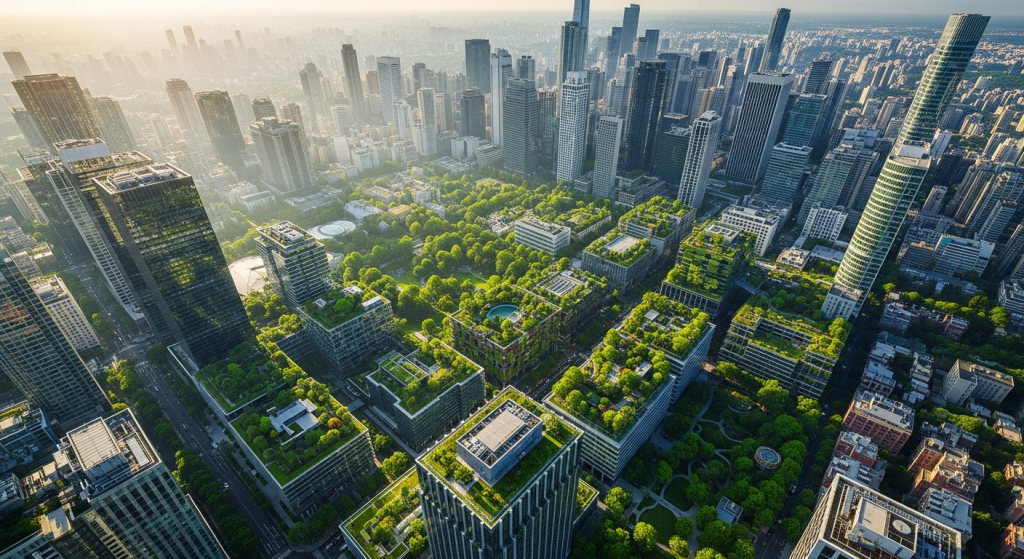
Cities are growing. Urbanization is a reality. However, we can make our cities more alive. Urban green spaces are key. They offer vital habitats. They support a rich variety of life. This article explores how to maximize biodiversity in these spaces. It’s crucial for urban planners, city officials, and landscape designers.
The Ecological Importance of Urban Green Spaces
Urban green spaces are more than just pretty parks. They are ecological powerhouses. They harbor biodiversity. This is true even in dense urban areas. These spaces act as ecological refuges. They provide essential resources for wildlife. Therefore, their design and management are critical.
Green spaces are linked to biodiversity. This connection is well-established. They offer food and shelter. They also provide breeding grounds. This is why maximizing their ecological function is vital. It benefits both nature and city dwellers.
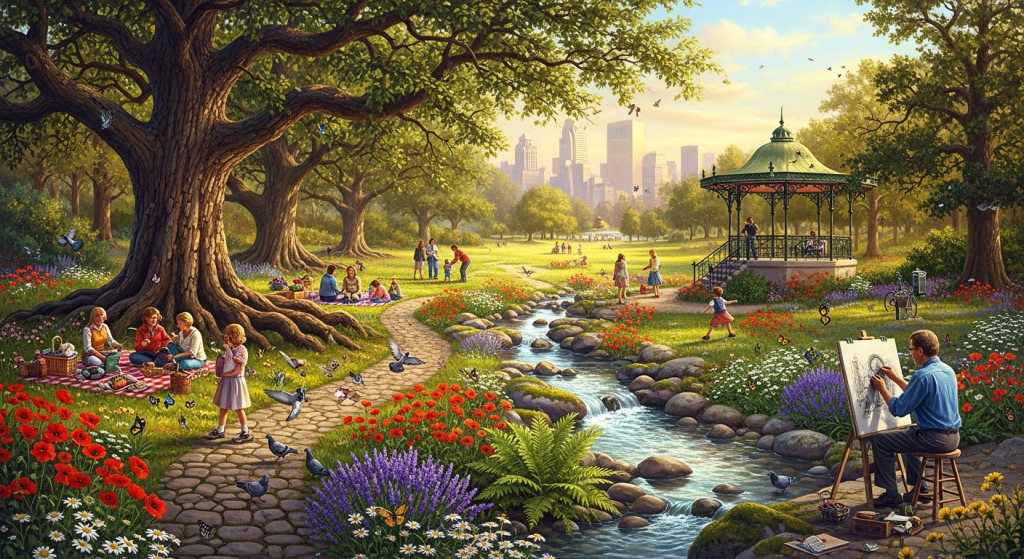
Understanding Biodiversity in the Urban Context
Biodiversity refers to the variety of life. This includes all living things. It spans from tiny microbes to large mammals. In cities, this variety can be surprisingly high. However, it often faces unique challenges. These challenges stem from human activity. Urban environments are often fragmented. They also experience pollution and habitat loss.
Understanding urban biodiversity is fundamental. It helps us identify key ecological principles. These principles guide effective green space design. For example, bird species richness is higher in larger parks. This is a key finding from studies in Paris. Larger parks offer more diverse habitats. They also provide greater resources. Therefore, size matters for supporting wildlife. Larger parks and park centers tend to have higher bird species richness.
Factors Influencing Urban Biodiversity
Several factors shape biodiversity in cities. The type and size of green spaces are important. So is their connectivity. Habitat diversity within a patch also plays a role. Managers of urban parks often try to maximize this. They aim to create varied environments. This approach is similar to how homeowners manage their gardens. Most parks attempt to maximize habitat diversity within their boundaries.
The public-private divide can also influence biodiversity. Seasonal variations in green spaces matter too. These elements shape the availability of resources. They also affect species’ life cycles. Understanding these dynamics is key to effective planning.
Strategies for Maximizing Biodiversity
Maximizing biodiversity requires a strategic approach. It involves thoughtful design and ongoing management. The goal is to create urban ecosystems that thrive.
Creating Diverse Habitats
Habitat diversity is paramount. It means offering a range of environments. This caters to different species’ needs. Consider features like:
- Native plant species: They support local insects and birds.
- Water features: Ponds, streams, and even bird baths are vital.
- Diverse vegetation structure: Include trees, shrubs, and ground cover.
- Undisturbed areas: Patches of long grass or leaf litter provide shelter.
The selection of plants is crucial. Native plants are often best. They are adapted to local conditions. They also support native insect populations. These insects, in turn, feed birds and other animals. This creates a robust food web. Furthermore, understanding the interconnectedness of ecosystems can be enhanced by learning about mycorrhizal networks, the hidden plant communication systems.
Enhancing Connectivity
Isolated green spaces are less effective. Connectivity between them is vital. This allows wildlife to move freely. It also helps maintain genetic diversity. Green corridors, like tree-lined streets or vegetated verges, are important. They link larger parks and smaller green patches. This creates a more resilient urban ecosystem. Maximizing bird diversity in urban areas often depends on these connections.
Consider wildlife bridges or underpasses. These help animals cross roads safely. This mitigates the danger of road mortality. Wildlife bridges are essential for safer crossings.
Managing for Wildlife
Effective management is ongoing. It requires a shift in perspective. Instead of manicured lawns, think wilder. Reduced mowing frequency can help. Allowing leaf litter to accumulate provides habitat. Creating log piles offers shelter for insects and small mammals.
Minimizing pesticide use is also crucial. Pesticides harm beneficial insects. They can also poison birds and other wildlife. Integrated Pest Management (IPM) is a better approach. This aligns with principles of sustainable design. It also contributes to healthier urban soils. You can learn more about how certain plants can clean up contaminated soil, which is a related ecological benefit.
The Role of Water
Water is essential for all life. Urban green spaces should incorporate water features. Even small features can make a big difference. Bird baths, small ponds, or rain gardens are beneficial. They attract a variety of species. They also help manage stormwater runoff. This is an added ecological benefit.
Case Studies and Best Practices
Cities worldwide are implementing innovative strategies. These examples offer valuable insights.
Paris: Larger Parks, More Birds
The study in Paris highlighted a key trend. Larger parks supported higher bird species richness. This was especially true in the park centers. It suggests that scale matters for biodiversity. Protecting and expanding large urban parks is therefore important. Park size directly correlates with avian biodiversity.
Small Urban Green Spaces: The Power of Oases
Even small green spaces have ecological significance. They can act as urban oases. These small patches provide vital resources. They are important for human well-being too. While large parks are crucial, numerous small spaces collectively contribute. Small urban green spaces are socially and ecologically important.
Integrating Greenery into Urban Fabric
Green interventions can achieve density and greenery simultaneously. This involves strategies like green roofs and living walls. These elements increase the amount of green space. They also provide habitat and ecological benefits. This approach is crucial for densifying cities sustainably.
Challenges and Future Directions
Despite progress, challenges remain. Urban green space management can be complex. Balancing human use with ecological needs is difficult. Noise pollution is another issue. It can negatively impact wildlife. Noise pollution can disrupt breeding and survival.
Future efforts should focus on:
- Increased collaboration: Between landscape designers, urban planners, and ecologists.
- Data-driven design: Using research to inform green space strategies.
- Community engagement: Involving citizens in conservation efforts.
- Policy integration: Ensuring biodiversity goals are part of urban planning.
The goal is to create cities that are not just green, but truly biodiverse. This involves a holistic approach. It recognizes the interconnectedness of urban environments and nature.
Frequently Asked Questions
What are the most important factors for maximizing bird diversity in urban parks?
The most important factors include park size, habitat diversity within the park, and the connectivity of the park to other green spaces. Larger parks generally support more species. Offering a variety of habitats like trees, shrubs, and water sources is also crucial.
Can small urban green spaces truly make a difference for biodiversity?
Yes, absolutely. While large parks are significant, numerous small green spaces, like pocket parks or even well-planted balconies, can collectively act as vital stepping stones and oases for urban wildlife. They provide essential resources and connectivity.
What is the role of native plants in urban biodiversity?
Native plants are foundational. They are adapted to local climates and soils. Crucially, they provide the specific food and shelter that native insects, birds, and other wildlife have evolved to rely on. This supports a healthier local food web.
How can urban planners encourage collaboration for biodiversity goals?
Planners can foster collaboration by creating platforms for dialogue between different disciplines. This includes workshops, joint project initiatives, and integrating ecological considerations into planning frameworks from the outset. Shared goals and understanding are key.
What are some key challenges in managing urban green spaces for biodiversity?
Key challenges include balancing human recreational use with wildlife needs, managing invasive species, mitigating pollution (like noise and light), and securing adequate funding for long-term ecological management. Fragmented ownership and differing management priorities can also be obstacles.
Conclusion
Urban green spaces are indispensable. They are vital for biodiversity. They enhance city resilience. They also improve human well-being. By implementing strategic design and management, we can maximize their ecological potential. This creates healthier, more vibrant cities for all inhabitants, both human and wild.
