
Stress, DNA Repair, and Disease: A Molecular Link
Published on December 31, 2025 by Admin
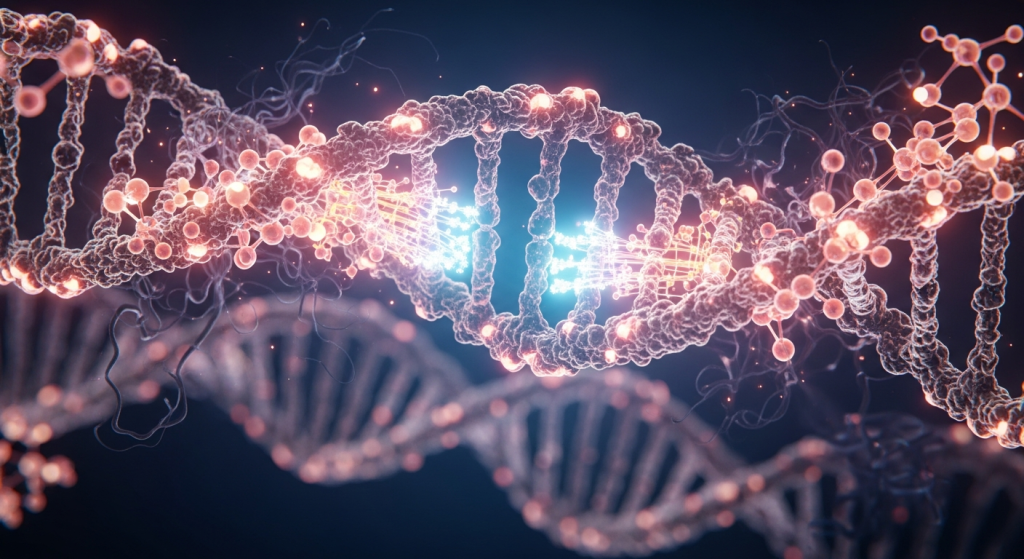
Psychological stress is a pervasive aspect of modern life. While its impact on mental well-being is widely recognized, its deeper biological consequences are increasingly coming to light. Specifically, chronic stress can significantly affect the integrity of our DNA. This article explores the intricate relationship between chronic stress and DNA repair mechanisms, a critical area for psychologists and molecular biologists alike.
Understanding this connection is vital. It offers insights into how our minds influence our physical health at a fundamental molecular level. Furthermore, it opens doors for novel therapeutic strategies. By examining the biological pathways involved, we can better address the risks associated with prolonged stress.
The Stress Response: A Double-Edged Sword
When faced with a threat, our bodies initiate a complex stress response. This involves the activation of the hypothalamic-pituitary-adrenal (HPA) axis and the sympathetic nervous system (SNS). Consequently, stress hormones like cortisol and catecholamines are released into the bloodstream. These hormones are crucial for immediate survival, preparing the body for “fight or flight.”
However, chronic stress means these systems remain activated for extended periods. This sustained exposure to stress hormones can have detrimental effects. It disrupts normal physiological processes. For instance, prolonged catecholamine stimulation can lead to increased DNA damage. This occurs through synergistic pathways that compromise cellular repair systems stress and hormones can increase DNA damage.
How Stress Hormones Impact DNA
Cortisol and catecholamines, while essential in acute situations, can become harmful when levels are chronically elevated. These hormones can directly or indirectly induce DNA damage. For example, catecholamines can activate β2-adrenergic receptors. This activation triggers signaling cascades that lead to DNA breaks and lesions β-adrenergic stimulation leads to DNA damage.
Moreover, these hormones can interfere with the cell’s ability to repair this damage. They can reduce the levels of key proteins involved in DNA repair. This imbalance between damage accumulation and repair capacity creates a cellular environment ripe for mutations. Such mutations are a primary driver of cancer initiation stress may result in cellular transformation.
DNA Damage: The Cellular Scars of Stress
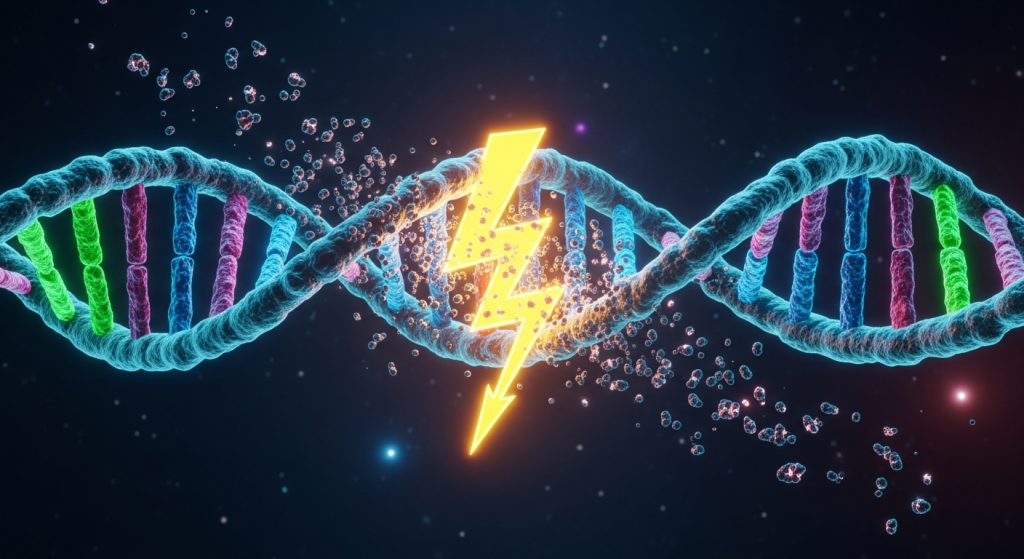
DNA, the blueprint of life, is constantly under assault. Environmental factors, metabolic byproducts, and even normal cellular processes can cause damage. This damage can manifest in various forms, including base modifications, strand breaks, and cross-links. The cell has evolved sophisticated DNA repair mechanisms to counteract this damage.
However, chronic stress can overwhelm these repair systems. It can lead to an increased burden of DNA damage. Organophosphate pesticides, for instance, are known to cause genotoxicity through DNA damage and interference with DNA repair pathways organophosphate pesticide-induced toxicity through DNA damage. While this example involves an external agent, it illustrates the principle that various stressors can compromise DNA integrity.
Types of DNA Damage Induced by Stress
Chronic stress can lead to several types of DNA damage. These include:
- Oxidative DNA damage: Stress hormones can increase the production of reactive oxygen species (ROS). ROS are highly reactive molecules that can damage DNA bases.
- Single-strand breaks (SSBs) and double-strand breaks (DSBs): These are more severe forms of DNA damage. They can arise from oxidative stress or direct chemical insults.
- DNA adducts: These are segments of DNA bound to a cancer-causing chemical.
The accumulation of such damage is a significant risk factor for aging and age-related diseases aging is induced by accumulation of damage. Therefore, understanding how stress exacerbates this damage is crucial.
DNA Repair Mechanisms: The Body’s Defense System
Our cells possess a remarkable array of DNA repair pathways. These pathways work tirelessly to maintain genomic stability. Key repair mechanisms include:
- Base Excision Repair (BER): This pathway corrects damaged bases and single-strand breaks.
- Nucleotide Excision Repair (NER): NER is responsible for removing bulky, helix-distorting DNA lesions.
- Mismatch Repair (MMR): This system corrects errors that occur during DNA replication.
- Double-Strand Break Repair (DSBR): This includes both homologous recombination (HR) and non-homologous end joining (NHEJ). These pathways repair the most dangerous form of DNA damage, DSBs.
These repair systems are tightly regulated. They are often activated in response to DNA damage signals. For instance, p53 is a critical tumor suppressor protein that plays a central role in the DNA damage response. It can halt the cell cycle to allow for repair or initiate apoptosis if the damage is too severe.
Stress’s Interference with Repair Pathways
Chronic stress can profoundly disrupt these vital repair processes. One significant impact is on the p53 pathway. Chronic catecholamine stimulation can lead to the degradation of p53. This occurs through mechanisms involving MDM2 and arrestin beta 1 (ARRB1) ARRB1 facilitates catecholamine-induced p53 degradation. When p53 levels are reduced, the cell’s ability to respond to DNA damage is compromised.
Furthermore, stress can alter the expression and activity of various DNA repair enzymes. This can lead to a reduced efficiency in repairing different types of DNA lesions. Consequently, the likelihood of mutations persisting and accumulating increases. This persistent genomic instability is a hallmark of cancer development.
The Link Between Stress, DNA Damage, and Cancer
The connection between psychological stress, DNA damage, and cancer risk is a growing area of research. While the public has long believed stress contributes to cancer, scientific evidence is now solidifying this link through molecular mechanisms. The hypothesis is that chronic stress, by increasing DNA damage and/or reducing DNA repair efficiency, elevates the risk of mutations that lead to carcinogenesis stress may increase DNA damage and/or reduce repair mechanisms.
This understanding has significant implications. It bridges the gap between psychology and molecular biology. It suggests that interventions targeting stress management could have a tangible impact on cancer prevention. For example, exploring novel approaches for cancer risk reduction at the population level becomes a possibility opening new avenues of translational research.
Mechanisms Linking Stress to Tumorigenesis
Several molecular mechanisms have been proposed to explain how chronic stress promotes tumorigenesis:
- Inflammation: Chronic stress can induce a pro-inflammatory state. Chronic inflammation is known to promote cancer development and progression.
- Epigenetic alterations: Stress can lead to changes in gene expression without altering the underlying DNA sequence. These epigenetic modifications can affect genes involved in cell growth and DNA repair.
- Immune system suppression: Stress can impair immune function, reducing the body’s ability to detect and eliminate precancerous cells.
- Alteration of tumor microenvironment: Stress hormones can remodel the environment around a tumor, making it more conducive to cancer growth and metastasis.
These interconnected pathways highlight the multifaceted impact of stress on cancer biology. They underscore the need for a holistic approach to understanding and combating the disease.
Translational Research: Bridging Disciplines
The study of stress and DNA repair necessitates collaboration between different scientific fields. Psychologists contribute by understanding stress assessment and its subjective experience. Neuroscientists elucidate the neural pathways involved in stress perception and response. Molecular biologists unravel the cellular and genetic consequences of stress.
This interdisciplinary approach is essential for developing effective interventions. For instance, understanding how adrenergic receptor antagonists can improve antitumor activity suggests potential therapeutic targets antagonists targeting adrenergic receptors have beneficial roles. Such research can lead to novel treatments that combine stress management techniques with targeted therapies.
Future Directions for Research
Future research should focus on several key areas:
- Detailed mapping of stress-induced DNA damage pathways: Precisely identifying all the molecular players involved.
- Investigating the long-term effects of stress on DNA repair efficiency: Understanding how chronic stress impacts the aging of our genome.
- Developing biomarkers for stress-induced DNA damage: Identifying measurable indicators that can predict disease risk.
- Testing the efficacy of stress-reduction interventions on DNA repair and cancer risk: Translating laboratory findings into clinical applications.
By fostering this collaborative spirit, we can unlock new avenues for preventing and treating stress-related diseases.
Conclusion: Prioritizing Well-being for Genomic Health
The impact of chronic stress on DNA repair mechanisms is a critical area of study. It reveals a profound link between our psychological state and our cellular integrity. By increasing DNA damage and impairing repair processes, chronic stress can contribute to genomic instability, aging, and an increased risk of diseases like cancer.
For psychologists, this underscores the importance of stress management not just for mental health, but for physical health as well. For molecular biologists, it highlights the intricate molecular crosstalk between the nervous system and the genome. A comprehensive understanding of these pathways paves the way for innovative translational research. This, in turn, promises to enhance cancer risk reduction strategies and promote overall well-being at a population level.
Frequently Asked Questions
How does chronic stress directly cause DNA damage?
Chronic stress leads to elevated levels of stress hormones like cortisol and catecholamines. These hormones can increase the production of reactive oxygen species (ROS), which damage DNA bases. Additionally, catecholamine signaling can directly trigger pathways that lead to DNA strand breaks.
What specific DNA repair mechanisms are affected by stress?
Stress can affect multiple DNA repair pathways. Notably, it can lead to the degradation of the tumor suppressor protein p53, which is crucial for cell cycle arrest and DNA repair. It can also alter the expression and activity of enzymes involved in base excision repair, nucleotide excision repair, and double-strand break repair.
Can reducing stress improve DNA repair capacity?
Yes, emerging evidence suggests that managing stress can positively impact DNA repair. By reducing the levels of stress hormones and mitigating inflammation, stress reduction techniques may help restore the efficiency of DNA repair mechanisms and decrease the accumulation of DNA damage.
What are the implications of this research for cancer prevention?
The research suggests that psychological stress is a modifiable risk factor for cancer. Implementing effective stress management strategies as part of a comprehensive cancer prevention plan could be beneficial. This might involve therapies that reduce stress hormone levels or enhance the body’s natural DNA repair capabilities.
Are there specific types of cancer more linked to stress-induced DNA damage?
While research is ongoing, cancers where genetic mutations play a significant role are likely candidates. This includes many common cancers. The link is based on the general principle that increased DNA damage and impaired repair due to stress can lead to mutations driving tumorigenesis across various cancer types.
