
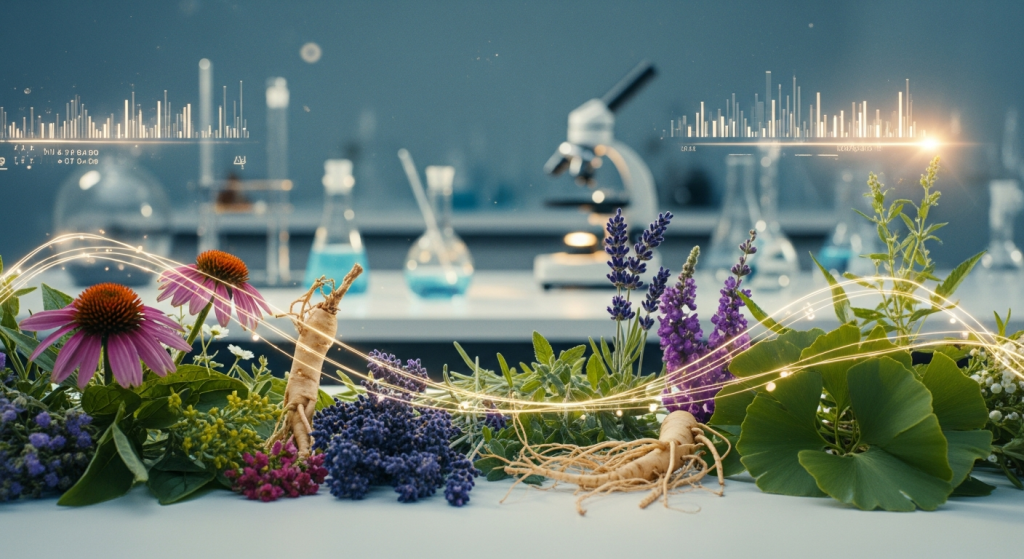
Indigenous communities worldwide have long held a deep understanding of the natural world. This knowledge, passed down through generations, includes extensive use of local flora for healing. However, modern science often overlooks these valuable traditions. This article explores the rich medicinal potential of endemic plants. It highlights how traditional knowledge can intersect with modern scientific research. Furthermore, it discusses the benefits and challenges of this integration for pharmacology, ethnobotany, and biochemistry.
The Enduring Value of Traditional Knowledge
For centuries, indigenous peoples have been custodians of vital ecological wisdom. Their understanding of medicinal plants is profound. They know which plants to use, how to prepare them, and for which ailments. This knowledge is not merely anecdotal; it is a sophisticated system of ethnobotany. It represents a vast, untapped resource for modern medicine. Ignoring indigenous applications may mean neglecting potential therapeutic benefits entirely.
Traditional knowledge often acts as a priceless foundation for contemporary endeavors in drug development. It provides a starting point for identifying promising compounds. This approach can significantly accelerate the discovery of new pharmaceuticals. Therefore, integrating indigenous knowledge into modern science is crucial. It allows for a more comprehensive and effective approach to healthcare.
Ethnobotany: A Bridge Between Worlds
Ethnobotany is the scientific study of the relationship between people and plants. It specifically focuses on how cultures use plants for medicine, food, and other purposes. Indigenous ethnobotanical knowledge is particularly rich. It often details the specific uses of endemic plants. These are plants that grow in a particular region and nowhere else.
The study of endemic plants is vital. These unique species may possess novel chemical compounds. These compounds could have significant pharmacological activity. For example, Sutherlandia frutescens is an indigenous South African plant. It has been traditionally used to treat various health conditions. Modern research is now validating these traditional claims. This process involves identifying its bioactive constituents and conducting clinical trials.

Modern Science and Indigenous Wisdom: A Synergistic Approach
The intersection of traditional knowledge and modern science offers immense potential. It allows for the validation and optimization of ancient remedies. Scientists can study the chemical makeup of plants. They can also investigate their biological effects. This can lead to the development of new drugs and therapies.
For instance, the CSIRO in Australia is collaborating with Indigenous-led businesses. They are using deep tech to explore the potential of native flora. Companies like Ochre Sun are incorporating ancient wisdom into modern skincare. They use botanicals based on traditional knowledge of their skincare and wellbeing benefits. This collaboration highlights how traditional knowledge can drive innovation. It also emphasizes the importance of ethical engagement and protecting Indigenous cultural and intellectual property.
Moreover, integrating indigenous knowledge into modern science can lead to more sustainable practices. Indigenous peoples often have a deep understanding of ecological balance. Their practices promote sustainable resource use. This is crucial for conserving biodiversity. It also ensures that medicinal plants are harvested responsibly. This approach can help prevent the overexploitation of natural resources.
Biochemical Investigations of Endemic Flora
Biochemists play a critical role in this interdisciplinary field. They analyze the chemical constituents of medicinal plants. This involves isolating and identifying active compounds. They then study the structure and function of these molecules. This research can reveal how these compounds exert their therapeutic effects.
For example, research into plants used in traditional medicine has identified numerous pharmacologically active compounds. These include alkaloids, flavonoids, and terpenes. These compounds have shown potential in treating various diseases. This includes cancer, infectious diseases, and inflammatory conditions. The pharmacopoeia of folk societies as well as professional medical systems contain thousands of medicines made from materials found in nature [2, 3].
Understanding the biochemical pathways involved is also important. This helps in understanding the mechanism of action of these plant-derived compounds. It also aids in optimizing their efficacy and safety. This is essential for developing new pharmaceutical products.
Pharmacological Validation and Drug Discovery
Pharmacologists are key to translating traditional knowledge into modern medicine. They conduct rigorous scientific studies to validate the efficacy and safety of medicinal plants. This involves preclinical studies and clinical trials. These studies aim to provide evidence-based support for traditional uses.
Extensive scientific studies are being carried out on the safety, quality, and efficacy of medicinal plants. These studies aim to validate traditional claims. They also aim to elucidate the bioactive constituents and conduct clinical trials. This process can lead to the development of novel drugs. It can also lead to new formulations of existing treatments.
Plant-derived natural products are a significant source for drug discovery. Many existing drugs have their origins in plants. For example, aspirin, derived from willow bark, and digoxin, from foxglove, are well-known examples. The continued exploration of endemic flora holds promise for discovering many more such life-saving compounds.
Challenges and Ethical Considerations
While the potential is immense, there are significant challenges. One major concern is the protection of Indigenous knowledge and rights. It is crucial to ensure that indigenous communities benefit from the commercialization of their traditional knowledge. This includes fair benefit-sharing mechanisms. Respectful collaboration and the protection of Indigenous cultural and intellectual property are paramount.
Another challenge is the sustainability of harvesting. Many medicinal plants are wild-harvested. Overharvesting can lead to the depletion of plant populations. This can also threaten biodiversity. Therefore, sustainable harvesting practices and cultivation methods are essential. Community gardens and commercial farming of medicinal plants can help mitigate these risks.
Furthermore, scientific validation can be a lengthy and expensive process. It requires significant investment in research and development. However, the potential rewards, in terms of new medicines and improved health outcomes, are substantial. The collaboration between Indigenous communities, scientists, and policymakers is key to navigating these challenges.
Case Study: Sutherlandia frutescens
Sutherlandia frutescens, often called “cancer bush,” is a prime example of traditional knowledge meeting modern science. This plant is indigenous to the Cape Floristic Region of South Africa, an area known for its rich plant diversity. Traditional healers have used it for centuries to treat a wide range of ailments, including cancer, diabetes, and respiratory infections.
Modern research has begun to investigate its therapeutic properties. Studies are exploring its potential as an anti-inflammatory, antioxidant, and even anti-cancer agent. The plant contains various bioactive compounds, such as flavonoids, saponins, and amino acids. These compounds are believed to contribute to its medicinal effects. Ongoing clinical trials are further evaluating its safety and efficacy. This exemplifies how science can validate and refine traditional healing practices.
The Importance of Biodiversity for Health
The link between biodiversity and human health is undeniable. Intact ecosystems provide essential services, such as clean air and water. Biodiversity also underpins the availability of medicinal resources. Many of the world’s populations rely on traditional medicines derived from plants and animals [6]. Therefore, protecting biodiversity is not just an environmental issue; it is a public health imperative.
Human impacts on ecosystems and biodiversity pose significant risks to human health. Biodiversity loss can lead to less resilient ecosystems. These ecosystems are more vulnerable to shocks and disturbances. They are also less able to supply humans with needed services. This includes the provision of medicinal resources. The loss of plant species means the potential loss of future medicines.
Indigenous Peoples are often key stewards of biodiversity. They manage vast areas of land that contain much of the planet’s biodiversity. Their traditional practices often promote ecological balance and sustainability. Safeguarding these ecosystems and respecting the rights of Indigenous Peoples is crucial for both environmental conservation and human well-being.
Future Directions and Opportunities
The future of drug discovery and development can be significantly enhanced by embracing traditional knowledge. This requires a multidisciplinary approach. It involves collaboration between pharmacologists, ethnobotanists, biochemists, and indigenous communities.
Key areas for future focus include:
- Systematic documentation and validation of traditional knowledge.
- Advanced biochemical analysis to identify novel bioactive compounds.
- Rigorous pharmacological studies to establish efficacy and safety.
- Development of sustainable harvesting and cultivation methods.
- Ensuring equitable benefit-sharing with indigenous communities.
- Integrating traditional medicine into public health frameworks where appropriate.
By fostering these collaborations, we can unlock the full medicinal potential of endemic plants. This can lead to the discovery of new treatments for diseases. It can also promote a more holistic and sustainable approach to healthcare. The synergy between ancient wisdom and modern science offers a promising path forward.
Conclusion
The medicinal potential of endemic plants, guided by traditional knowledge and validated by modern science, represents a frontier in healthcare. Ethnobotanical research, coupled with biochemical and pharmacological investigations, can uncover novel therapeutic agents. Protecting indigenous rights and ensuring sustainable practices are crucial for this endeavor. Ultimately, this integration offers a powerful pathway to discovering new medicines and improving global health.
Frequently Asked Questions (FAQ)
What is ethnobotany and why is it important?
Ethnobotany is the study of how people use plants. It is important because it documents and preserves traditional knowledge about medicinal plants. This knowledge can lead to the discovery of new drugs and treatments.
How does traditional knowledge help modern science?
Traditional knowledge provides a valuable starting point for scientific research. It identifies plants with potential medicinal properties. This can significantly speed up the drug discovery process. It also offers insights into how these plants are used effectively.
What are the ethical considerations when working with indigenous medicinal plants?
Ethical considerations include respecting intellectual property rights of indigenous communities. It also involves ensuring fair benefit-sharing from any commercialization of their knowledge or resources. Proper consent and collaboration are essential.
What is the role of biodiversity in medicine?
Biodiversity is crucial for medicine because it provides a vast source of natural compounds. Many medicines are derived from plants and other organisms. Protecting biodiversity ensures the continued availability of these resources for future drug discovery.
Can traditional remedies replace modern medicine?
Traditional remedies can complement modern medicine. However, they should not necessarily replace it. Rigorous scientific validation is needed to ensure their safety and efficacy. For serious conditions, consulting healthcare professionals is always recommended.
