Plant Adaptation: Thriving in Extreme Environments
Published on December 31, 2025 by Admin
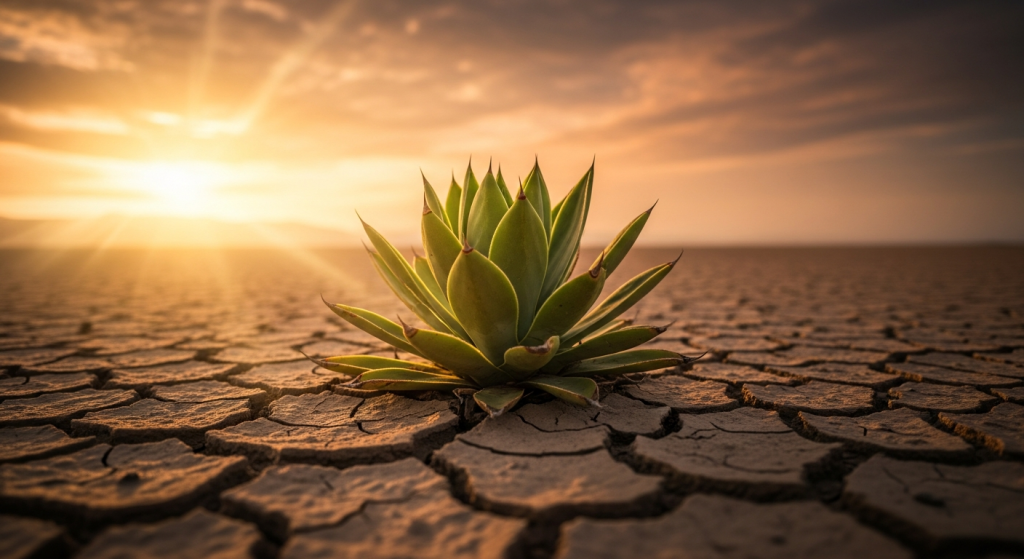
Plants are incredibly resilient. They face harsh conditions daily. Extreme environments test their limits. Think of scorching deserts or frozen tundras. Plants have evolved amazing ways to survive these places. This article explores the science behind their adaptation. We will look at how natural selection shapes plant life in tough settings.
Understanding plant adaptation is crucial. It helps us grasp ecosystem function. It also informs us about climate change impacts. Plants don’t move quickly. This makes them vulnerable to environmental shifts. Therefore, studying their adaptations is vital. It offers insights into evolutionary processes. It also guides conservation efforts.

The Power of Natural Selection in Plants
Natural selection is a core engine of evolution. It favors traits that enhance survival and reproduction. In extreme environments, these selective pressures are intense. Plants with advantageous traits are more likely to thrive. They pass these traits to their offspring. Over generations, this leads to significant adaptation.
Dr. Diana Tataru studies monkeyflowers. These plants are a great model system. They live in diverse environments. Some grow in wet meadows. Others cling to rocky outcrops. This adaptability makes them perfect for studying evolution. She investigates how natural selection varies across space and time. She also looks at gene flow’s impact. Gene flow can influence adaptation. Sometimes species become more different. Sometimes they become more similar. This dynamic process is key to understanding evolution.
Extreme environments present unique challenges. These include extreme temperatures. They also include limited water and poor soil. For instance, high-elevation environments are tough. Plants there must withstand freezing. They also need to cope with thin air. Rocky areas offer little moisture. Yet, plants find ways to persist.
Surviving the Extremes: Key Adaptations
Plants have developed diverse strategies. These strategies help them survive harsh conditions. For example, some plants have deep root systems. These roots can reach scarce water sources. Others have waxy leaves. This reduces water loss through transpiration.
Many plants in dry areas have small leaves. Some even have no leaves at all. They might perform photosynthesis in their stems. This conserves water effectively. In cold regions, plants may have short growing seasons. They often grow close to the ground. This protects them from harsh winds. Some plants can also tolerate high salt concentrations. This is common in coastal or arid regions.
Phenotypic plasticity is another crucial adaptation. This is the ability of an organism to change its phenotype. It happens in response to environmental changes. Not all species can shift their plastic responses rapidly. This can be a challenge in a changing climate. Some species struggle to adapt quickly to climate change.
Case Studies: Plants in Challenging Habitats
Let’s look at specific examples. Consider desert plants. Cacti are a prime example. They store water in their fleshy stems. Their spines are modified leaves. These reduce water loss and deter herbivores. Many desert plants also have short life cycles. They bloom and set seed rapidly after rains.
Alpine plants face different challenges. They endure low temperatures and high UV radiation. The genome of Crucihimalaya himalaica, found on the Qinghai-Tibet Plateau, shows adaptation to these conditions. This relative of Arabidopsis has expanded gene families. These are linked to DNA repair and ubiquitin-mediated proteolysis. It also shows signs of positive selection in genes related to adaptation to intense radiation and low temperatures.
The Zingiberaceae family also shows adaptation. Some species thrive in extreme environments. Their evolutionary history is linked to geological and climatic events. For instance, the uplift of the Tibetan Plateau played a role. Divergence times suggest these events influenced their diversification.
Urban Environments: An Unexpected Laboratory
Surprisingly, urban environments can also be extreme. Human civilization creates new pressures. Habitat destruction is a major factor. The use of pesticides is another. However, many plant species adapt to urban challenges. They thrive near human populations.
Cities offer unique selective pressures. These include altered soil composition. They also include increased pollution. Some plants have adapted to these conditions. They may grow on rooftops or along roadsides. These rapid adaptations provide insights. They illuminate evolutionary and selective processes. Cities act as ideal laboratories for studying natural selection.
Green roofs are a good example. They can support diverse plant and insect life. This demonstrates how artificial environments can be enhanced. Conservation initiatives can create habitats even in cities.
The Role of Genetics and Gene Flow
Adaptation is fundamentally genetic. Natural selection acts on variations within populations. These variations arise from mutations. They are also shuffled through sexual reproduction.
Gene flow can either help or hinder adaptation. Gene flow is the movement of genes between populations. If a population is adapting to a specific extreme, gene flow from a different environment might be detrimental. It can introduce less adapted genes. However, gene flow can also introduce beneficial alleles. This can speed up adaptation in novel environments.
Dr. Tataru’s research on monkeyflowers highlights this. She studies how gene flow impacts response to varying selection. Understanding this dynamic is key. It explains how species maintain or change their adaptations.
Challenges and Future Directions
Climate change is accelerating. This poses a significant threat to many plant species. Some plants cannot adapt quickly enough. This can lead to local extinctions. Even limiting warming to 2°C could cause extinctions. Up to half the species in biodiverse areas could go extinct by 2100 if temperatures rise by 4.5°C.
The growing season can be short in some extreme environments. Plants might germinate too early. Then, they can be killed by frost. Snowmelt can also dry out too quickly. This kills plants before they can flower. These are humbling lessons from nature.
Future research will focus on several areas. Understanding the genetic basis of adaptation is crucial. This includes identifying specific genes. It also involves studying gene expression patterns. Furthermore, researchers are exploring the role of microbes. Microbes can influence plant adaptation. They can form symbiotic relationships. These can help plants cope with stress.
Conservation efforts will rely on this knowledge. We need to protect vulnerable species. We also need to promote resilience. This might involve restoring habitats. It could also involve assisted migration for some species. Learning from plants that thrive in extreme conditions is essential. It offers hope for a changing planet.
Frequently Asked Questions
What is natural selection in plants?
Natural selection in plants is the process where plants with traits better suited to their environment are more likely to survive and reproduce. Over time, these advantageous traits become more common in the population.
How do plants adapt to drought?
Plants adapt to drought in many ways. Some develop deep root systems to access water. Others have waxy leaves to reduce water loss. Many desert plants have small leaves or perform photosynthesis in their stems.
Can plants adapt to extreme cold?
Yes, plants have evolved adaptations for extreme cold. These include developing antifreeze proteins. They can also enter dormancy during winter. Some alpine plants grow low to the ground for protection.
What is phenotypic plasticity in plants?
Phenotypic plasticity is a plant’s ability to change its physical or biochemical characteristics. This change occurs in response to environmental conditions. For example, a plant might grow larger leaves in shade than in full sun.
Why are urban environments considered extreme for plants?
Urban environments present unique challenges. These include compacted soil, pollution, altered water availability, and heat island effects. However, some plants have successfully adapted to these conditions.
Conclusion
Plants are masters of adaptation. They have evolved remarkable strategies. These allow them to survive and thrive in the harshest environments. From the driest deserts to the highest mountains, their resilience is inspiring. Natural selection is the driving force. It favors traits that enhance survival and reproduction.
Research continues to uncover the complexities. Genetics, gene flow, and even symbiotic microbes play roles. Understanding these mechanisms is vital. It helps us predict how plants will respond to climate change. It also guides our conservation efforts. By studying these botanical survivors, we gain deeper insights. We learn about evolution’s power. We also find hope for biodiversity’s future.