
Synthetic Fertilizers: A Threat to Long-Term Soil Health
Published on December 31, 2025 by Admin

Soil is the foundation of our food system. It supports plant life and sustains ecosystems. For generations, farmers have relied on various methods to enrich their soil. Today, synthetic fertilizers are widely used. They boost crop yields quickly. However, their long-term impact on soil fertility is a growing concern.
This article explores the detrimental effects of synthetic fertilizers. We will examine how they degrade soil over time. We will also discuss the importance of sustainable alternatives. This information is vital for environmental scientists and organic farming advocates.
The Rise of Synthetic Fertilizers
Synthetic fertilizers became popular during the Green Revolution. They provide essential nutrients like nitrogen, phosphorus, and potassium directly to plants. This led to significant increases in agricultural productivity. Global food demand could be met more easily. Farmers adopted them widely due to their immediate results and convenience.
These chemical compounds are manufactured through industrial processes. For example, ammonia synthesis is a key step. This process relies on fossil fuels. While effective in the short term, this reliance has significant environmental implications. The convenience of readily available nutrients often overshadows the long-term consequences.
How Synthetic Fertilizers Harm Soil Fertility
Synthetic fertilizers nourish the crops, not the soil itself. This is a crucial distinction. Organic fertilizers, on the other hand, nourish both crops and soil. They add organic matter back into the soil. This organic matter is essential for soil health and structure.
The continuous use of synthetic fertilizers can lead to several problems:
- Soil Degradation: Over time, synthetic fertilizers degrade soil quality. They can strip the soil of its natural vitality. This makes it harder for soil to regenerate and sustain plant growth. Long-term soil degradation decreases its ability to support agriculture. This ongoing soil degradation is decreasing the long-term ability of soils.
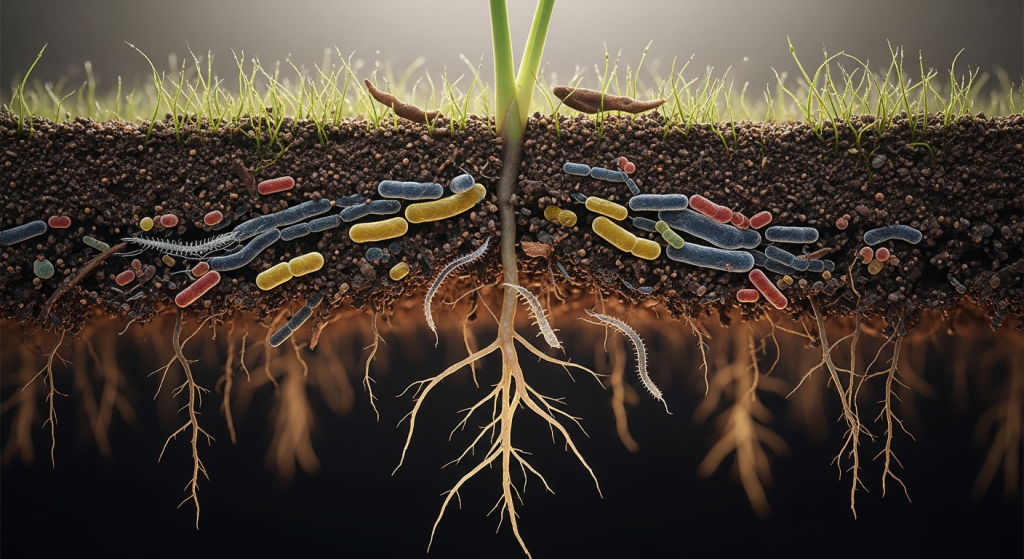
- Microbial Imbalance: Soil is teeming with microorganisms. These microbes play vital roles in nutrient cycling and decomposition. Synthetic fertilizers can disrupt this delicate balance. They weaken or kill beneficial soil organisms. This biological imbalance reduces the soil’s natural functions. Microbial activity in cropping systems can become low.
- Acidification: Many synthetic fertilizers, especially those containing ammonium, can acidify the soil. The process of nitrification releases hydrogen ions. This lowers the soil’s pH. Acidic soils inhibit nutrient uptake by plants. They also harm beneficial soil organisms.
- Nutrient Imbalances: Excessive or unbalanced application of synthetic fertilizers can create nutrient imbalances. For instance, high nitrogen levels can boost growth but reduce the availability of other essential nutrients. This can affect overall plant health.
- Reduced Organic Matter: Synthetic fertilizers do not contribute organic matter to the soil. Organic matter is crucial for soil structure, water retention, and microbial support. When synthetic fertilizers replace organic amendments, the soil’s carbon content declines.
The Impact on Soil Microorganisms
Soil microbes are the unsung heroes of healthy soil. They break down organic matter. They make nutrients available to plants. They also help build soil structure. Synthetic fertilizers can negatively impact these vital organisms.
For example, long-term chemical fertilization has been shown to alter soil microbiological properties. It can lead to a decrease in beneficial bacteria and fungi. Naturally grown plants often support a richer diversity of beneficial microbes. These include genera like Burkholderia, Nitrospira, and Trichoderma. These microbes are associated with nutrient cycling and plant health. The presence of these bacterial and fungal genera has been associated with nutrient cycling and plant health.
Soil Structure and Compaction
Healthy soil has a good structure. It is crumbly and allows for air and water penetration. Synthetic fertilizers can contribute to soil hardening. This reduces its ability to absorb water. It also makes it more prone to compaction. Compacted soil restricts root growth. It hinders water infiltration and aeration.
This hardened soil structure reduces overall soil fertility. It creates a cycle where farmers may need to apply even more fertilizers to achieve the same results. This dependence exacerbates the problem.
Environmental Consequences Beyond the Field
The negative effects of synthetic fertilizers extend beyond the farm. Leaching and runoff are major concerns. Excess nutrients, particularly nitrates, can seep into groundwater. They can also be carried by rainwater into rivers, lakes, and oceans.
This nutrient pollution leads to eutrophication. Algal blooms consume oxygen in the water. This harms aquatic life. It can create dead zones. Furthermore, nitrates in drinking water pose health risks. This is especially true for infants, potentially causing methemoglobinemia, or “blue baby syndrome.” Nitrates in drinking water pose serious health risks.
Additionally, the production of synthetic fertilizers is energy-intensive. It often relies on fossil fuels. This contributes to greenhouse gas emissions. There is also a high risk of greenhouse gas emissions associated with their use. Synthetic fertilizers have a high risk of leaching and greenhouse gas emissions.
The Case for Organic and Sustainable Alternatives
Given the drawbacks of synthetic fertilizers, organic and sustainable practices are gaining traction. These methods focus on building long-term soil health. They work with natural processes. They aim to create a more resilient agricultural system.
What are Organic Fertilizers?
Organic fertilizers are derived from natural sources. These include decomposed plant matter, animal waste, and compost. Soil bacteria break down these materials. They then release soluble nutrients that plants can absorb. This process nourishes both the plant and the soil.
Organic fertilizers generally have lower nutrient concentrations. This means larger amounts may be needed. However, their slow-release nature is beneficial. It provides nutrients over a longer period. This reduces the risk of nutrient imbalances and leaching. They also add valuable organic matter to the soil.
Benefits of Organic Fertilizers
- Improved Soil Structure: Organic matter enhances soil aggregation. This leads to better aeration, water infiltration, and drainage.
- Enhanced Microbial Activity: Organic fertilizers feed beneficial soil microbes. This supports a healthy soil ecosystem.
- Sustained Nutrient Release: Nutrients are released gradually, matching plant needs. This prevents rapid spikes and losses.
- Reduced Environmental Risk: The risk of nutrient leaching and water pollution is significantly lower.
- Increased Biodiversity: Healthy soil supports a wider range of organisms, contributing to ecosystem resilience.
Regenerative Agriculture Practices
Regenerative agriculture is a holistic approach. It aims to improve soil health and ecosystem function. It goes beyond simply sustainability. It seeks to actively restore degraded land. Key practices include:
- Cover Cropping: Planting crops during off-seasons protects the soil. It prevents erosion and adds organic matter.
- Crop Rotation: Alternating crops helps break pest cycles. It also diversifies nutrient uptake.
- Composting: Using compost adds rich organic matter and beneficial microbes.
- Reduced Tillage: Minimizing soil disturbance preserves soil structure and microbial communities.
- Integrated Nutrient Management: This combines organic and inorganic fertilizers judiciously. It aims to optimize nutrient use and minimize waste.
Practices like these are crucial for long-term soil fertility. They build a foundation for resilient food production. You can learn more about these principles in our article on Regenerative Agriculture: Healing Earth, Nourishing Futures.
The Long-Term Outlook
The reliance on synthetic fertilizers has fueled agricultural production for decades. However, the cumulative impact on soil health cannot be ignored. Soil degradation is a serious threat to future food security. Restoring degraded soils is a complex and lengthy process.
As noted, long-term chemical fertilizers can limit ecosystem functioning. This is due to changes in soil chemical and microbiological properties. Soil chemical and microbiological properties are changed by long-term chemical fertilizers that limit ecosystem functioning.
Therefore, a shift towards more sustainable practices is essential. This includes embracing organic fertilizers and regenerative agriculture. These approaches prioritize soil health. They ensure the long-term viability of our agricultural systems. They also protect the environment for future generations.
Frequently Asked Questions
What are the main differences between organic and synthetic fertilizers?
Organic fertilizers come from natural sources like plant and animal waste. They nourish the soil and release nutrients slowly. Synthetic fertilizers are chemically manufactured. They provide nutrients quickly but can harm soil health over time.
Can synthetic fertilizers be used safely?
Synthetic fertilizers can be used, but with caution. Applying them in appropriate amounts and using variable rate application (VRA) technology can minimize harm. Integrated nutrient management, which combines organic and inorganic approaches, is also recommended.
How do synthetic fertilizers affect soil microbes?
Synthetic fertilizers can disrupt the soil microbiome. They often reduce the diversity and activity of beneficial bacteria and fungi. This weakens the soil’s natural ability to cycle nutrients and decompose organic matter.
What are the environmental risks associated with synthetic fertilizers?
Environmental risks include nutrient pollution of waterways (eutrophication), potential contamination of drinking water with nitrates, and contributions to greenhouse gas emissions from production and use.
Why is soil organic matter important?
Soil organic matter is crucial for soil structure, water retention, nutrient availability, and supporting a healthy soil microbial community. It acts like a sponge, holding onto water and nutrients.
Conclusion
The long-term use of synthetic fertilizers poses a significant threat to soil fertility. While they offer short-term gains in crop yield, their detrimental effects on soil structure, microbial life, and the environment are substantial. Transitioning to organic fertilizers and adopting regenerative agriculture practices is not just an option, but a necessity for ensuring sustainable food production and a healthy planet.
By understanding the profound impact of our choices on the soil beneath our feet, we can cultivate a future where agriculture thrives in harmony with nature. This shift is vital for the health of our ecosystems and the well-being of future generations.
