The Hidden Universe: Soil Microbes Powering Our Planet
Published on December 31, 2025 by Admin
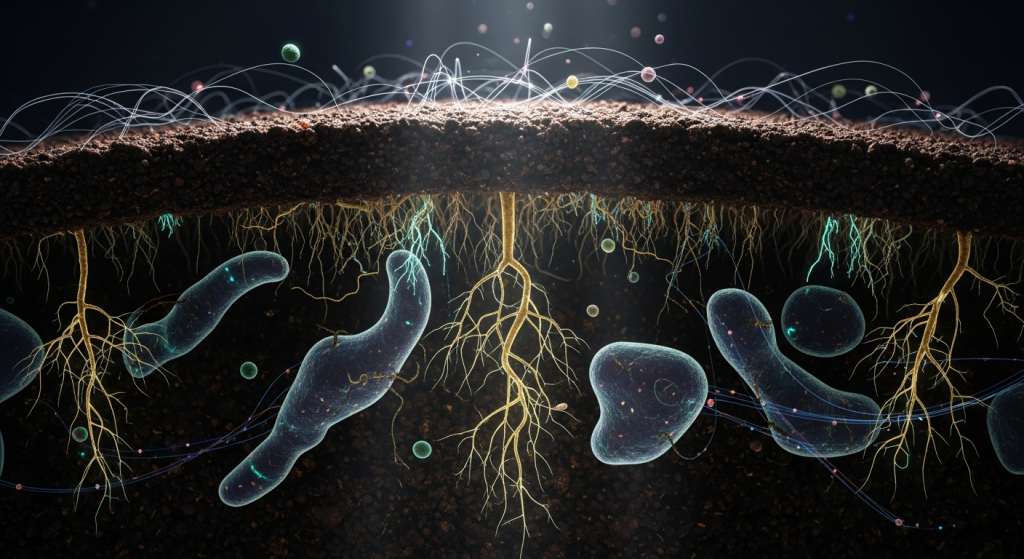
Beneath your feet lies a universe. It’s a vibrant, bustling world teeming with life. This is the soil microbiome. It’s a complex ecosystem. Trillions of tiny organisms call it home. These microorganisms are essential. They are crucial for plant growth. They also play a vital role in nutrient cycling. Furthermore, they impact overall soil health. Understanding this hidden world is key. It is especially important for soil scientists and regenerative farmers. This knowledge can transform agricultural practices. It can lead to more sustainable and productive systems.

What is the Soil Microbiome?
The term “microbiome” refers to a community. This community consists of microorganisms. These tiny life forms inhabit various environments. This includes our bodies and plants. It also includes oceans and, of course, soil. The soil microbiome is particularly fascinating. It is made up of bacteria, fungi, archaea, and other microbes. These organisms are incredibly diverse. In fact, the diversity is comparable to a rainforest or coral reef . One gram of soil, less than a teaspoon, can contain around a kilometer of fungal filaments alone.
These soil microorganisms are not just passive residents. They are active participants. They engage in complex biochemical processes. These processes have far-reaching effects on soil health and function . They form intricate relationships. These relationships are vital for the soil’s ecosystem. They work in close partnership with plants. This partnership orchestrates healthy plant growth.
The Crucial Roles of Soil Microorganisms
Soil microbes are nature’s workhorses. They perform many essential functions. These functions are fundamental to life on Earth. Let’s explore some of their key roles.
Nutrient Acquisition and Cycling
Plants need nutrients to grow. Soil microbes are key to making these nutrients available. They act as nature’s recycling crew. They break down dead organic matter. This includes fallen leaves and animal residues. This decomposition process releases essential nutrients. Nitrogen and phosphorus are prime examples. These nutrients are then readily absorbed by plants.
This process is vital for plant health and growth. A diverse and thriving soil microbiome fosters stronger, more resilient plants. Without these microbial helpers, many nutrients would remain locked away. They would be inaccessible to plants. This is why healthy soil ecosystems lead to increased plant productivity. This, in turn, promotes a more abundant harvest.
For instance, bacteria play a pivotal role. They are involved in nutrient transformation. This includes processes like nitrogen fixation and denitrification. Fungi, on the other hand, form symbiotic relationships with plants. These relationships enhance nutrient uptake and disease resistance . This tripartite interaction between plants, soil, and microbes is fundamental for sustainable agricultural practices .
Soil Structure and Water Retention
Soil microbes are also architects. They build the very structure of healthy soil. They produce substances that act like cement. This cement binds mineral particles together. This creates pores and passages within the soil. These passages allow water, oxygen, and nutrients to move freely. This improved soil structure leads to better drainage. It also enhances water retention. As a result, plants are better able to thrive, even during dry periods.
The tiny clumps built by microbes become building blocks. Soil animals then use these blocks. They construct larger labyrinths. This intricate, self-organizing architecture is resilient. It helps soil resist droughts and floods. In contrast, poor land management practices can disrupt this structure. Excessive tillage and the overuse of chemicals can damage it.
Plant Protection
Beyond nutrient provision, soil microbes offer protection. They act as a natural defense system for plants. They safeguard plants from harmful pathogens. These pathogens can cause diseases and reduce crop yields. Beneficial soil microorganisms can suppress these harmful organisms. They help maintain a healthy balance within the soil ecosystem.
This protective role is crucial. It reduces the need for synthetic pesticides. This aligns with more sustainable and environmentally friendly farming approaches. By fostering a healthy microbial community, we enhance a plant’s natural defenses.
Understanding Soil Microbiology
Soil microbiology is the scientific study. It focuses on these microbial communities. It examines their impact on soil properties. This field is crucial for several reasons. It helps us understand how soil composition influences plant life. It also reveals how microbial diversity affects soil functions. Ultimately, it is key to understanding soil health itself.
Historically, microbial ecology has evolved significantly. From culture-based methods to genome-based approaches, our understanding has deepened . The use of cutting-edge technologies allows us to explore these hidden worlds. We can now investigate the functional potential of microbiomes in diverse environments. This includes the soil beneath our feet.
The Plant-Microbe Connection: A Sophisticated Dialogue
Plants and soil microbes engage in a remarkable dialogue. Plants actively communicate with the microbial community. They release sugars into the soil. These sugars are not leaked accidentally. They are deliberately pumped into the ground. Specifically, they are released into the rhizosphere. This is the zone immediately surrounding the plant’s roots.
These sugars are modified. Plants turn some into complex compounds. These compounds are like chemical messages. They are designed to attract specific bacteria. These are the bacteria that promote plant growth. This is a sophisticated language. Only the intended microbes can understand it. This communication helps plants manage their relationships in the soil.
This intricate relationship is a cornerstone of soil health. It is also fundamental to plant productivity. Regenerative farming practices aim to nurture this connection. They focus on building a healthy soil ecosystem. This approach supports a thriving plant-soil-microbe interaction.
Impact of Human Activities on Soil Microbiomes
Unfortunately, human activities can have a significant impact. They can disrupt these delicate soil ecosystems. Deforestation and urbanization are major culprits. Intensive agriculture also poses a threat. Poor land management practices are particularly damaging.
For example, the overuse of chemical fertilizers can harm microbes. Nitrogen fertilizers, under certain conditions, can cause microbes to consume carbon. This carbon is the “cement” that holds the soil structure together. As a result, the pores collapse. The soil becomes compacted and airless. This reduces its fertility and its ability to support life.
Similarly, the excessive use of chemical pesticides can be detrimental. These chemicals often kill beneficial microbes along with pests. This disrupts the natural balance of the soil ecosystem. Minimizing the use of such chemicals is therefore crucial. Focusing on biological controls and natural methods is a better approach.
Conventional farming often relies on synthetic inputs. This can lead to a decline in soil microbial diversity. This, in turn, can reduce soil health and resilience. Regenerative agriculture, on the other hand, seeks to restore and enhance this microbial life. Practices like cover cropping and reduced tillage are beneficial. They help preserve soil structure and support microbial communities.
Sustainable Practices for a Thriving Soil Microbiome
Protecting and enhancing the soil microbiome is essential. This is where sustainable practices come into play. Soil scientists and regenerative farmers are at the forefront of this effort. They understand the value of this hidden universe.
Key Practices Include:
- Minimizing Soil Disturbance: Practices like reduced tillage or no-till farming protect soil structure. This preserves the habitat for beneficial microbes.
- Maintaining Soil Cover: Cover crops and mulching protect the soil surface. They also provide organic matter for microbes to decompose.
- Increasing Organic Matter: Adding compost and organic amendments feeds the soil microbiome. This enhances microbial activity and nutrient cycling.
- Promoting Biodiversity: Diverse cropping systems and the presence of diverse plant life support a wider range of soil microbes.
- Reducing Chemical Inputs: Limiting the use of synthetic fertilizers and pesticides is vital. These can harm beneficial microorganisms and disrupt ecological balance.
These practices work in harmony with nature. They build soil health from the ground up. This leads to more resilient crops. It also results in more sustainable agricultural systems. For example, incorporating organic materials like compost can bolster a lawn’s microbiome. Compost is a treasure trove of microorganisms .
By focusing on these principles, we can cultivate healthier soils. This, in turn, supports healthier plants. It also contributes to a healthier planet. Understanding and nurturing the soil microbiome is not just about farming. It is about safeguarding our future. It is about recognizing the profound connection between the earth beneath our feet and our own well-being. Indeed, soil health is directly linked to human health .
Frequently Asked Questions (FAQ)
What is the primary function of the soil microbiome?
The primary functions of the soil microbiome include nutrient cycling, breaking down organic matter, improving soil structure, and protecting plants from diseases. They are essential for plant health and overall ecosystem functioning.
How do plants communicate with soil microbes?
Plants communicate with soil microbes by releasing specific chemical compounds, primarily sugars, into the soil. These compounds act as signals, attracting beneficial microbes and managing relationships in the rhizosphere.
What are the negative impacts of conventional agriculture on soil microbes?
Conventional agriculture, with practices like excessive tillage and the overuse of synthetic fertilizers and pesticides, can disrupt soil structure, reduce microbial diversity, and harm beneficial microorganisms, leading to soil degradation.
Can the health of the soil microbiome affect human health?
Yes, there is a growing understanding of the connection between soil health and human health. A healthy soil microbiome contributes to nutrient-dense food, which in turn impacts our own gut microbiome and overall well-being.
What are some examples of regenerative farming practices that benefit the soil microbiome?
Regenerative farming practices that benefit the soil microbiome include minimizing soil disturbance (no-till/reduced tillage), maintaining soil cover with cover crops or mulch, increasing organic matter through compost, promoting plant biodiversity, and reducing reliance on synthetic chemicals.
Conclusion
The soil microbiome is a hidden universe. It is a dynamic and complex ecosystem. It is teeming with life beneath our feet. The microorganisms within it are not insignificant. They are the unsung heroes of our planet. They drive vital processes. These processes sustain plant life. They support agricultural productivity. They also contribute to ecosystem health. For soil scientists and regenerative farmers, understanding this hidden world is paramount. By embracing sustainable practices, we can nurture this vital ecosystem. We can ensure healthier soils. We can achieve more resilient agriculture. And ultimately, we can contribute to a healthier planet for generations to come.