Our world is interconnected. Animal, human, and environmental health are not separate issues. They are deeply linked. A threat to one is a threat to all. This is the core idea behind the One Health approach. It is a vital strategy for global health officials, veterinarians, and policymakers. Understanding this connection is crucial for our future.
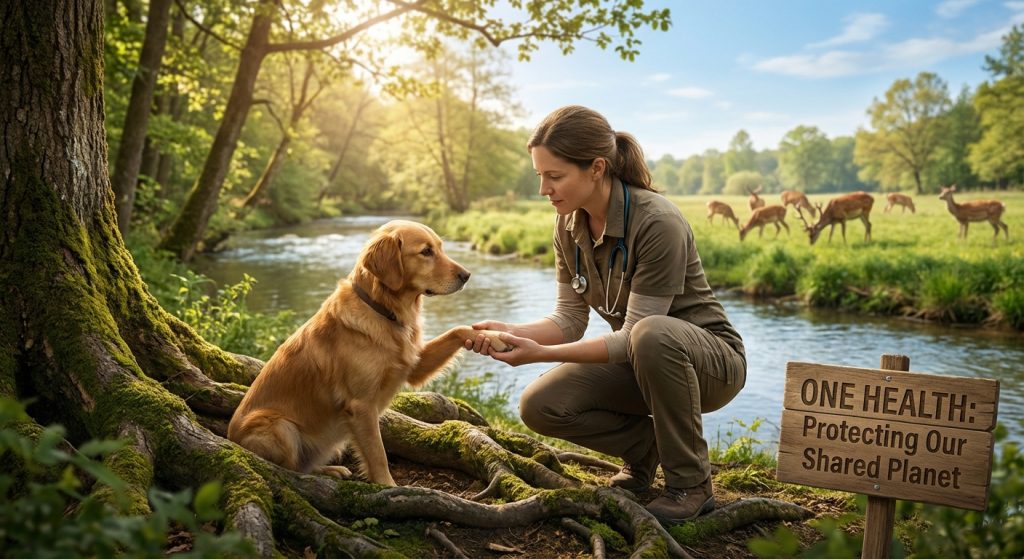
This approach recognizes that the health of people is closely connected to the health of animals and our shared environment. It is a collaborative, multisectoral, and transdisciplinary approach. It aims to achieve optimal health outcomes for people and animals, alike. Moreover, it seeks to promote a healthy environment. This integrated perspective is essential for tackling complex global challenges.
Why One Health Matters Now More Than Ever
We face many global health threats. Many of these threats emerge from the interaction between humans, animals, and the environment. For instance, infectious diseases often jump from animals to humans. These are called zoonotic diseases. The COVID-19 pandemic is a stark reminder of this. It emerged from animals and spread globally.
Climate change also plays a significant role. It alters habitats. It also affects disease patterns. Extreme weather events can stress ecosystems. This can lead to the emergence and spread of diseases. Furthermore, pollution impacts both animal and human health. It contaminates our air, water, and soil. Thus, a holistic approach is necessary.
The One Health concept is not new. However, its importance has grown significantly. We see increasing human populations. We also see more intensive animal farming. Moreover, global travel and trade are extensive. These factors increase the risk of disease transmission. Therefore, coordinated action is essential.
The Pillars of the One Health Approach
The One Health approach rests on several key pillars. These pillars ensure comprehensive action. They also promote collaboration across different sectors. Let’s explore these vital components.
1. Disease Surveillance and Monitoring
Effective surveillance is paramount. We need to monitor diseases in animals and humans. This helps us detect outbreaks early. It also allows for rapid response. By tracking disease patterns, we can identify emerging threats. This information is vital for prevention and control efforts. For example, monitoring wildlife populations can alert us to potential zoonotic risks.
Veterinarians play a crucial role here. They often see diseases in animals first. Their observations are invaluable. Public health officials also monitor human health. Environmental agencies track potential environmental hazards. Integrating data from all these sources provides a complete picture. This integrated surveillance is a cornerstone of One Health.
2. Research and Data Sharing
Collaboration in research is essential. Scientists from different fields must work together. They need to study diseases holistically. This includes understanding how diseases spread. It also involves studying their impact on different species and ecosystems. Openly sharing research data is also critical. This allows for faster progress. It also prevents duplication of efforts.
For instance, understanding the genetic makeup of a pathogen. This can reveal its origins. It can also predict its behavior. Sharing this information globally can help contain outbreaks. This collaborative research can also inform policy decisions. It provides the evidence needed for effective interventions. You can learn more about the science of DNA and its role in conservation efforts by exploring DNA: The Blueprint for Saving Wildlife.
3. Policy and Governance
Effective policies are needed. These policies must support One Health initiatives. They should encourage intersectoral collaboration. Policymakers need to understand the interconnectedness of health. They must create frameworks for joint action. This includes funding for One Health programs. It also involves developing clear guidelines and regulations.
International cooperation is also vital. Diseases do not respect borders. Therefore, global agreements and partnerships are necessary. These agreements facilitate coordinated responses. They also promote resource sharing. Strong governance ensures that One Health principles are implemented effectively. This includes having clear lines of responsibility.
4. Education and Training
Educating professionals is key. Health officials, veterinarians, and environmental scientists need training. They must learn to think and work in an integrated way. This involves understanding each other’s disciplines. It also means developing cross-disciplinary skills. Continuous professional development is important.
Public awareness is also crucial. People need to understand the One Health concept. They should know how their actions impact animal and environmental health. Education empowers individuals. It encourages responsible behavior. This can include practices like proper waste disposal. It also covers responsible pet ownership. Ultimately, a well-informed public supports One Health goals.
Key Areas of One Health Application
The One Health approach has broad applications. It addresses many critical global issues. Let’s look at some key examples.
Antimicrobial Resistance (AMR)
Antimicrobial resistance is a growing crisis. It occurs when bacteria, viruses, and fungi develop resistance to medicines. This makes infections harder to treat. AMR is a classic One Health problem. It involves the use of antibiotics in humans and animals. It also relates to antibiotic residues in the environment.
Overuse and misuse of antibiotics in livestock contribute significantly. This leads to resistant bacteria. These can then spread to humans. Therefore, strategies must address antibiotic use in both sectors. This includes promoting responsible prescribing. It also involves developing new antimicrobials. Reducing antibiotic use in agriculture is a key goal. Understanding the science behind antibiotic resistance is crucial for developing effective containment strategies, as discussed in The Silent Threat: Understanding Antibiotic Resistance.
Food Safety and Security
Ensuring safe and secure food supplies is vital. This involves preventing contamination. It also means protecting food sources from disease. Zoonotic diseases can affect livestock. This can impact food production and safety. For instance, Salmonella in poultry can cause illness in humans.
Environmental factors also play a role. Pollution can contaminate soil and water. This can affect crops and livestock. Sustainable agricultural practices are therefore essential. They help maintain healthy ecosystems. They also ensure the production of safe food. Healthy soil is fundamental to healthy food. You can delve deeper into this connection by reading about Soil Health is Human Health: The Nutrient Link.
Climate Change Adaptation and Mitigation
Climate change poses a significant threat. It impacts ecosystems and biodiversity. It also influences the spread of diseases. For example, warmer temperatures can expand the range of disease-carrying insects. This affects both animal and human health.
The One Health approach helps us understand these complex interactions. It guides efforts to adapt to changing environments. It also supports mitigation strategies. Protecting natural habitats is crucial. It helps maintain ecological balance. This can reduce the risk of disease emergence. Furthermore, healthy ecosystems can absorb carbon. This aids in climate change mitigation. For instance, forests are vital carbon sinks. Learn more about their importance in Old-Growth Forests: Carbon Capture Champions.
Biodiversity Conservation
Biodiversity is essential for ecosystem health. It provides essential services. These include clean air, water, and food. Loss of biodiversity can have cascading effects. It can weaken ecosystems. This makes them more vulnerable to disease. It also increases the risk of zoonotic spillover.
Veterinary science plays a key role. It helps protect endangered species. It also manages diseases in wildlife populations. Conservation efforts often require collaboration. This involves ecologists, veterinarians, and policymakers. Protecting wildlife is an investment in our own health. It helps maintain the delicate balance of nature. You can explore how veterinary science contributes to this in Veterinary Science: Saving Species from the Brink.
Challenges and Opportunities
Implementing a One Health approach is not without challenges. It requires breaking down traditional silos. It demands significant investment. It also necessitates strong political will. However, the opportunities are immense.
By working together, we can achieve greater health security. We can prevent future pandemics. We can protect our planet. We can build more resilient communities. The One Health approach offers a pathway. It leads to a healthier future for all. It is a shared responsibility. It requires collective action from everyone.
Frequently Asked Questions
What is the main goal of the One Health approach?
The main goal of the One Health approach is to achieve optimal health outcomes for people, animals, and the environment by recognizing and addressing the interconnectedness of their health.
Can you give an example of a zoonotic disease?
Yes, COVID-19, influenza (flu), rabies, and Lyme disease are all examples of zoonotic diseases that can spread from animals to humans.
How does environmental health relate to human and animal health?
Environmental health is crucial because pollution, climate change, and habitat degradation can directly impact the health of humans and animals. For example, contaminated water can cause illness in both people and livestock.
What role do veterinarians play in the One Health approach?
Veterinarians are essential. They monitor animal health, detect emerging diseases, contribute to food safety, and play a key role in understanding and preventing zoonotic disease transmission.
Is the One Health approach only about preventing pandemics?
No, while pandemic prevention is a critical aspect, the One Health approach also addresses a wide range of issues, including antimicrobial resistance, food safety, environmental pollution, and climate change impacts on health.