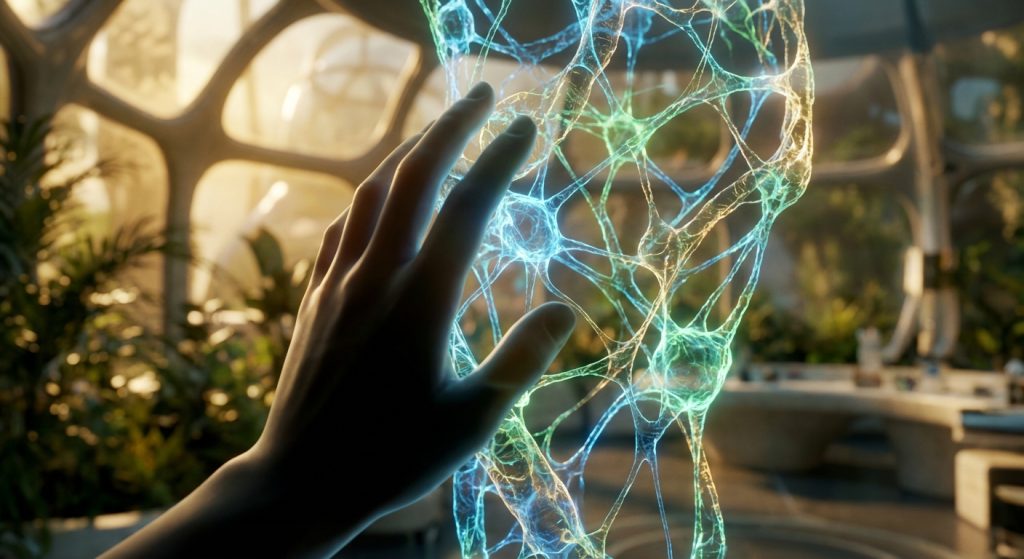
Regenerative medicine is transforming healthcare. It offers new hope for treating diseases. It also promises to repair damaged tissues and organs. This field combines biology, engineering, and medicine. Its goal is to restore normal function. Stem cell therapy is a key part of this revolution. Organ regeneration is another exciting frontier. These advancements are paving the way for a healthier future.
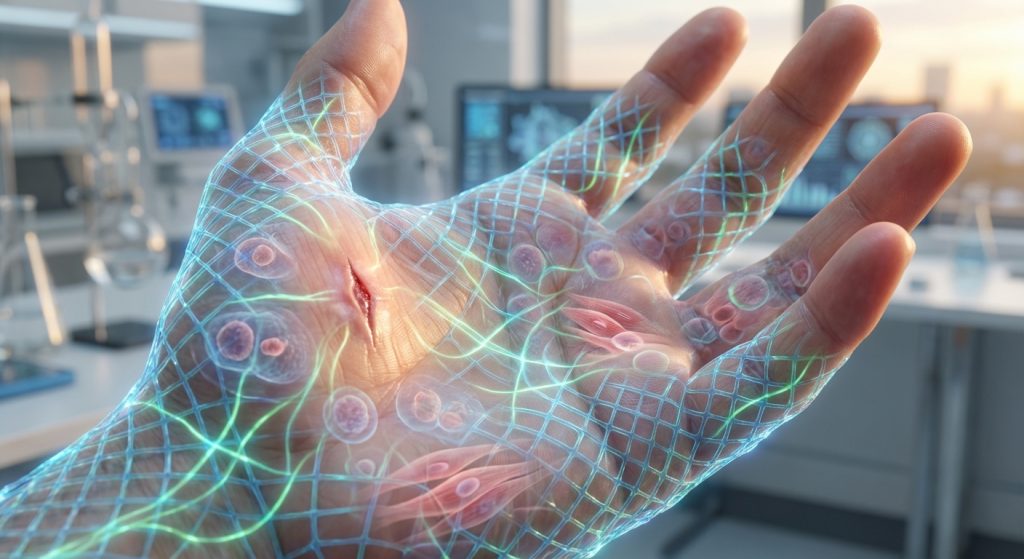
The Power of Stem Cells
Stem cells are special. They can develop into many different cell types. This makes them incredibly useful. Scientists are exploring their potential for various conditions. For instance, stem cells can repair damaged heart muscle after a heart attack. They can also help regenerate nerve cells. This is crucial for treating conditions like Parkinson’s disease. Furthermore, stem cells can be used to grow new cartilage. This offers hope for patients with osteoarthritis.
Types of Stem Cells
There are several types of stem cells. Each has unique properties. Understanding these differences is important. Embryonic stem cells are pluripotent. This means they can become any cell type in the body. However, their use raises ethical concerns. Adult stem cells are found in various tissues. They are multipotent. This means they can differentiate into a limited range of cell types. For example, hematopoietic stem cells create blood cells. Mesenchymal stem cells can form bone, cartilage, and fat. Induced pluripotent stem cells (iPSCs) are created in the lab. Scientists reprogram adult cells to an embryonic-like state. This bypasses many ethical issues. Therefore, iPSCs offer a promising avenue for research and therapy.
Applications in Therapy
Stem cell therapy has shown remarkable progress. It is already being used for certain conditions. For example, bone marrow transplants use hematopoietic stem cells. These transplants treat blood disorders like leukemia. In addition, research is ongoing for many other diseases. These include diabetes, spinal cord injuries, and blindness. The potential is vast. However, challenges remain. These include ensuring cell safety and efficacy. Also, consistent delivery methods are being developed.
Organ Regeneration: A New Dawn
Replacing damaged organs is a major medical challenge. Traditional organ transplantation has limitations. Donor shortages are a significant problem. Regenerative medicine aims to overcome this. It seeks to grow new organs from a patient’s own cells. This would eliminate rejection issues. It would also solve the donor scarcity problem. This field is still developing. Yet, it holds immense promise for the future.
Tissue Engineering
Tissue engineering is a core component of organ regeneration. It involves creating functional tissues. Scientists use cells, scaffolds, and growth factors. Scaffolds provide a structural framework. Cells then grow and differentiate on this scaffold. Growth factors stimulate cell development. For example, researchers are working on engineered skin. This is used for burn victims. They are also developing artificial blood vessels. This could help patients with vascular diseases.
3D Bioprinting
A groundbreaking technology is 3D bioprinting. It allows for the creation of complex tissues. It uses specialized “bio-inks”. These inks contain living cells. The printer then layers these cells precisely. This can create intricate structures. For example, bioprinted liver tissue is being explored. This could eventually lead to bio-artificial livers. Similarly, kidney and heart tissues are also targets. As a result, this technology is accelerating progress.
Challenges and Future Directions
Organ regeneration faces significant hurdles. Vascularization is a major challenge. New organs need a blood supply to survive. Creating functional blood vessel networks is complex. Another challenge is immune rejection. Even with a patient’s own cells, subtle immune responses can occur. Furthermore, scaling up production is difficult. It is also expensive. Despite these challenges, the outlook is positive. Continued research is vital. We are moving closer to growing complex organs. This will revolutionize transplantation.
The Broader Impact on Healthcare
Regenerative medicine is more than just new treatments. It represents a paradigm shift. It moves from managing symptoms to restoring function. This has profound implications for chronic diseases. It could offer cures where only management existed before. For example, conditions like diabetes could be reversed. Spinal cord injuries might become repairable. This would dramatically improve quality of life. It could also reduce long-term healthcare costs.
Personalized Medicine
Regenerative medicine aligns perfectly with personalized medicine. Treatments can be tailored to the individual. Using a patient’s own cells minimizes risks. It also increases treatment effectiveness. This approach leverages our understanding of genetics. Your DNA is the blueprint for future medicine. Treatments can be designed based on unique genetic profiles. This leads to more targeted and efficient therapies. Therefore, regenerative medicine is a cornerstone of this personalized approach.
Ethical and Regulatory Considerations
As with any advanced technology, ethical questions arise. The use of embryonic stem cells remains debated. The safety and efficacy of new therapies need rigorous testing. Regulatory bodies play a crucial role. They ensure that treatments are safe and effective. Strict guidelines are necessary for clinical trials. Public trust is also paramount. Open dialogue about the science and its implications is essential.
The Role of Biotechnology
Biotechnology is the engine driving regenerative medicine. It provides the tools and techniques. Advances in genetic engineering are crucial. They allow for precise manipulation of cells. Furthermore, biomaterials science is essential. It provides the scaffolds for tissue growth. Drug discovery is also vital. New drugs can enhance stem cell function. They can also promote tissue repair. Biotechnology firms are at the forefront of innovation. They are translating scientific discoveries into clinical applications. You can learn more about how your life shapes your genes through epigenetics. This is another area where biotechnology plays a key role.
High-Tech Healthcare Seekers
For those seeking cutting-edge healthcare, regenerative medicine is key. It offers hope for previously untreatable conditions. Patients interested in these advanced therapies should consult specialists. They should research reputable clinics. Understanding the science is empowering. It allows for informed decisions about treatment options. This field is rapidly evolving. New breakthroughs are announced regularly. Staying informed is important for patients and practitioners alike.
Frequently Asked Questions
What is regenerative medicine?
Regenerative medicine is a field of medicine focused on repairing or replacing damaged cells, tissues, or organs. It aims to restore normal function.
How do stem cells work in therapy?
Stem cells can differentiate into various specialized cell types. This allows them to replace damaged cells or promote tissue repair. For instance, they can help heal injuries.
What are the main challenges in organ regeneration?
Key challenges include creating a functional vascular system within the engineered organ. Also, preventing immune rejection and scaling up production are significant hurdles.
Is regenerative medicine safe?
Safety is a top priority. Rigorous clinical trials and regulatory oversight are in place. However, as with any medical treatment, risks exist. Ongoing research aims to minimize these risks.
Can regenerative medicine cure all diseases?
Not yet. While it offers immense potential for many conditions, it is not a universal cure. Research is ongoing to expand its applications.
Conclusion
Regenerative medicine, particularly stem cell therapy and organ regeneration, represents a monumental leap forward in healthcare. It offers unprecedented possibilities for treating diseases and repairing the human body. While challenges persist, the pace of innovation is remarkable. For medical professionals, biotechnologists, and forward-thinking patients, this field is a beacon of hope. It promises to redefine what is possible in healing and human health. The integration of advanced technologies is crucial. This ensures that these powerful therapies reach those who need them most. The future of medicine is regenerative.