

The study of animal psychology offers a profound glimpse into the rich inner lives of non-human species. For too long, we have underestimated their cognitive abilities. However, ongoing research is revealing a complex world of thought, emotion, and awareness that rivals human understanding in many ways. This exploration is crucial for ethologists, animal trainers, and veterinary behavioral specialists.
Understanding animal cognition moves beyond simple instinct. It delves into how animals perceive, learn, remember, and solve problems. It also explores their social structures and communication methods. This field is rapidly evolving. New technologies and interdisciplinary approaches are unlocking deeper insights.
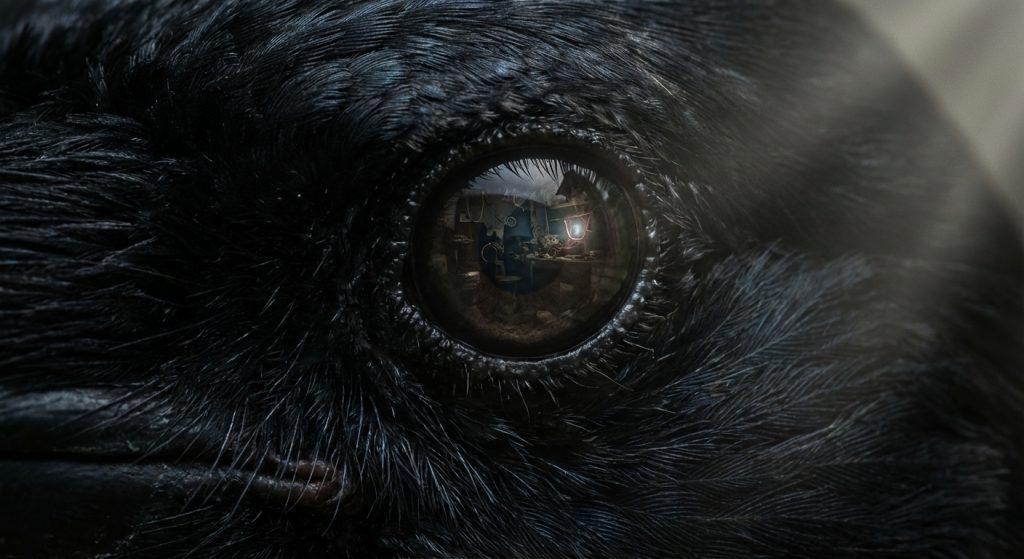
The Evolving Science of Animal Consciousness
For centuries, consciousness in animals was a topic of debate. However, a significant scientific consensus has emerged. The Cambridge Declaration on Consciousness in 2012 affirmed that many non-human animals possess the neurological substrates for conscious experience. This includes mammals, birds, and even invertebrates like octopuses.
Therefore, the conversation has shifted. We are no longer asking *if* animals are conscious. Instead, we are exploring *which* animals are conscious and *how* their consciousness manifests. This interdisciplinary field draws from neuroscience, psychology, and evolutionary biology. It aims to scientifically study animals’ subjective experiences and feelings.
A key challenge is the absence of verbal report. Animals cannot tell us about their inner states. However, this is not a unique obstacle. We study consciousness in preverbal human infants and individuals with impaired communication. By synthesizing various methods, researchers can overcome this limitation.
Dimensions of Animal Consciousness
Jonathan Birch and Alexandra K. Schnell propose a multidimensional framework for understanding animal consciousness. They argue against a single scale ranking species. Instead, each species has a unique “consciousness profile.” This framework identifies five key dimensions:
- Perceptual richness: How detailed is their sensory experience?
- Evaluative richness: How complex are their emotional responses?
- Integration at a time: How much information can they process simultaneously?
- Integration across time: How well do they connect past, present, and future?
- Self-consciousness: Do they recognize themselves as distinct individuals?
By assessing a species against these dimensions, we can build a more nuanced picture. This approach acknowledges the diversity of animal minds. It moves beyond anthropocentric views.
Cognitive Depths Across Species
Animal intelligence is incredibly diverse. Many species exhibit remarkable cognitive abilities. For example, dolphins, crows, octopuses, and elephants are known for problem-solving skills. They also demonstrate empathy, sophisticated communication, and even self-awareness.
Their brains may function differently from ours. However, the adaptability and depth of their cognition can rival human understanding in specific areas. Nature’s intelligence takes many forms. This adaptability is a testament to evolutionary pressures.
Problem-Solving and Tool Use
Many species are adept problem-solvers. Crows, for instance, are known for their ability to use tools. They can bend wires to create hooks to retrieve food. This demonstrates foresight and planning.
Bonobos, our closest living relatives, also show advanced cognitive skills. They can learn to communicate using symbols and even produce sounds that approximate human words like “MAAM” or “UP.” While distinguishing these from screams can be challenging, researchers are exploring machine learning to analyze animal vocalizations for meaningful patterns.
Elephants display impressive memory and social intelligence. They can remember individuals and locations for decades. They also exhibit complex mourning rituals, suggesting emotional depth.
Communication and Social Cognition
Communication in the animal kingdom is far more sophisticated than often assumed. Beyond vocalizations, animals use a range of signals. These include body language, scent marking, and even visual displays.
For example, prairie dogs have distinct alarm calls that convey information about the type of predator and its characteristics. This level of detail in communication is remarkable. It suggests a complex understanding of their environment.
Social cognition is also a key area of study. Many animals live in complex social groups. They navigate hierarchies, form alliances, and engage in cooperative behaviors. This requires understanding the intentions and perspectives of others.
Research in comparative psychology bridges human and non-human studies. It uses comparative methodologies to understand psychological phenomena across species. This includes examining mechanisms, adaptive functions, ontogeny, and phylogeny of behaviors.
The Role of Training and Behavior Modification
For animal trainers and veterinary behaviorists, understanding animal psychology is paramount. Positive reinforcement training methods are based on principles of operant conditioning. They leverage an animal’s natural learning processes.
By understanding an animal’s cognitive abilities, trainers can tailor their methods. This leads to more effective and humane training. It also helps build stronger human-animal bonds.
Applying Cognitive Insights
Knowledge of animal cognition informs how we address behavioral issues. For instance, understanding a dog’s perception of threat can help modify fear-based aggression. Similarly, recognizing a cat’s need for environmental enrichment can prevent stress-related behaviors.
Veterinary behaviorists use these insights to diagnose and treat a range of conditions. This includes anxiety, phobias, and compulsive disorders. They often employ a combination of behavioral modification, environmental management, and sometimes medication.
The goal is always to improve the animal’s welfare. This involves understanding their subjective experiences and providing them with a suitable environment. It also means recognizing their capacity for learning and emotional well-being.
Ethical Considerations in Animal Research
As our understanding of animal cognition deepens, so does our ethical responsibility. Research must be conducted ethically. This means minimizing harm and respecting the animals’ well-being.
The framework for animal consciousness highlights the importance of considering each species individually. It discourages broad generalizations. This nuanced approach is essential for ethical treatment and research.
Furthermore, recognizing the cognitive depth of animals changes our perspective on their place in the world. It underscores the need for conservation efforts that consider their complex needs. Understanding their minds is key to protecting their futures.
Exploring the inner lives of animals also has implications for our relationship with them. It fosters greater empathy and respect. This can lead to more compassionate interactions in all settings, from homes to research labs.
Frequently Asked Questions
Are all animals equally intelligent?
No, intelligence varies greatly across species. Just as human intelligence differs, so too does cognitive ability in the animal kingdom. Factors like brain structure, evolutionary history, and ecological niche play significant roles.
How do scientists study animal consciousness without them speaking?
Scientists use a variety of methods. These include observing behavior in controlled experiments, analyzing brain activity (e.g., fMRI), studying physiological responses, and using comparative psychology to infer cognitive processes based on evolutionary principles. For example, researchers might test an animal’s ability to distinguish between different stimuli or solve complex puzzles.
Can animals feel empathy?
Evidence suggests that many animals, particularly social species like primates and canids, exhibit behaviors consistent with empathy. They may show concern for distressed individuals, offer comfort, and respond to the emotional states of others. This is an active area of research.
What is the significance of comparative psychology?
Comparative psychology is vital because it allows us to understand the evolution of behavior and cognition. By comparing different species, we can identify universal principles and species-specific adaptations. This field helps us understand ourselves better by studying others. It also provides crucial insights for animal welfare and conservation.
How can understanding animal psychology help with pet ownership?
Knowing about animal psychology helps owners understand their pets’ needs and motivations. This leads to better training, more appropriate environmental enrichment, and stronger bonds. For instance, understanding a dog’s pack mentality or a cat’s territorial instincts can prevent common behavioral problems. This knowledge is crucial for providing optimal care and reducing stress for both pet and owner.
Conclusion
The field of animal psychology is revealing a universe of cognitive depth and subjective experience within non-human species. From the intricate social lives of elephants to the problem-solving prowess of crows, these creatures possess minds far more complex than we once believed. For ethologists, trainers, and veterinary specialists, this understanding is not just academic; it is fundamental to improving animal welfare, fostering ethical interactions, and appreciating the rich tapestry of life on Earth.
As research continues to uncover more about animal consciousness and cognition, our responsibilities towards these beings will undoubtedly grow. By embracing these insights, we can forge more meaningful connections and contribute to a more compassionate and informed world for all species. The ongoing exploration into animal minds is a journey that enriches our understanding of life itself.
