Green Space Therapy: The Power of Forest Bathing
Published on January 13, 2026 by Admin
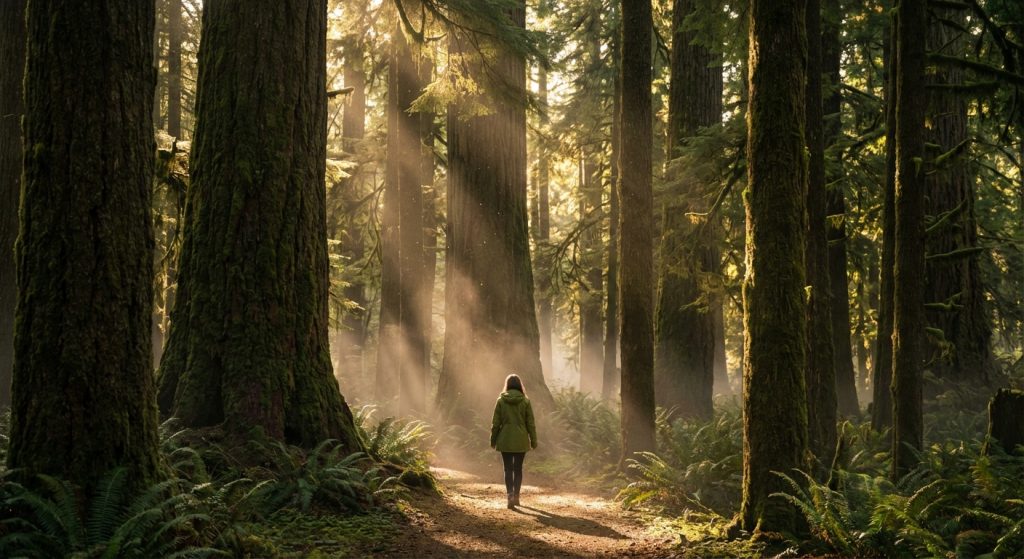
In our fast-paced modern world, stress and burnout are common. Many of us feel disconnected from nature. However, a growing body of research highlights a simple yet profound solution: immersing ourselves in natural environments. This practice, known as Shinrin-yoku or forest bathing, offers significant clinical benefits. It can improve both mental and physical well-being. This article explores the science behind forest bathing and its therapeutic applications for mental health professionals, HR managers, and wellness coaches.
What is Shinrin-Yoku (Forest Bathing)?
Shinrin-yoku is a Japanese practice. It literally means “taking in the forest atmosphere.” It involves mindfully using all five senses to connect with nature. This is not about strenuous exercise. Instead, it’s about slow, deliberate immersion. You engage with the sights, sounds, smells, tastes, and textures of the forest. The practice originated in Japan in the 1980s. It became a cornerstone of preventive healthcare and healing within Japanese medicine.
Forest bathing is a form of nature therapy. It’s a gentle approach. It encourages people to slow down. They can then appreciate the natural world. The goal is to reduce stress. It also aims to improve overall health. This practice has gained global recognition. Many are now realizing its potential beyond just relaxation.
The Clinical Benefits of Forest Bathing
Research consistently shows that spending time in nature has a positive impact on human health. This is true for both physiological and psychological systems. Forest bathing, in particular, has been studied extensively. Numerous studies have documented its wide-ranging benefits.
Boosting the Immune System
One of the most remarkable benefits of forest bathing is its positive effect on the immune system. When we breathe the fresh air in a forest, we inhale phytoncides. These are airborne chemicals released by plants. Phytoncides help plants protect themselves from insects and diseases. When humans breathe them in, our bodies respond. We see an increase in the number and activity of natural killer (NK) cells . NK cells are crucial for fighting off viruses and preventing the growth of tumor cells. Studies have shown that even a short forest bathing trip can increase NK cell activity for weeks afterward . This suggests a potential role in cancer prevention.
Reducing Stress and Improving Mental Well-being
Forest bathing is highly effective at reducing stress. It lowers levels of stress hormones like cortisol and adrenaline. Studies have shown that spending time in natural settings reduces blood pressure and heart rate. This is in contrast to urban environments, where similar activities do not yield the same results . Furthermore, forest bathing has been shown to decrease negative emotions such as anxiety, depression, anger, and fatigue. It also increases feelings of awe, gratitude, and selflessness.
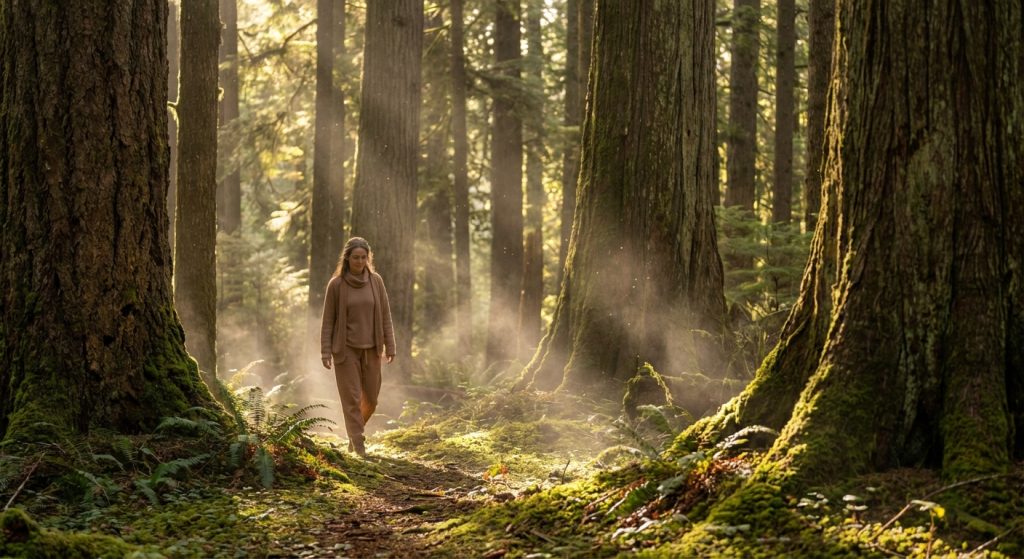
The practice can also help with rumination. One study found that a 90-minute walk in a natural setting reduced neural activity in brain areas linked to rumination. This is a significant risk factor for mental illness. Conversely, a similar walk in an urban setting showed no change in this neural activity. For individuals experiencing anxiety, depression, or burnout, forest bathing can be a powerful complementary therapy. It works alongside traditional treatments like medication or cognitive behavioral therapy (CBT).
Enhancing Cognitive Function
Our modern lives often involve constant demands on our attention. This can lead to directed attention fatigue. Forest bathing offers a restorative break for our cognitive functions. Looking at nature, listening to its sounds, and simply being present allows the brain to rest. This renewal improves our ability to focus. It also enhances patience and cognitive capacity. This is particularly beneficial for children. Studies show that time spent in natural environments can reduce attention fatigue. It can also improve symptoms of ADHD in children . This makes nature therapy a valuable tool for educators and parents.
Improving Cardiovascular Health
The benefits of forest bathing extend to the cardiovascular system. Research indicates that it can lower blood pressure and reduce heart rate. This is partly due to the reduction in stress hormones. These hormones can constrict blood vessels. By lowering stress, forest bathing helps relax the circulatory system. This contributes to a reduced risk of cardiovascular diseases (CVDs) . The practice also promotes increased parasympathetic nervous activity. This is the “rest and digest” part of our nervous system. It counteracts the “fight or flight” response of the sympathetic nervous system. This balance is crucial for heart health.
Other Notable Benefits
Beyond these key areas, forest bathing offers a multitude of other health advantages:
- Improved sleep quality
- Reduced risk of certain types of cancer
- Better body mass index (BMI) control
- Improved bone health
- Reduced risk of dementia and Alzheimer’s disease
- Healthier gut microbiome
- Increased energy levels
- Accelerated recovery from illness or surgery
Hospital patients with views of green spaces have shown faster recovery times. They require fewer painkillers and experience fewer complications. This demonstrates the powerful healing influence of nature, even from a distance.
The Science Behind the Benefits
Several theories help explain why forest bathing is so effective. These include:
- Attention Restoration Theory (ART): Proposed by Kaplan, this theory suggests that natural environments engage our involuntary attention. This allows our directed attention, which is easily fatigued, to rest and recover.
- Stress Reduction Theory (SRT): Ulrich’s SRT posits that exposure to natural scenes can elicit positive emotional responses. These responses help reduce stress and promote relaxation.
- Biophilia Hypothesis: This hypothesis, by Kellert and Wilson, suggests that humans have an innate tendency to connect with nature. This connection is essential for our well-being.
Additionally, the physical environment of a forest plays a role. Increased oxygen levels in the brain from fresh air can improve alertness. The calming effect of green visuals can lower heart rate and blood pressure. The sounds of nature, like birdsong or rustling leaves, can further promote relaxation.
Incorporating Forest Bathing into Practice
For mental health professionals, HR managers, and wellness coaches, forest bathing offers practical applications:
For Mental Health Professionals
Consider recommending Shinrin-yoku as a supplementary therapy for clients dealing with stress, anxiety, depression, or burnout. It can be a valuable tool for promoting self-regulation and emotional resilience. Encourage clients to find local parks or green spaces for regular visits. Even short, frequent exposures can be beneficial. For those with limited mobility, accessible park paths or even views of nature from a window can offer some benefits.
For HR Managers
Companies can integrate nature-based wellness programs. This could include organizing group forest bathing sessions or creating quiet green spaces on company grounds. Promoting outdoor breaks during the workday can significantly reduce employee stress. It can also boost productivity and morale. Investing in employee well-being through nature can lead to a healthier, more engaged workforce. This aligns with the growing understanding of how green spaces contribute to overall health.
For Wellness Coaches
Incorporate Shinrin-yoku into coaching sessions. Guide clients on how to mindfully engage their senses in natural settings. Teach them techniques for stress reduction and mindfulness through nature immersion. Help them develop personalized nature-based wellness plans. This can empower clients to take an active role in their own health and well-being. It also complements other wellness strategies like healthy eating and exercise. For those interested in the broader impact of nature, learning about regenerative agriculture can highlight the interconnectedness of environmental and human health.
Practical Tips for Forest Bathing
To maximize the benefits of forest bathing, consider these tips:
- Choose a natural setting: This can be a forest, park, garden, or even a tree-lined street.
- Slow down: Walk at a leisurely pace. Stop frequently.
- Engage your senses: Notice the colors, sounds, smells, and textures around you.
- Disconnect: Leave your phone behind or turn it off. Focus on the present moment.
- Be present: Practice mindfulness. Let go of distractions and worries.
- Breathe deeply: Inhale the fresh air and exhale tension.
- Duration: Even 17 minutes in a natural setting can have a positive impact. Longer sessions offer deeper benefits.
You don’t need to travel far to experience forest bathing. Local parks and green spaces can provide significant benefits. The key is intentionality and mindful engagement.
Frequently Asked Questions
Is forest bathing suitable for everyone?
Yes, forest bathing is generally suitable for most people. Individuals with mobility issues or respiratory conditions like asthma can still benefit. They may need to take extra precautions, such as ensuring they have a place to sit or carrying an inhaler. The practice is gentle and can be adapted to individual needs.
How much time do I need to spend in nature to see benefits?
Even short exposures can be beneficial. Studies suggest that spending as little as 17 minutes in a natural setting can improve health and well-being. However, longer and more frequent sessions will likely yield greater benefits.
Can forest bathing replace traditional medical treatments?
No, forest bathing is intended to complement, not replace, traditional medical treatments. It is a powerful tool for health promotion and stress reduction. Always consult with a healthcare provider for medical advice and treatment plans.
What’s the difference between forest bathing and hiking?
Hiking is typically a more vigorous activity focused on physical exertion and reaching a destination. Forest bathing, on the other hand, is about slow, mindful immersion in nature, engaging all senses, and prioritizing relaxation and well-being over physical achievement.
Conclusion
Shinrin-yoku, or forest bathing, is more than just a walk in the woods. It is a scientifically supported therapeutic practice. It offers profound benefits for the immune, cardiovascular, and nervous systems. Furthermore, it significantly enhances mental well-being and cognitive function. As mental health professionals, HR managers, and wellness coaches, we have a unique opportunity. We can leverage the power of nature to support ourselves and those we serve. By encouraging and integrating forest bathing into our lives and practices, we can foster greater health, resilience, and connection in our increasingly urbanized world. Embracing nature’s simple yet potent remedies is a vital step toward a healthier future.