Sustainable Aquaculture: Feeding the World with Clean Oceans
Published on January 13, 2026 by Admin
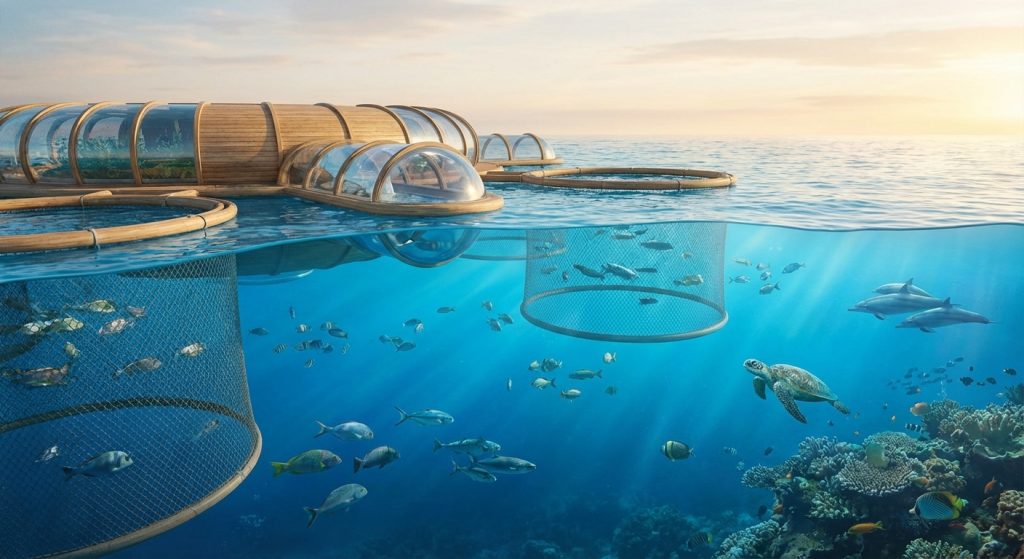
The global population is growing rapidly. Consequently, the demand for protein is soaring. Traditional agriculture faces many challenges. These include land scarcity and environmental impact. Meanwhile, our oceans are under immense pressure. Overfishing is depleting wild stocks. Pollution, especially plastics, harms marine life. Therefore, a sustainable solution is urgently needed. Sustainable aquaculture offers a promising path. It can help solve the global protein crisis. It does this by leveraging the power of clean oceans.
This article explores how aquaculture can be a cornerstone of future food security. We will examine the challenges and opportunities. We will also discuss the vital role of clean oceans in this endeavor. This is crucial for fisheries managers, marine investors, and food security strategists.
The Growing Protein Demand and the Limits of Wild Fisheries
Billions of people worldwide rely on seafood. It is a vital source of jobs and nutrition. In 2021, aquatic foods provided at least 20% of animal protein for about 3.2 billion people alone. This proportion is even higher in many poorer nations. However, wild fisheries are struggling to meet this demand sustainably. The percentage of fish stocks not within biologically sustainable levels rose significantly. It went from 10% in 1974 to 37.7% in 2021 globally.
Overfishing is a major driver of this decline. Illegal, Unregulated, and Unreported (IUU) fishing exacerbates the problem. Studies suggest that fishing less could actually increase global landed value. It could also reduce costs. A sustainable equilibrium for global marine fisheries might require a reduction in global fishing effort by 44% according to research. Clearly, wild fisheries alone cannot sustain future protein needs.
Sustainable Aquaculture: A Viable Solution
Aquaculture, or fish farming, offers a crucial alternative. It involves cultivating aquatic organisms. This includes fish, shellfish, and aquatic plants. When managed sustainably, it can significantly boost protein production. It also diversifies food sources. Furthermore, aquaculture can create jobs and economic growth. The sector already employs 62 million people in primary fish production. Moreover, about 600 million livelihoods rely on fisheries and aquaculture in total worldwide.
Sustainable aquaculture focuses on minimizing environmental impact. It aims for resource efficiency. It also prioritizes the health of aquatic ecosystems. This approach contrasts sharply with unsustainable practices. It is essential for long-term food security.
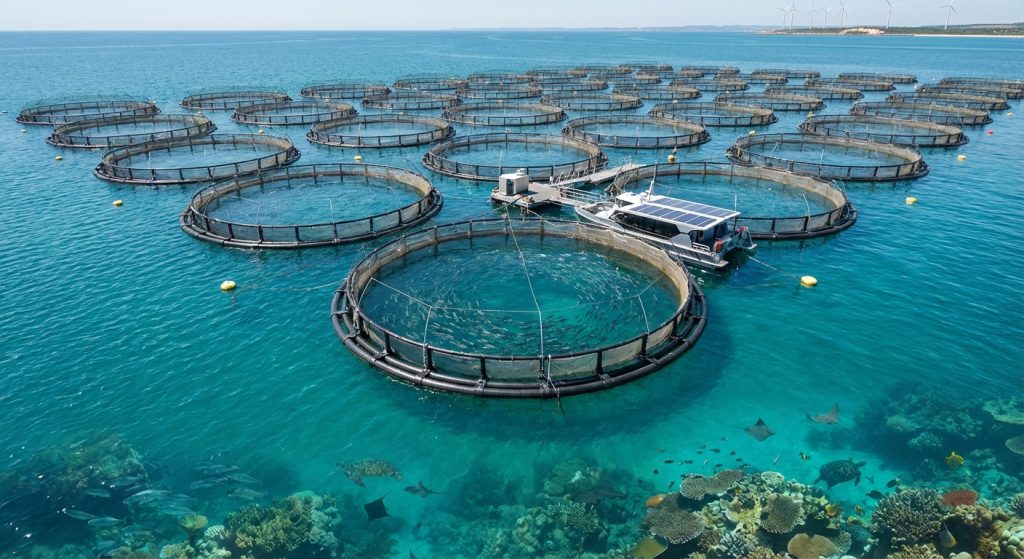
The Critical Role of Clean Oceans
The ocean is more than just a source of food. It is a vast and complex ecosystem. It plays a critical role in regulating the planet’s climate. Oceans absorb greenhouse gases. They also absorb over 90% of the excess heat in the climate system globally. Coastal ecosystems like mangroves and seagrass meadows are powerful carbon sinks. They sequester more carbon per unit area than terrestrial forests and protect coastlines.
However, our oceans are facing unprecedented threats. Rising temperatures and acidification are major concerns. Ocean acidification, for instance, threatens marine life survival and disrupts food webs undermining food security. Marine pollution is another critical issue. An estimated 5 to 12 million metric tons of plastic enter the ocean annually each year. This plastic pollution has severe economic and environmental consequences. It harms economies, ecosystems, and food security. Evidence is growing about its potential impact on human health too including microplastics in our blood.
Therefore, maintaining clean oceans is paramount for sustainable aquaculture. Clean waters are essential for healthy farmed fish. They also support the biodiversity that underpins a resilient aquaculture system. Investing in ocean health is an investment in our future food supply.
Challenges in Sustainable Aquaculture
Despite its potential, sustainable aquaculture faces challenges. These include:
- Environmental Impact: Improper waste management from farms can pollute surrounding waters. This can lead to eutrophication and harm wild ecosystems.
- Feed Sustainability: Many aquaculture operations rely on fishmeal and fish oil derived from wild-caught fish. This can put further pressure on wild stocks.
- Disease Outbreaks: High stocking densities can increase the risk of disease. This can lead to the need for antibiotics, which can have environmental consequences.
- Habitat Degradation: The expansion of aquaculture can sometimes lead to the destruction of critical coastal habitats like mangroves.
- Social and Economic Issues: Ensuring fair labor practices and equitable benefit sharing with local communities is crucial.
Addressing these challenges requires innovative solutions. It also demands strong regulatory frameworks and responsible management practices.
Innovations Driving Sustainable Aquaculture
Fortunately, numerous innovations are paving the way for more sustainable aquaculture. These advancements are crucial for overcoming the identified challenges.
Alternative Feeds
The reliance on wild-caught fish for feed is a significant concern. Researchers are developing sustainable alternatives. These include insect protein, algae, and plant-based ingredients. For instance, developing crops resilient to changing climates, like those explored with CRISPR technology, could also provide sustainable feed components.
Closed-Containment Systems
Closed-containment aquaculture systems offer a controlled environment. They minimize the release of waste and the risk of disease transmission to wild populations. These systems can be land-based or offshore. They allow for precise management of water quality and feed inputs.
Integrated Multi-Trophic Aquaculture (IMTA)
IMTA systems involve farming multiple species that have complementary nutritional needs. For example, fish can be farmed alongside shellfish and seaweed. The waste from one species can provide nutrients for another. This creates a more circular and less polluting system. Seaweed, for instance, can absorb excess nutrients helping to restore ocean productivity.
Improved Disease Management
Advances in genetics and veterinary science are helping to develop disease-resistant species. Probiotics and improved biosecurity measures are also reducing the reliance on antibiotics. Understanding the complex interactions within ecosystems, like those involving mycorrhizal networks in soil, can inspire similar integrated approaches in aquaculture.
Traceability and Certification
Consumers are increasingly demanding sustainably sourced seafood. Robust traceability systems ensure that aquaculture products can be tracked from farm to table. Certifications from reputable organizations provide assurance of responsible practices. This builds consumer trust and market demand.
The Blue Economy and Aquaculture’s Role
The concept of the “Blue Economy” is gaining traction. It emphasizes the sustainable use of ocean resources for economic growth. This includes preserving ocean ecosystem health. Sustainable aquaculture is a key component of this approach. It aligns with goals for job creation, poverty reduction, and resource-efficient growth as promoted by the World Bank.
By integrating aquaculture with other marine sectors and adopting a holistic management approach, countries can maximize benefits. They can also restore ocean health simultaneously. This integrated development fosters resilience and long-term prosperity.
Policy and Investment: Key Enablers
For sustainable aquaculture to thrive, supportive policies and strategic investments are essential. Governments can play a crucial role by:
- Developing Clear Regulations: Establishing clear guidelines for environmental protection, feed sourcing, and disease management is vital.
- Incentivizing Sustainable Practices: Offering subsidies or tax breaks for farmers adopting eco-friendly methods can drive change.
- Investing in Research and Development: Funding innovation in areas like alternative feeds, genetics, and closed-containment systems is critical.
- Promoting International Cooperation: Sharing best practices and collaborating on global standards can accelerate progress.
Marine investors also have a significant role. They can direct capital towards innovative and sustainable aquaculture ventures. This includes supporting companies developing new technologies and feed sources. Investments in companies focused on biodiversity credits could also indirectly support healthier marine ecosystems, benefiting aquaculture.
The Future Outlook
The global protein crisis is a pressing issue. Sustainable aquaculture, powered by clean oceans, offers a robust solution. By embracing innovation, implementing supportive policies, and fostering responsible investment, we can harness the ocean’s potential. This will ensure a sustainable and nutritious food supply for generations to come.
The United Nations’ Sustainable Development Goal 14 aims to conserve and sustainably use the oceans. Aquaculture, when practiced responsibly, directly contributes to this goal. It helps provide food security while protecting marine ecosystems. Ultimately, a healthy ocean is fundamental to human existence and a thriving planet.
Frequently Asked Questions
What is sustainable aquaculture?
Sustainable aquaculture is the farming of aquatic organisms in a way that minimizes environmental impact, conserves natural resources, and ensures the long-term health of aquatic ecosystems and surrounding communities.
How does aquaculture contribute to food security?
Aquaculture significantly increases the supply of protein-rich food, especially fish and shellfish. It provides a reliable alternative to increasingly strained wild fisheries, helping to meet the growing global demand for food.
What are the main environmental concerns with aquaculture?
Concerns include pollution from fish waste, the use of wild-caught fish for feed, disease outbreaks requiring antibiotic use, habitat destruction during farm expansion, and the potential escape of farmed species into wild environments.
What are some innovations in sustainable aquaculture?
Innovations include developing alternative, sustainable feeds (like insect or algae-based), closed-containment systems to control environmental impact, Integrated Multi-Trophic Aquaculture (IMTA) for nutrient cycling, disease-resistant species, and robust traceability systems.
Why are clean oceans important for aquaculture?
Clean oceans are crucial for the health and quality of farmed aquatic organisms. They also support the biodiversity necessary for resilient aquaculture systems and prevent the spread of diseases and pollutants from aquaculture operations into the wider environment.