
The Modern Insomnia Crisis: Tech’s Role in Sleep Science
Published on January 13, 2026 by Admin
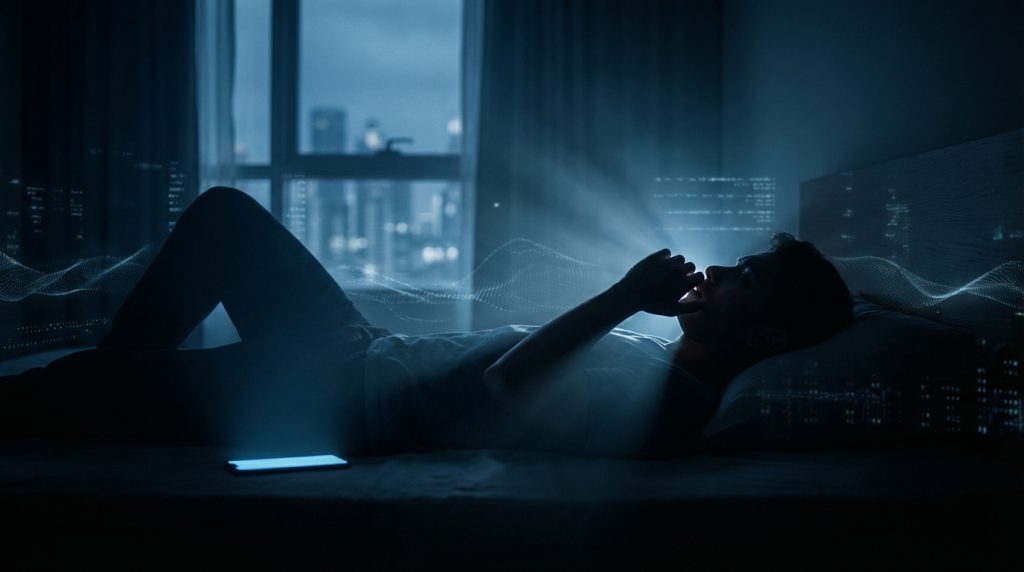
Sleep is foundational. Yet, many struggle to achieve it. This article explores the science of sleep and how technology offers solutions for the growing insomnia crisis. We aim to help neurologists, sleep clinic directors, and stressed urban workers understand these advancements.
The Pervasive Problem of Sleep Deprivation
Insomnia is a major public health issue. It affects millions globally. Persistent difficulty falling or staying asleep is its hallmark. When chronic, it severely impacts daily life. This includes mood, cognition, and emotional regulation.
Indeed, insomnia is increasingly seen as a primary disorder. It is not just a symptom. It links to various mental health issues. For example, it can trigger anxiety and hyperarousal. This creates a vicious cycle. Furthermore, adolescents are particularly vulnerable. They face rapid biological and psychosocial changes. These changes predispose them to sleep loss and mental health risks which can have serious implications for their mental health.
Understanding the Roots of Insomnia
The causes of insomnia are multifactorial. Psychological factors like stress and anxiety are key. They can start a cycle of sleep disturbance. Physiological conditions also play a role. Chronic pain and hormonal changes can disrupt sleep. Moreover, modern lifestyle factors are significant. Excessive screen time and irregular routines interfere with natural sleep-wake cycles. Poor sleep hygiene is also a major contributor.
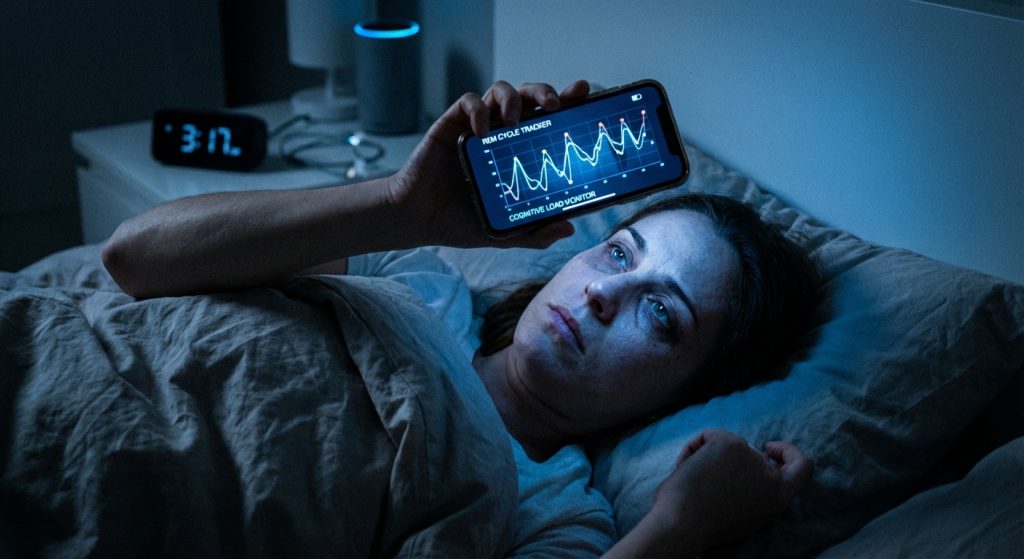
Addressing insomnia requires a comprehensive approach. It involves individual, psychological, and environmental factors. Therefore, integrating sleep health into overall wellness is crucial.
The Science of Sleep: A Biological Imperative
Sleep is not merely a passive state. It is an active process. It is vital for physical and mental restoration. During sleep, the brain consolidates memories. It also clears out metabolic waste products. This is known as the glymphatic system’s function which is essential for brain health.
Sleep also regulates hormones. It impacts metabolism and mood. Furthermore, it strengthens the immune system. Disruptions to sleep architecture, including REM and NREM stages, can have wide-ranging effects. Understanding these stages is key to addressing sleep disorders.
Technological Innovations in Sleep Health
Technology is transforming sleep management. Several digital interventions are emerging. These tools offer new hope for those struggling with insomnia.
Digital Therapeutics and Apps
Mobile health apps are a growing area. They offer convenience and accessibility. Many apps provide guided sleep programs. Some use device sensors to track behavior. Changes in patterns can signal a need for help. For instance, apps can offer mindfulness exercises. They can also guide users through relaxation techniques. Cognitive Behavioral Therapy for Insomnia (CBT-I) is a well-established approach. Digital CBT-I programs are now widely available. They offer a structured way to address sleep issues.
However, the market is vast. Thousands of apps exist. Not all are effective. There is a need for more regulation and evidence. Researchers are working to validate app effectiveness. They also explore how well apps work for different users. Privacy is another key concern. Protecting sensitive user data is paramount. Therefore, users should choose apps with strong privacy policies.
Wearable Sleep Trackers
Wearable devices are popular. They monitor sleep patterns. This includes duration, stages, and disturbances. Devices like smartwatches and fitness trackers collect this data. This information can be insightful. It helps users understand their sleep habits. It also allows for personalized adjustments. For example, a tracker might show frequent awakenings. This could prompt a review of sleep hygiene.
However, accuracy can vary. Some devices are more sophisticated than others. They are best used as a tool for self-awareness. They should not replace professional medical advice. Furthermore, understanding your body’s true sleep needs beyond a simple number of hours is important. Some individuals require more or less sleep than the often-cited seven hours.
Smart Home Devices and Environment Control
Smart home technology can optimize the sleep environment. Devices can control lighting, temperature, and sound. Smart lights can mimic natural light cycles. This helps regulate the body’s circadian rhythm. Smart thermostats can maintain an ideal sleeping temperature. Sound machines can provide white noise. This masks disruptive external sounds. Limiting exposure to blue light from screens before bed is also crucial. Blue light can suppress melatonin production.
Virtual Reality (VR) for Sleep
VR technology offers immersive experiences. It can be used for relaxation and mindfulness. Guided VR sessions can transport users to calming environments. This can reduce pre-sleep anxiety. Some VR applications are designed specifically for sleep. They aim to create a tranquil mental state conducive to sleep.
Benefits and Challenges of Technological Interventions
Technology offers significant advantages for sleep health. Convenience is a major pro. Treatment can occur anytime, anywhere. Anonymity is another benefit. It allows people to seek help privately. Technology can also lower costs. Many apps are free or cheaper than traditional therapy. It extends outreach to remote areas. It can also provide 24-hour support and monitoring.
However, challenges remain. Effectiveness is a key question. Not all apps are scientifically validated. Guidance is needed to choose reliable tools. Privacy and data security are also concerns. Overselling capabilities can mislead users. Therefore, a balanced approach is necessary.
The Role of Professionals in a Tech-Driven Sleep Landscape
Neurologists and sleep clinic directors play a vital role. They can guide patients through the technological landscape. They can recommend evidence-based tools. They can also interpret data from trackers. Occupational therapists also contribute significantly. They focus on sleep habits, routines, and environmental modifications. CBT-I, often delivered via technology, is a first-line intervention.
Stressed urban workers can benefit from these interventions. They often face high levels of stress. This impacts their sleep quality. Technology offers accessible solutions. However, it should complement, not replace, professional care. For example, digital detox strategies can be as important as using sleep apps.
Future Directions in Sleep Technology
The field is rapidly evolving. Artificial intelligence (AI) will play a larger role. AI can personalize sleep interventions. It can analyze complex data patterns. Predictive analytics may help identify at-risk individuals. Biosensors could offer continuous, unobtrusive monitoring. Further research is needed. This will ensure technology truly enhances sleep health. Ultimately, the goal is to integrate these tools effectively into patient care.
Frequently Asked Questions
What is the most effective technological intervention for insomnia?
Cognitive Behavioral Therapy for Insomnia (CBT-I) delivered through digital platforms is considered highly effective. Wearable trackers can offer valuable insights, but should be used alongside professional guidance.
Can sleep tracking apps replace a visit to a sleep clinic?
No, sleep tracking apps are supplementary tools. They can provide data, but a sleep clinic offers professional diagnosis and personalized treatment plans for complex sleep disorders.
How can technology help stressed urban workers with sleep problems?
Technology offers convenient and accessible solutions like guided sleep programs, mindfulness apps, and smart home devices that can create an optimal sleep environment. These can be used at home, fitting into busy schedules.
What are the privacy concerns with sleep technology?
Many apps collect sensitive personal data. It’s crucial to choose reputable apps with clear privacy policies and robust data security measures. Understand how your data is used and stored.
How do I choose the right sleep app?
Look for apps backed by scientific evidence or those recommended by healthcare professionals. Prioritize apps with good reviews, clear explanations of their methods, and strong privacy protections. Consider apps that offer CBT-I principles.
Conclusion
The insomnia crisis demands innovative solutions. Technology offers a powerful toolkit. From digital therapeutics to smart environments, these advancements are reshaping sleep health. By understanding the science and embracing these tools responsibly, neurologists, sleep clinic directors, and individuals can work together towards better sleep. This leads to improved overall well-being and a healthier society.
