
Vertical Farming & Food Security: The Soil-less Revolution
Published on January 13, 2026 by Admin
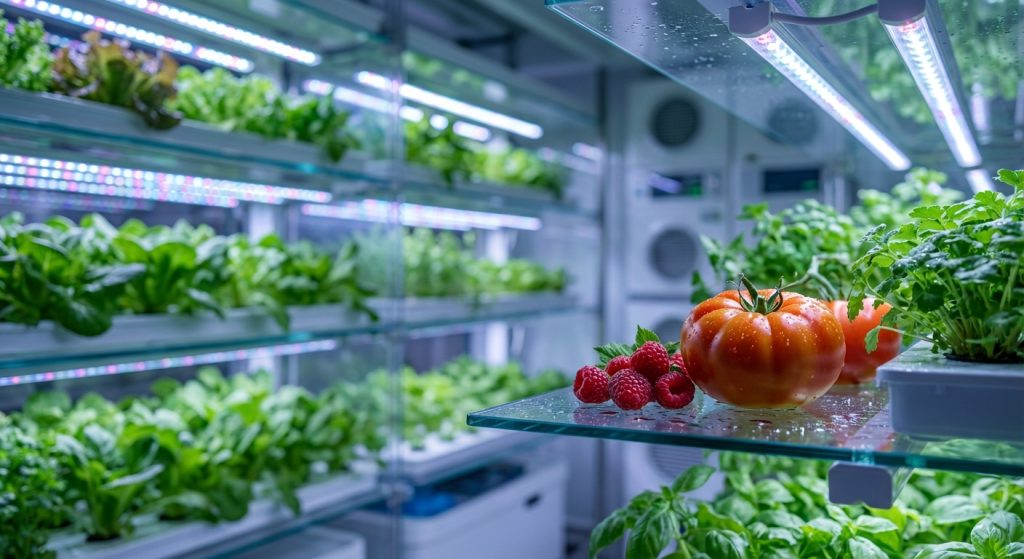
Food security is a global challenge. We need new ways to grow food. Vertical farming offers a powerful solution. It uses advanced technology. It grows crops indoors. It does not need soil. This method is changing agriculture. It can help feed a growing world population.
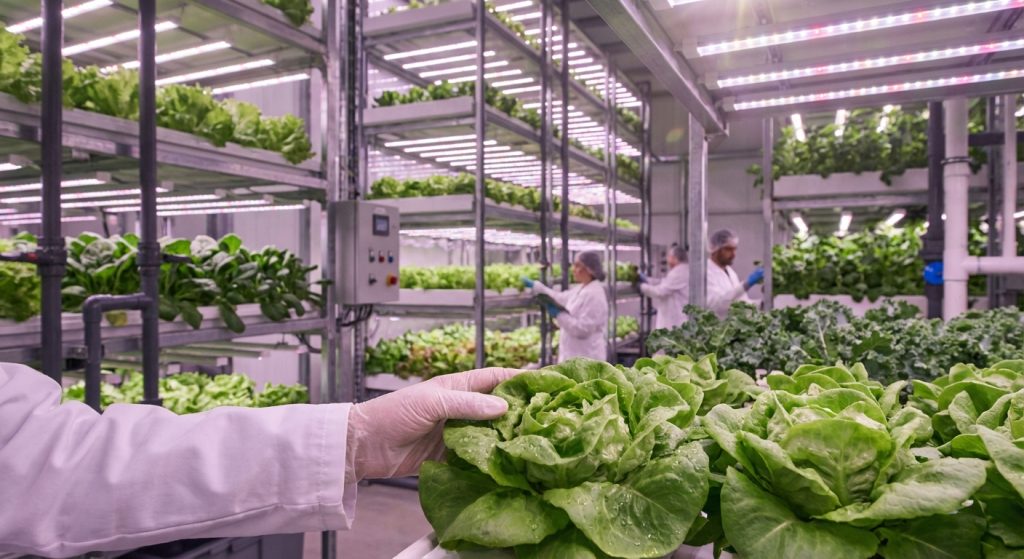
What is Vertical Farming?
Vertical farming is a method of growing crops. It happens in vertically stacked layers. These farms are often in controlled environments. Think warehouses or shipping containers. They use artificial lighting. They control temperature and humidity. They also manage nutrient delivery. This is done without soil. It is also called soilless farming.
This approach is highly efficient. It uses less space than traditional farming. It can grow food in urban areas. This reduces transportation distances. It also lowers carbon emissions. Furthermore, it ensures year-round production. Weather no longer dictates harvests.
The Science Behind Soil-less Cultivation
Vertical farms rely on several key scientific principles. Hydroponics, aeroponics, and aquaponics are common methods. These systems deliver nutrients directly to plant roots. They use water-based solutions. This is a major departure from soil-based agriculture.
Hydroponics
Hydroponics involves growing plants in nutrient-rich water. The roots are suspended in this solution. There is no soil involved. Different hydroponic systems exist. These include Deep Water Culture (DWC) and Nutrient Film Technique (NFT).
Aeroponics
Aeroponics takes it a step further. Plants are suspended in the air. Their roots are misted with nutrient solutions. This method uses very little water. It promotes rapid growth. It also maximizes oxygen to the roots.
Aquaponics
Aquaponics combines hydroponics with aquaculture. Fish are raised in tanks. Their waste provides nutrients for the plants. The plants, in turn, filter the water for the fish. This creates a symbiotic ecosystem.
Benefits for Food Security
Vertical farming offers significant advantages for food security. It addresses many limitations of traditional farming. Firstly, it increases food production. It does this on a smaller land footprint. This is crucial for urban environments.
Moreover, it reduces reliance on weather. Extreme weather events are becoming more common. Vertical farms are immune to droughts and floods. They can produce food consistently. This stability is vital for food supply chains.
Additionally, it minimizes pesticide use. The controlled environment prevents pests. This leads to healthier produce. It also reduces environmental contamination. Therefore, the food produced is safer.
Addressing Environmental Concerns
While vertical farming has many benefits, it also has challenges. Energy consumption is a primary concern. Artificial lighting and climate control require significant electricity. However, this is changing. Many farms now use renewable energy sources. Solar and wind power are becoming more common. This makes vertical farms more sustainable.
Water usage is another area of improvement. Vertical farms use up to 95% less water than traditional farms. This is because water is recirculated. It is not lost to runoff or evaporation. This conserves a precious resource. You can learn more about water conservation in agriculture in our article on hydroponics and aeroponics.
Economic Viability and Investment Opportunities
The vertical farming market is growing rapidly. It presents significant investment opportunities. Agri-tech startups are innovating constantly. They are developing more efficient systems. They are also reducing operational costs. As a result, the industry is becoming more profitable.
Urban planners can integrate vertical farms into city designs. This creates local food sources. It also creates green jobs. Investors see the potential for high returns. The demand for fresh, locally grown food is increasing. This trend supports the growth of vertical farming.
The global vertical farming market is projected to grow substantially. Some reports suggest it could reach billions of dollars in the coming years. This growth is driven by technological advancements and market demand. Therefore, it is an attractive sector for investment.
Challenges and Future Outlook
Despite its promise, vertical farming faces hurdles. High initial setup costs are a barrier. Energy efficiency needs continuous improvement. Also, not all crops are suitable for vertical farming yet. For instance, staple crops like wheat are challenging to grow economically.
However, research is ongoing. Scientists are developing new lighting technologies. They are also improving nutrient delivery systems. Automation and AI are playing a larger role. These advancements will further optimize production. They will also reduce costs.
The future of vertical farming looks bright. It will likely complement, not replace, traditional agriculture. It offers a way to grow food sustainably. It can do this in challenging environments. Furthermore, it can help build resilient food systems. This is essential for a growing global population.
Frequently Asked Questions
What are the main advantages of vertical farming?
Vertical farming offers numerous advantages. These include increased crop yields, reduced land and water usage, year-round production independent of weather, minimized pesticide use, and the ability to grow food in urban areas, reducing transportation costs and emissions. It contributes significantly to local food security and sustainability.
Is vertical farming more expensive than traditional farming?
Initially, the setup costs for vertical farms can be higher. This is due to the advanced technology required, such as lighting, climate control systems, and automation. However, over time, the reduced operational costs related to water, pesticides, and transportation, coupled with higher yields, can make vertical farming economically competitive, especially in urban settings.
What types of crops are best suited for vertical farming?
Leafy greens, herbs, and small fruits like strawberries are currently the most common and economically viable crops for vertical farming. This is because they have shorter growth cycles and are well-suited to controlled environments. Research is ongoing to expand the range of crops that can be grown efficiently.
How does vertical farming impact the environment?
Vertical farming can have a positive environmental impact by significantly reducing water consumption and land use. It also minimizes pesticide runoff. The main environmental challenge is energy consumption for lighting and climate control, but this is being addressed through the use of renewable energy sources and more energy-efficient technologies.
What is the role of investors in vertical farming?
Investors play a crucial role in funding the research, development, and scaling of vertical farming operations. Their capital helps build new farms, develop innovative technologies, and bring soil-less agriculture to more communities. The growing demand for sustainable food solutions makes vertical farming an attractive investment area.
Conclusion
Vertical farming is more than just a trend. It is a science-driven solution. It addresses critical food security challenges. It offers a sustainable path forward. By moving agriculture indoors, we can grow more food. We can do this with fewer resources. This technology is vital for our future. It supports urban resilience. It also drives agricultural innovation.
For agri-tech startups, it’s a field ripe with opportunity. For urban planners, it’s a tool for creating more livable cities. For investors, it’s a chance to support a sustainable future. The science of soil-less crop production is here to stay. It is helping to feed the world, one layer at a time.
