
Avian Flu: Vigilance to Prevent the Next Pandemic
Published on January 14, 2026 by Admin

Avian influenza, commonly known as bird flu, poses a significant threat. This highly contagious disease affects poultry. More importantly, it can spill over to humans. Therefore, robust surveillance is crucial. It is our primary defense against a global pandemic. This article explores why avian influenza surveillance is vital. We will also discuss strategies for effective prevention.
The Ever-Present Threat of Avian Influenza
Avian influenza viruses circulate among birds. Wild waterfowl are natural reservoirs. They often show no signs of illness. However, when these viruses infect domestic poultry, they can cause severe disease. This leads to widespread mortality. Consequently, this impacts food security and economies worldwide. The concern escalates when these viruses gain the ability to infect humans. This can happen through close contact with infected birds or contaminated environments. Several strains, like H5N1 and H7N9, have caused human infections.
Human infections are often severe. They can lead to pneumonia and respiratory failure. While human-to-human transmission is currently limited, the virus’s potential to adapt is a major worry. For example, mutations could allow for easier spread among people. This is the scenario that public health officials dread. A highly transmissible and virulent strain could trigger a global health crisis.
Why is Avian Influenza Surveillance So Important?
Effective avian influenza surveillance provides early warnings. It allows us to detect outbreaks quickly. This is critical for rapid response. Surveillance operates on multiple levels. It monitors wild bird populations. It also focuses on domestic poultry farms. Furthermore, it tracks human cases. Each level offers vital information.
Monitoring Wild Bird Populations
Wild birds are the natural carriers of avian influenza viruses. Monitoring their health and movements helps us understand virus circulation. It can detect novel strains or shifts in viral behavior. This data is invaluable for predicting potential risks to domestic poultry. For instance, tracking migratory patterns can alert us to areas where the virus might spread. Scientists collect samples from wild birds. They analyze these for the presence of specific influenza strains.
Surveillance in Domestic Poultry
Domestic poultry farms are high-risk environments. Birds are kept in close proximity. This facilitates rapid virus transmission. Therefore, regular monitoring of poultry flocks is essential. This includes clinical observations and laboratory testing. Early detection on farms allows for swift containment measures. Such measures include culling infected flocks and implementing biosecurity protocols. This prevents further spread within the farm and to neighboring farms.
Biosecurity is a cornerstone of prevention. It involves measures to prevent disease introduction and spread. Strict hygiene practices are paramount. This includes controlling access to farms. It also involves proper waste management and disinfection. Effective biosecurity significantly reduces the risk of outbreaks. You can learn more about general biosecurity principles in related fields, such as those discussed in circular water systems, which emphasize containment and preventing contamination.
Human Health Surveillance
Monitoring human cases of avian influenza is equally critical. It helps identify potential zoonotic transmission events. Public health officials track individuals with severe respiratory illness. Especially those with a history of contact with birds. This allows for prompt diagnosis and treatment. It also provides crucial data on how the virus behaves in humans. This information guides public health interventions. For example, identifying human cases early can trigger enhanced surveillance in poultry. It can also inform public health messaging.
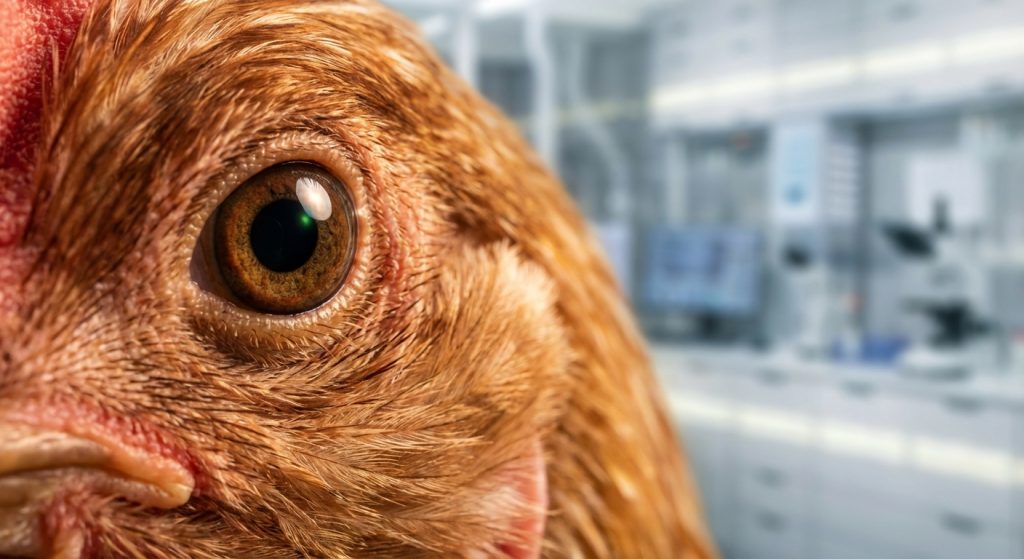
Key Components of an Effective Surveillance Program
A successful avian influenza surveillance program requires a multi-faceted approach. It needs collaboration across sectors. It also demands robust laboratory capacity and skilled personnel.
Laboratory Diagnostics
Accurate and rapid laboratory testing is the backbone of surveillance. Advanced diagnostic tools are needed. These tools can detect avian influenza viruses quickly. They can also identify specific subtypes. Real-time PCR tests are commonly used. These tests provide rapid results. They are essential for timely decision-making. Furthermore, laboratories must be able to sequence viral genomes. This helps track mutations and understand viral evolution.
Data Management and Sharing
Effective surveillance generates vast amounts of data. This data must be managed systematically. Secure databases are essential. They should store epidemiological and laboratory findings. Crucially, this information needs to be shared promptly. Sharing data among veterinary services, public health agencies, and international organizations is vital. This facilitates a coordinated global response. Timely data sharing allows for a more comprehensive understanding of the threat.
Risk Assessment and Communication
Surveillance data should inform risk assessments. These assessments help prioritize resources. They also guide control measures. Clear and consistent communication is also key. This includes informing poultry farmers, the public, and policymakers. Transparent communication builds trust. It encourages cooperation. For instance, public health campaigns can educate people about safe practices when interacting with birds. Similarly, veterinary advice can help farmers implement better biosecurity. Understanding animal behavior is also crucial; insights from animal instincts can inform management strategies.
Challenges in Avian Influenza Surveillance
Despite its importance, avian influenza surveillance faces significant challenges. These include funding limitations and geographical barriers.
Funding and Resources
Implementing and maintaining comprehensive surveillance programs requires substantial funding. Many countries, particularly low- and middle-income nations, struggle with limited resources. This can lead to gaps in surveillance coverage. It can also hinder the adoption of advanced diagnostic technologies. Therefore, sustained investment is crucial for global health security. International cooperation and financial aid play a vital role here.
Geographical and Logistical Hurdles
Vast geographical areas and remote locations can make surveillance difficult. Reaching wild bird habitats or remote poultry farms presents logistical challenges. This includes transportation, sample collection, and timely delivery to laboratories. Overcoming these hurdles requires innovative approaches. Drones and remote sensing technologies are being explored. They can aid in monitoring large areas. Telemedicine also offers solutions for remote areas, as seen in veterinary telemedicine.
Pathogen Evolution and Novel Strains
Avian influenza viruses are highly adaptable. They constantly evolve. This means new strains can emerge. These strains might evade existing surveillance methods. They could also possess increased transmissibility or virulence. Therefore, surveillance systems must be flexible. They need to adapt to detect novel threats. Continuous research into viral evolution is essential.
The “One Health” Approach: A Collaborative Solution
The “One Health” approach is fundamental to combating zoonotic diseases like avian influenza. This framework recognizes the interconnectedness of human, animal, and environmental health. It promotes collaboration among veterinarians, physicians, ecologists, and policymakers. By working together, these professionals can identify risks early. They can also implement integrated prevention and control strategies. This holistic view is essential for preventing pandemics.
The One Health initiative emphasizes shared responsibility. It highlights how animal health directly impacts human health. And vice versa. This concept is explored further in articles discussing the broader links between environmental factors and well-being, such as those on the One Health approach.
Preventing the Next Pandemic: A Call to Action
Preventing the next global pandemic requires sustained commitment to avian influenza surveillance. This is not just a task for governments or international bodies. It involves everyone in the food chain. Poultry farmers play a crucial role. They must adhere to biosecurity measures. Veterinarians are on the front lines. They diagnose, monitor, and advise. Public health officials manage human health aspects. Researchers contribute by understanding the virus. Continuous investment in surveillance infrastructure is non-negotiable. Furthermore, global cooperation is paramount. No single nation can tackle this threat alone.
Strengthening surveillance systems is an investment. It is an investment in global health security. It is also an investment in economic stability. And in safeguarding human lives. By remaining vigilant and proactive, we can mitigate the devastating impact of avian influenza. We can, therefore, build a more resilient future.
Frequently Asked Questions (FAQ)
What is avian influenza?
Avian influenza is a viral disease that affects birds. It is commonly known as bird flu. Wild birds, especially waterfowl, are natural carriers. It can cause severe illness and death in domestic poultry. It can also infect humans.
Why is surveillance important for avian influenza?
Surveillance allows for early detection of outbreaks. This enables rapid response and containment. It helps prevent the spread of the virus. This is crucial for protecting both animal and human health. It also helps in understanding virus evolution.
What are the main components of an avian influenza surveillance program?
Key components include monitoring wild birds, domestic poultry, and human cases. It also requires robust laboratory diagnostics, effective data management, and clear communication. Risk assessment is also a vital part.
Can humans get avian influenza?
Yes, humans can contract avian influenza. This typically happens through close contact with infected birds or contaminated environments. However, human-to-human transmission is currently rare.
What is the “One Health” approach?
The “One Health” approach recognizes that human, animal, and environmental health are interconnected. It promotes collaboration among different professions to address health threats. This is essential for controlling zoonotic diseases like avian influenza.
