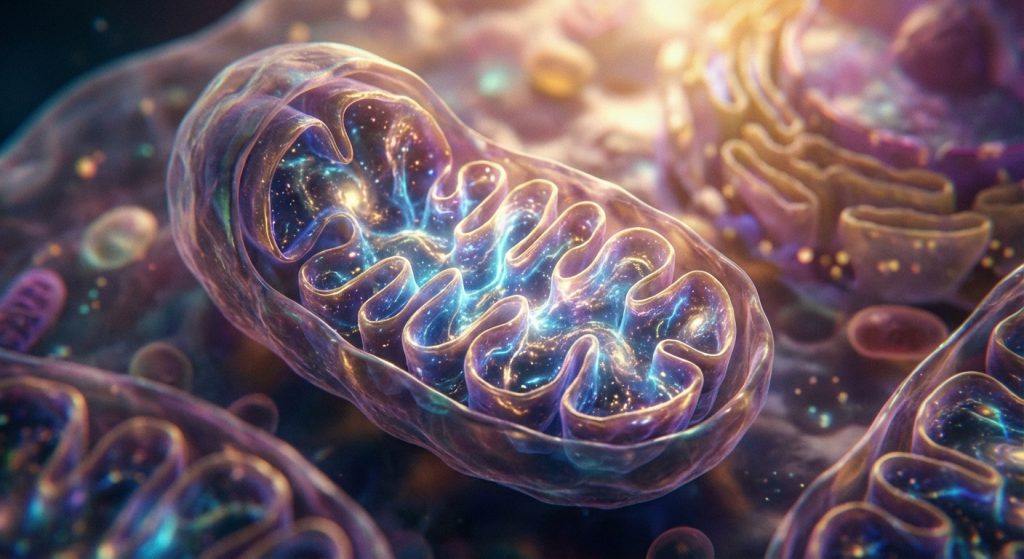
Aging is a natural process. However, the rate at which we age can be influenced. New research highlights mitochondria, the powerhouses of our cells, as central to this process. Understanding their health is crucial for longevity.
This article explores the vital role of mitochondria in cellular aging. We will delve into why these tiny organelles decline with age. Furthermore, we will discuss strategies to maintain mitochondrial health. This knowledge is essential for biohackers, longevity seekers, and sports scientists alike.
The Powerhouses of Your Cells
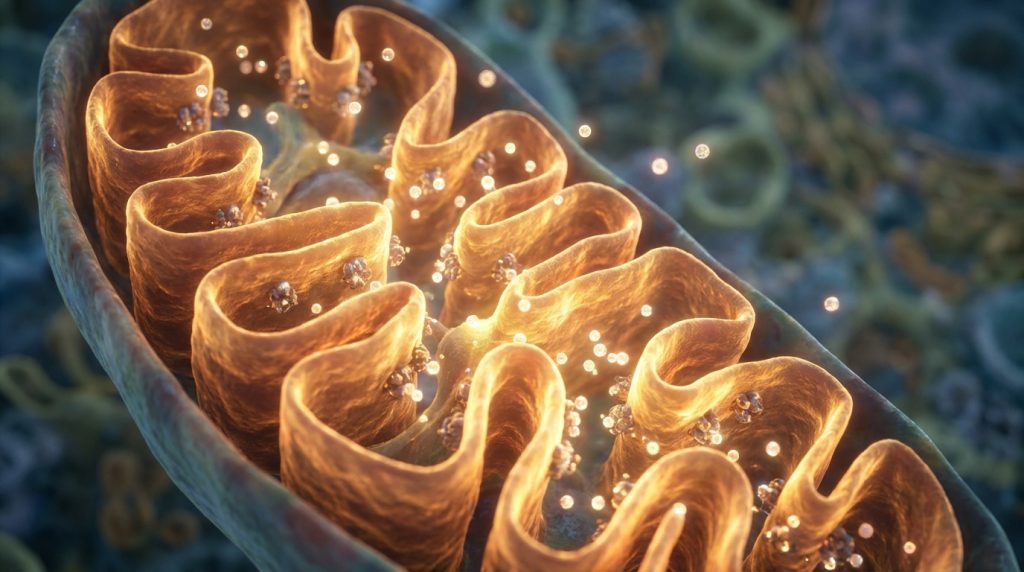
Mitochondria are often called the “powerhouses of the cell.” This is because they generate most of the cell’s supply of adenosine triphosphate (ATP). ATP is used as a source of chemical energy. Without healthy mitochondria, our cells cannot function optimally. This decline affects energy production significantly.
As we age, these vital energy producers start to falter. This isn’t just about feeling tired. A breakdown in their energy-making system, known as OXPHOS, occurs over time. Consequently, cells produce less energy. This impact is particularly strong in organs that demand a lot of energy, such as the brain, heart, and muscles. This may also explain why we become more vulnerable to diseases as we get older.
Mitochondrial DNA and Instructions
Mitochondria need instructions from two main sources to function correctly. These are our cell’s nucleus and their own DNA. With age, this crucial teamwork gets disrupted. Mistakes can build up in mitochondrial DNA over time. This leads to damage in the energy system.
Our cells then struggle to bring in and assemble the proteins needed to keep mitochondria running. Damaged mitochondria also produce more harmful molecules. These are called reactive oxygen species (ROS). ROS can further harm the cell. Therefore, maintaining the integrity of mitochondrial DNA is paramount.
Why Do Mitochondria Decline with Age?
The aging process is complex. It involves many interrelated molecular mechanisms and cellular systems. A key factor identified in this process is mitochondrial dysfunction. This decline is associated with normal aging. It also correlates with the development of many age-related diseases.
Scientists have long observed that aging in model organisms is accompanied by a decline in mitochondrial function. This decline may contribute to the age-dependent loss of organ function. Similarly, a decrease in mitochondrial function is observed in humans. This decrement can predispose individuals to certain age-related diseases. It is also known that mitochondrial mutations increase in frequency with age.
The Role of OXPHOS Breakdown
A critical part of the energy-making system within mitochondria is Oxidative Phosphorylation (OXPHOS). Recent research points to the breakdown of OXPHOS as a significant contributor to aging. This breakdown affects how much energy cells can produce.
When OXPHOS falters, cells become less efficient. This inefficiency can lead to a buildup of cellular damage. It also contributes to the overall decline in cellular function seen with aging. Therefore, strategies that support OXPHOS function are vital.
Disrupted Communication and Protein Synthesis
Mitochondria rely on a coordinated effort between the cell nucleus and their own genetic material. This communication is essential for producing the proteins that power cellular energy production. As we age, this intricate communication system can become less effective.
Consequently, cells may struggle to synthesize the necessary proteins. This protein synthesis issue directly impacts mitochondrial function. It hinders their ability to generate energy efficiently. This disruption is a hallmark of cellular aging.
Mitochondrial Health and Longevity
Keeping our mitochondria healthy could be the key to living longer, stronger, and healthier lives. The connection between mitochondrial function and aging is becoming increasingly clear. Improving mitochondrial quality and function may have far-reaching beneficial effects.
Research suggests that strategies aimed at enhancing mitochondrial health can influence the aging process. This opens up new avenues for therapeutic interventions. Targeting mitochondria directly offers hope for combating age-related decline.
NAD+ and Mitochondrial Reservoirs
Nicotinamide adenine dinucleotide (NAD+) is a crucial molecule found in every living cell. It plays an important role in energy creation and DNA repair. Interestingly, mitochondria act as “reservoirs” for NAD+. They store it for the cell to use when needed.
However, NAD+ levels tend to deplete with age. When mitochondrial NAD+ stores are low, cells may not have enough energy to function adequately. This depletion links two key hallmarks of aging: mitochondrial dysfunction and dysregulated NAD+ levels. Excessive consumption of mitochondrial NAD+ might be a key factor leading to dysfunctional mitochondria and aging-associated diseases.
Autophagy and Cellular Recycling
Autophagy is the cell’s natural recycling program. It breaks down and removes damaged cellular components. This process is essential for maintaining cellular health. When nutrients are scarce, cells activate autophagy to reuse building blocks.
Importantly, autophagy decreases with age. Activating autophagy has positive effects on health and lifespan. Its activation is linked to nutrient availability and cellular energy status. This is regulated by signaling pathways like the “IIT network.” This network adjusts metabolic processes based on nutrient needs.
Strategies to Enhance Mitochondrial Health
Given the central role of mitochondria in aging, several strategies can help maintain their health. These approaches target various aspects of mitochondrial function and cellular well-being.
Dietary Approaches
What we eat significantly impacts our health and aging process. Reducing food intake, or dietary restriction, can lead to a healthier and longer life in some animals. However, it’s not just the quantity of food, but also the quality. The individual nutrients in food have a direct effect.
For instance, diets high in protein and certain amino acids may shorten lifespan. Conversely, reduced intake of specific amino acids can have positive health effects, even in humans. Avoiding a high-protein diet might prolong life and improve health in old age. However, many beneficial diets in model organisms are difficult for humans to maintain. Further research is ongoing in this area.
Exercise and Physical Activity
Exercise and diet are major influences on the rate of aging in most animals. Regular physical activity is beneficial for overall health. It also plays a role in mitochondrial function. Exercise can help improve the efficiency of energy production and reduce oxidative stress.
Enhanced physical activity is listed among interventions that may alleviate age-related changes. It supports cellular health and can contribute to a longer, healthier lifespan. For athletes and active individuals, optimizing mitochondrial function through exercise is key.
Targeting Nutrient Sensing Pathways
Nutrient sensing pathways play a crucial role in regulating cellular processes. The “IIT network” is one such pathway. It responds to the availability of nutrients like amino acids. This network controls development, cell division, growth, reproduction, and stress response.
By influencing these nutrient sensing pathways, we can potentially impact aging. Strategies that mimic aspects of dietary restriction, such as intermittent fasting, are being explored. These can modulate nutrient sensing and activate cellular repair mechanisms like autophagy.
Managing Oxidative Stress
As mentioned, damaged mitochondria produce harmful ROS. This leads to oxidative stress. Oxidative stress damages cells and contributes to aging. Antioxidants can help combat this damage. They neutralize ROS and protect cellular components.
A diet rich in antioxidants, found in fruits and vegetables, is beneficial. Certain supplements may also provide antioxidant support. However, it is always best to consult with a healthcare professional before starting any new supplement regimen.
Gut Microbiome and Mitochondria
The bacteria in our gut, the intestinal flora, also affect our health and aging. Studies have shown that the composition of gut bacteria can influence lifespan. For example, old fish lived longer when given the gut bacteria of young fish.
The gut microbiome influences food intake, metabolism, and immune defense. Its composition changes with age. A decrease in beneficial bacteria and an increase in pathogens are observed. Since the human gut microbiome is similar to that of killifish, these findings may be relevant to human aging. A healthy gut microbiome can indirectly support mitochondrial health through improved nutrient absorption and reduced inflammation.
The Future of Mitochondrial Research
Scientists are actively developing new tools and technologies. These advancements aim to better understand and potentially repair mitochondria. The field of mitochondrial medicine is rapidly evolving. Conferences like the World Congress on Targeting Mitochondria highlight this progress.
Research is exploring ways to target mitochondrial pyruvate carriers for metabolic therapies. There is also interest in mitochondrial transfer and transplantation. These innovative approaches hold promise for treating diseases and promoting longevity. The focus is on improving mitochondrial quality and function to slow down the aging process.
Frequently Asked Questions
What are mitochondria and why are they important for aging?
Mitochondria are known as the “powerhouses” of the cell because they produce energy. As we age, their function declines, leading to less energy production and increased vulnerability to age-related diseases. This decline is a significant factor in the aging process.
Can mitochondrial health be improved?
Yes, mitochondrial health can be improved through various strategies. These include a balanced diet, regular exercise, managing nutrient sensing pathways, and supporting cellular recycling mechanisms like autophagy.
What is the role of NAD+ in mitochondrial aging?
NAD+ is a vital molecule for energy production and DNA repair. Mitochondria act as reservoirs for NAD+. With age, NAD+ levels deplete, which can impair mitochondrial function and contribute to aging. Maintaining NAD+ levels is therefore important.
How does diet affect mitochondrial health?
Diet plays a crucial role. Reducing calorie intake and focusing on nutrient-dense foods can support mitochondrial function. Avoiding excessive protein and certain amino acids may also be beneficial for longevity.
Are there any supplements that can help mitochondrial health?
Some supplements, like CoQ10 and certain B vitamins, are associated with mitochondrial support. However, it’s essential to consult with a healthcare professional before taking any supplements, as individual needs vary.
Conclusion
Mitochondrial health is undeniably a cornerstone of cellular aging. These tiny organelles are not just energy factories; they are intricate players in cellular signaling and overall organismal health. As we age, their decline contributes to reduced vitality and increased disease susceptibility.
By understanding the mechanisms behind mitochondrial aging, we can adopt proactive strategies. Diet, exercise, and supporting cellular processes like autophagy are key. Furthermore, ongoing research into mitochondrial function and NAD+ metabolism offers exciting possibilities for future interventions. Focusing on mitochondrial well-being is a powerful approach for biohackers, longevity seekers, and sports scientists aiming to optimize health and extend healthy lifespan.