Mastering Hospital Infection Control: A Guide for Quality Managers
Published on January 19, 2026 by Admin
Hospital-acquired infections (HAIs) pose a significant threat. They impact patient outcomes. They also increase healthcare costs. Therefore, robust infection control is vital. Care Quality Managers play a crucial role. They must lead these efforts effectively. This article explores key strategies. It aims to empower managers. It helps them create safer healthcare environments.
Understanding the Threat of HAIs
HAIs are infections acquired during healthcare. They occur in any setting. This includes hospitals, nursing homes, and outpatient facilities. Common HAIs include urinary tract infections, pneumonia, and surgical site infections. Furthermore, bloodstream infections are also a concern. These infections are often caused by bacteria. However, viruses and fungi can also be culprits. They can spread through contaminated hands, equipment, or surfaces. Moreover, the rise of antibiotic-resistant organisms makes control even harder. Therefore, understanding the sources and pathways of infection is the first step.
The Multifaceted Impact of HAIs
The consequences of HAIs are far-reaching. For patients, they mean prolonged illness. They can lead to disability or even death. Consequently, patient satisfaction decreases. For hospitals, HAIs mean increased length of stay. This results in higher treatment costs. Regulatory bodies also scrutinize HAI rates. Poor performance can lead to penalties. Therefore, preventing HAIs is not just good practice; it is essential for quality care and financial sustainability.
Core Principles of Hospital Infection Control
Effective infection control relies on several fundamental principles. Adhering to these principles forms the backbone of any successful program. Firstly, hand hygiene is paramount. It is the single most effective way to prevent transmission. Secondly, environmental cleaning and disinfection are critical. This includes patient rooms and shared spaces.
Hand Hygiene: The First Line of Defense
Healthcare workers’ hands are major vectors. They can easily transfer microorganisms. Therefore, strict adherence to hand hygiene protocols is non-negotiable. This involves washing hands with soap and water. It also includes using alcohol-based hand rubs. These practices must occur before and after patient contact. They are also necessary after contact with bodily fluids. Furthermore, proper technique is essential. Staff training and regular audits ensure compliance. For example, a simple hand rub can prevent many infections.
Environmental Cleaning and Disinfection
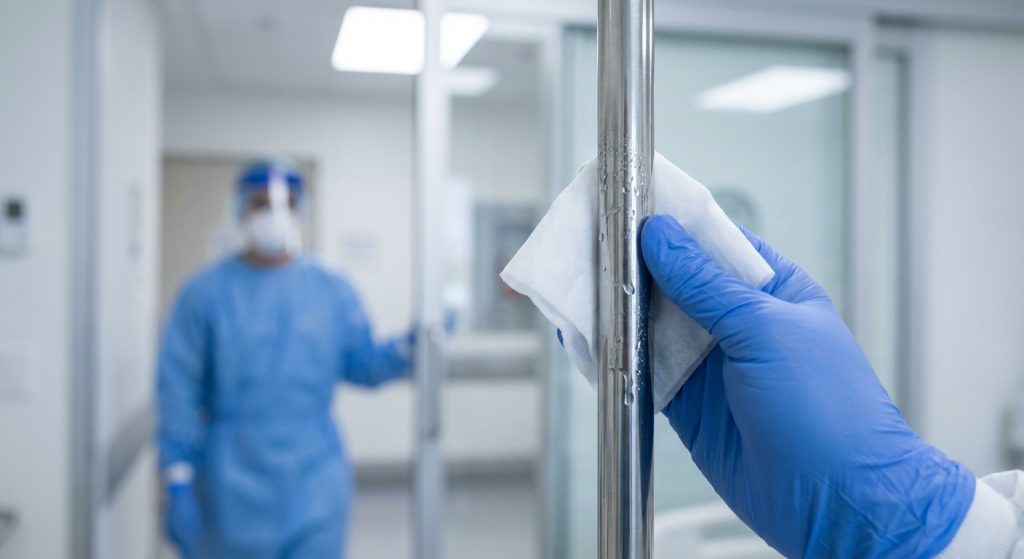
The hospital environment can harbor pathogens. Thorough cleaning reduces this risk. High-touch surfaces require frequent disinfection. This includes bed rails, doorknobs, and medical equipment. Cleaning protocols should be evidence-based. They must be consistently implemented. Staff training on proper cleaning agents and techniques is vital. Moreover, using the correct disinfectants for specific pathogens is important. For instance, some pathogens require specialized cleaning agents.
Key Strategies for Infection Prevention
Beyond basic principles, several advanced strategies are crucial. These strategies target specific infection risks. They require coordinated efforts from all departments. Consequently, a comprehensive approach is necessary.
Sterilization and Disinfection of Medical Equipment
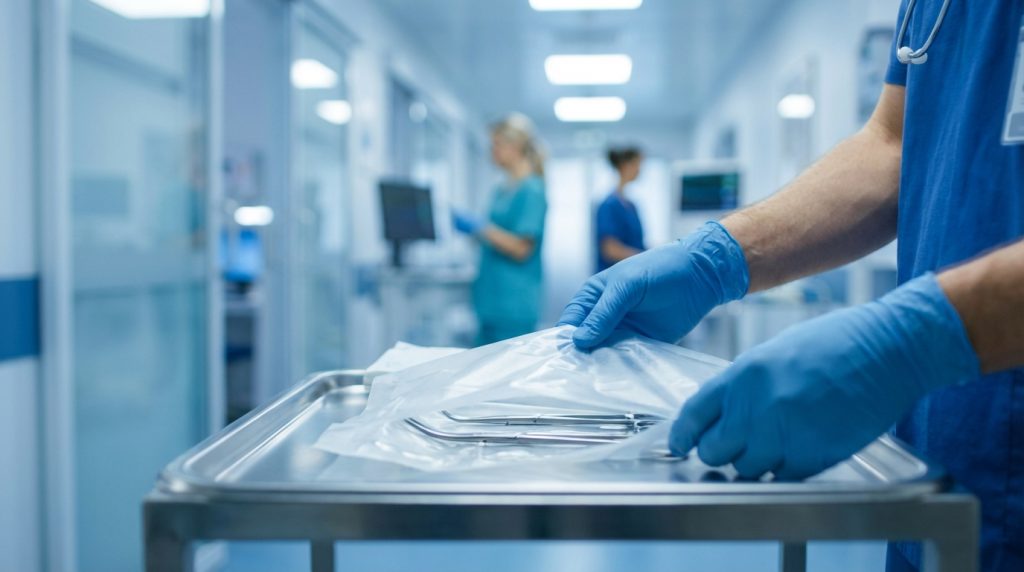
Reusable medical devices can transmit infections. Proper sterilization and disinfection are essential. This process ensures that instruments are safe for reuse. Different types of equipment require different methods. Autoclaving is a common sterilization method. Chemical disinfectants are also used. Strict protocols must be followed. This includes proper cleaning before sterilization. It also involves regular maintenance of equipment. Furthermore, tracking the sterilization process is important for accountability.
Antibiotic Stewardship Programs
The overuse and misuse of antibiotics drive resistance. Antibiotic stewardship programs combat this. They promote the appropriate use of antibiotics. This includes prescribing the right drug, dose, and duration. Furthermore, they aim to reduce unnecessary antibiotic use. Hospitals should have a dedicated team for this. This team monitors antibiotic prescribing patterns. They also provide guidance to clinicians. Effective stewardship preserves the efficacy of antibiotics. This is crucial for treating infections, especially those caused by resistant bacteria. You can learn more about the broader fight against resistance in our article on Antibiotic Resistance: The Global Threat and New Treatments.
Isolation Precautions
When a patient has a contagious infection, isolation is necessary. This prevents its spread to others. Different types of precautions exist. These include contact, droplet, and airborne precautions. Staff must be trained on applying these correctly. This involves using personal protective equipment (PPE). It also means using dedicated equipment for isolated patients. Signage on patient rooms is also important. Clear communication with patients and visitors is key.
Staff Education and Training
A knowledgeable healthcare workforce is crucial. Regular training ensures staff are up-to-date. They need to understand infection risks. They must also know prevention strategies. This includes hand hygiene, PPE use, and waste disposal. Training should be ongoing. It should cover new guidelines and emerging threats. For example, understanding how pathogens spread is fundamental. Therefore, investing in staff education is investing in patient safety.
Surveillance and Data Monitoring
Tracking HAIs is essential for improvement. Surveillance involves collecting data on infections. It helps identify trends and outbreaks. Data analysis can pinpoint problem areas. For instance, a rise in specific HAIs might indicate a breakdown in protocols. Hospitals should have a system for real-time monitoring. This allows for rapid intervention. Moreover, reporting HAI rates transparently is important. This fosters accountability. Effective surveillance is a cornerstone of a proactive infection control program. Global efforts in monitoring are vital, as discussed in Global AMR Surveillance: A Vital Fight.
The Role of Technology in Infection Control
Technology offers powerful tools for infection prevention. These tools can enhance existing strategies. They can also introduce new methods.
Advanced Cleaning Technologies
New technologies are improving environmental cleaning. UV-C disinfection devices can kill pathogens. They are effective in hard-to-reach areas. Robotic cleaning systems can also enhance efficiency. These technologies supplement manual cleaning. They help achieve higher standards of cleanliness. Therefore, they are valuable additions to the infection control arsenal.
Rapid Diagnostic Tools
Early and accurate diagnosis is key. Rapid diagnostic tests can identify pathogens quickly. This allows for prompt treatment. It also helps implement appropriate isolation measures faster. Point-of-care testing is a significant advancement. It brings diagnostics closer to the patient. Consequently, treatment decisions can be made more rapidly. This improves patient outcomes and reduces transmission risk. The importance of these tools is highlighted in articles on Rapid Diagnostics: Transforming Healthcare at the Point of Care.
Data Analytics and AI
Artificial intelligence (AI) can analyze vast datasets. It can predict infection risks. It can also identify patterns invisible to humans. AI can optimize cleaning schedules. It can also help personalize antibiotic treatments. Furthermore, AI can monitor staff compliance. This technology is transforming how we approach infection control. It allows for more predictive and preventive measures. The role of AI in drug discovery is also significant, as seen in AI’s Accelerated Path to New Medicines.
Building a Culture of Safety
Ultimately, infection control success depends on culture. A strong safety culture is one where everyone feels responsible. They are empowered to speak up about concerns. This culture is built from the top down. Leadership commitment is essential. Managers must champion infection prevention. They should encourage open communication. They must also recognize and reward safe practices. Furthermore, fostering a just culture is important. This means learning from errors without blame. Therefore, creating this environment is a continuous process.
Frequently Asked Questions (FAQ)
What are the most common types of HAIs?
The most common HAIs include urinary tract infections (UTIs), surgical site infections (SSIs), pneumonia, and central line-associated bloodstream infections (CLABSIs).
How often should hand hygiene be performed?
Hand hygiene should be performed before and after patient contact, before aseptic tasks, after body fluid exposure risk, after touching patient surroundings, and after removing gloves.
What is the role of a Quality Manager in infection control?
A Quality Manager oversees infection control programs. They develop policies, train staff, monitor compliance, analyze data, and drive improvements to reduce HAIs.
Can environmental cleaning alone prevent all HAIs?
No, environmental cleaning is a critical component, but it must be combined with other strategies like hand hygiene, proper sterilization, and antibiotic stewardship for comprehensive prevention.
How does antibiotic resistance affect infection control?
Antibiotic resistance makes infections harder to treat. It necessitates stricter infection control measures to prevent transmission and careful stewardship to preserve existing antibiotics. This is a growing global concern, and understanding it is crucial.
Conclusion
Hospital infection control is a complex, dynamic field. It requires constant vigilance. Care Quality Managers are at the forefront of this battle. By understanding the threats, implementing robust strategies, embracing new technologies, and fostering a strong safety culture, they can significantly reduce HAIs. This leads to better patient outcomes, improved hospital performance, and a safer healthcare system for all. Therefore, prioritizing infection control is not an option; it is a fundamental responsibility.