
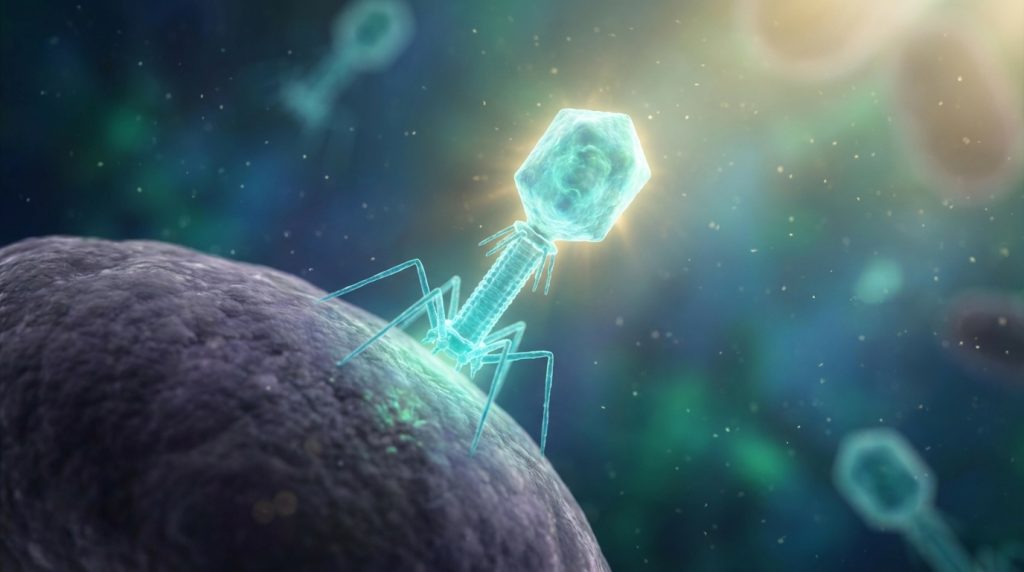
The healthcare landscape is constantly evolving. Investors are always seeking the next breakthrough. For years, antibiotic resistance has been a growing concern. This has created an urgent need for new solutions. Now, bacteriophage (phage) therapy is emerging. It offers a revolutionary approach to combating infections. Phages are natural viruses. They specifically target and destroy bacteria. This makes them a powerful tool. They are poised to transform medicine.
This therapy is not entirely new. It has a history dating back to the early 20th century. However, the advent of widespread antibiotic use overshadowed it. Today, with rising antibiotic resistance, phages are back in focus. They represent a cutting-edge strategy. This is especially true for difficult-to-treat infections. For biotech investors, understanding phage therapy is crucial. It could unlock significant returns.
The Growing Threat of Antibiotic Resistance
Antibiotic resistance is a silent pandemic. It threatens modern medicine. Bacteria are evolving. They are becoming resistant to our current drugs. This means common infections can become deadly again. For example, diabetic foot ulcers (DFUs) are a major complication of diabetes. Approximately one-third of diabetic patients worldwide are affected by them.
Treating DFUs is increasingly difficult. This is due to multidrug-resistant bacteria. Common culprits include Staphylococcus aureus and Pseudomonas aeruginosa. These pathogens often form biofilms. Biofilms act as a shield. They protect bacteria from antibiotics and the immune system. Therefore, infections become very hard to eliminate. This leads to chronic, non-healing wounds. New treatment approaches are urgently needed.
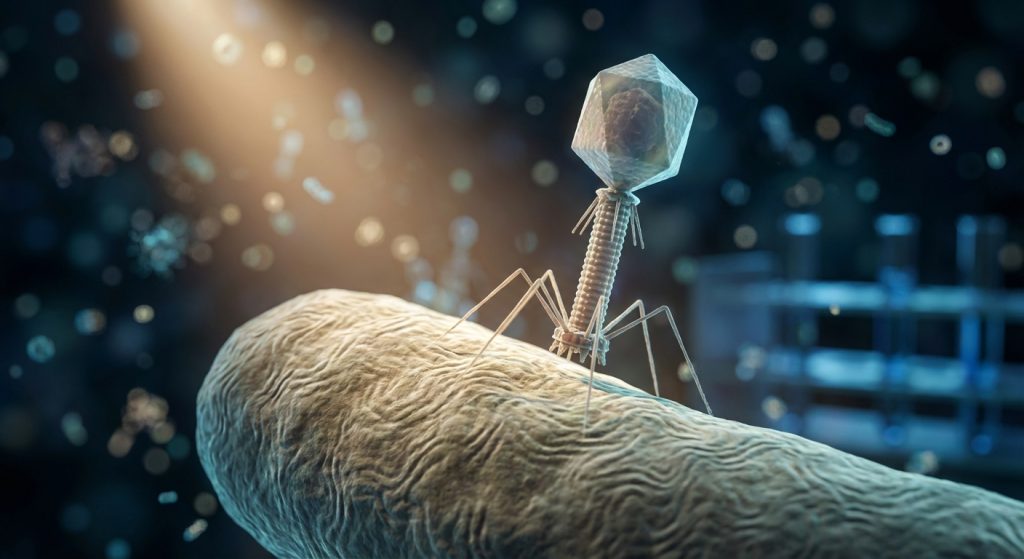
The World Health Organization has declared antibiotic resistance a top global threat. It affects human health, animal health, and the environment. The economic impact is also staggering. The need for novel antimicrobial strategies is paramount. This is where phage therapy offers immense promise. It directly addresses the limitations of traditional antibiotics.
What Are Bacteriophages?
Bacteriophages, or phages, are viruses. They infect bacteria. Importantly, they do not infect human cells. Phages are incredibly diverse. Each phage is highly specific. It typically targets only one or a few strains of bacteria. This specificity is a key advantage. It allows for precise targeting of harmful bacteria. It leaves beneficial bacteria unharmed. This is a stark contrast to broad-spectrum antibiotics.
Phages work by hijacking the bacteria’s machinery. They replicate inside the bacteria. This process eventually lyses, or bursts, the bacterial cell. This releases new phages. These new phages can then infect more bacteria. This means phages can multiply at the infection site. They can actively fight the infection. This self-replicating nature is a significant benefit. It ensures a sustained therapeutic effect.
Key phage components contribute to their efficacy. These include structural proteins and tail fibers. Tail fibers help the phage attach to the target bacterium. Other components, like endolysins, are enzymes. They break down bacterial cell walls. Furthermore, some phages produce enzymes. These enzymes can degrade bacterial capsules. This helps in breaking down protective layers.
Phage Therapy in Action: Promising Applications
The potential applications of phage therapy are vast. One of the most compelling areas is treating chronic wounds. Diabetic foot ulcers (DFUs) are a prime example. Evidence from laboratory studies, animal models, and early clinical research shows effectiveness. Phage therapy can target drug-resistant bacteria in DFUs. It offers a way to break down biofilms. This is crucial for healing non-healing wounds.
Beyond DFUs, phage therapy shows promise in other areas. It is being explored for respiratory infections. It is also being investigated for urinary tract infections. Ear infections and skin infections are other targets. The specificity of phages makes them ideal for complex infections. They can be used in combination with antibiotics. This can help overcome resistance mechanisms.
Another exciting frontier is cancer treatment. Phages, which infect bacteria, do not infect eukaryotic cells like human cancer cells. However, engineered phages can be designed to target cancer cells. They can also serve as nanocarriers. This means they can deliver therapeutic agents. These agents can include gene therapy, immunotherapy, and vaccines. Phages are also extensively used in vaccine development. Their ease of genetic modification is a major advantage. Engineered phages can provide built-in adjuvant properties and versatility in formulations. This opens up new avenues for cancer therapeutics.
Advantages of Phage Therapy
Phage therapy offers several distinct advantages over traditional antibiotics. Firstly, its high specificity is a major draw. It targets only pathogenic bacteria. This preserves the crucial gut microbiome. A healthy microbiome is vital for overall health. It aids digestion and supports the immune system. Antibiotics often disrupt this balance. They can lead to secondary infections like C. difficile.
Secondly, phages can overcome antibiotic resistance. Bacteria that are resistant to antibiotics can still be susceptible to phages. Phages evolve alongside bacteria. This means they can adapt to bacterial resistance mechanisms over time. This makes them a sustainable treatment option. This is especially important given the escalating problem of antibiotic resistance.
Thirdly, phages can break down biofilms. Biofilms are notoriously difficult to treat. They are a major factor in chronic infections. Phages possess enzymes that can degrade the extracellular matrix of biofilms. This exposes the bacteria within to the phage’s lytic action. It also makes them more vulnerable to other treatments.
Finally, phages can multiply at the infection site. This means a single dose can provide sustained therapeutic action. As long as bacteria are present, the phages can replicate. This can lead to more effective and longer-lasting treatment. This self-dosing capability is unique. It contrasts with antibiotics, which degrade over time.
Challenges and the Path Forward
Despite its immense potential, phage therapy faces challenges. One significant hurdle is regulatory approval. Phages are biological agents. Their development and approval pathways differ from conventional drugs. Ensuring safety and efficacy requires rigorous testing. This process can be lengthy and expensive.
Another challenge is manufacturing. Producing high-quality, pure phage preparations at scale requires specialized expertise. Consistency in production is also vital. This is an area where biotech companies are investing heavily. Developing robust manufacturing processes is key to commercial viability.
Furthermore, the specificity of phages can also be a challenge. While beneficial, it means that a precise phage or phage cocktail must be identified for each infection. This requires sophisticated diagnostics. This is where advancements in areas like AI in personalized healthcare become critical. AI can help match phages to specific bacterial strains quickly.
However, these challenges are being actively addressed. There is a growing global effort to streamline phage therapy development. Research institutions and private companies are collaborating. This includes exploring various delivery methods. These methods range from topical applications for wounds to intravenous administration for systemic infections. The potential for personalized medicine with phage therapy is significant.
Investment Opportunities in Phage Therapy
For biotech investors, the phage therapy sector presents compelling opportunities. Several companies are at the forefront of this revolution. They are developing phage-based therapeutics for a range of conditions. Investment can be directed towards:
- Companies focused on developing phage cocktails for specific bacterial infections.
- Firms specializing in the manufacturing and scale-up of phage products.
- Biotechs developing diagnostic tools to identify bacterial targets for phage therapy.
- Companies exploring engineered phages for novel applications, such as cancer treatment or gene delivery.
The market for antimicrobial treatments is enormous. The growing failure of antibiotics creates a clear demand. Phage therapy offers a sustainable, effective, and precise solution. This positions it for substantial growth. The ability to overcome antibiotic resistance is a game-changer. It addresses a critical unmet medical need.
Investing in phage therapy aligns with a broader trend. This trend is towards precision medicine and novel biological therapies. As research progresses and regulatory pathways become clearer, the market is expected to expand rapidly. Early investment in promising companies could yield significant returns.
Frequently Asked Questions
What is the primary advantage of phage therapy over antibiotics?
Phage therapy’s primary advantage is its high specificity. Phages infect only target bacteria, leaving beneficial microbes unharmed. This contrasts with antibiotics, which often disrupt the entire microbiome.
Can phage therapy treat all bacterial infections?
While phage therapy is versatile, its effectiveness depends on the availability of specific phages for the target bacteria. This often requires identifying the exact bacterial strain and matching it with a suitable phage or phage cocktail.
Are there any side effects associated with phage therapy?
Phage therapy is generally considered safe. Since phages are naturally occurring viruses that target bacteria, they do not infect human cells. However, as with any medical treatment, potential side effects are monitored and studied.
How is phage therapy different from gene therapy?
Gene therapy aims to treat diseases by modifying a patient’s genes. Phage therapy uses bacteriophages, which are viruses that infect bacteria, to combat bacterial infections. While engineered phages can be used to deliver genetic material for therapeutic purposes, the core mechanism of phage therapy is antibacterial.
What is the current regulatory status of phage therapy?
Regulatory pathways for phage therapy are evolving. While approved in some countries for specific compassionate use cases, widespread clinical approval is still in progress in many regions. This is an active area of development for the biotech industry.
Conclusion
Phage therapy is more than just an alternative; it is a revolutionary approach. It offers a powerful solution to the escalating crisis of antibiotic resistance. Its specificity, ability to break down biofilms, and self-replicating nature make it a potent therapeutic tool. From treating chronic diabetic foot ulcers to exploring novel cancer treatments, the applications are expanding.
For biotech investors, phage therapy represents a significant opportunity. The market is ripe for innovation. Companies developing and commercializing phage-based treatments are poised for growth. As research continues and regulatory hurdles are cleared, phage therapy is set to become a cornerstone of future medicine. It promises a new era of targeted, effective, and sustainable infection control.
