Synthetic Biology: A New Arsenal Against Superbugs
Published on January 19, 2026 by Admin
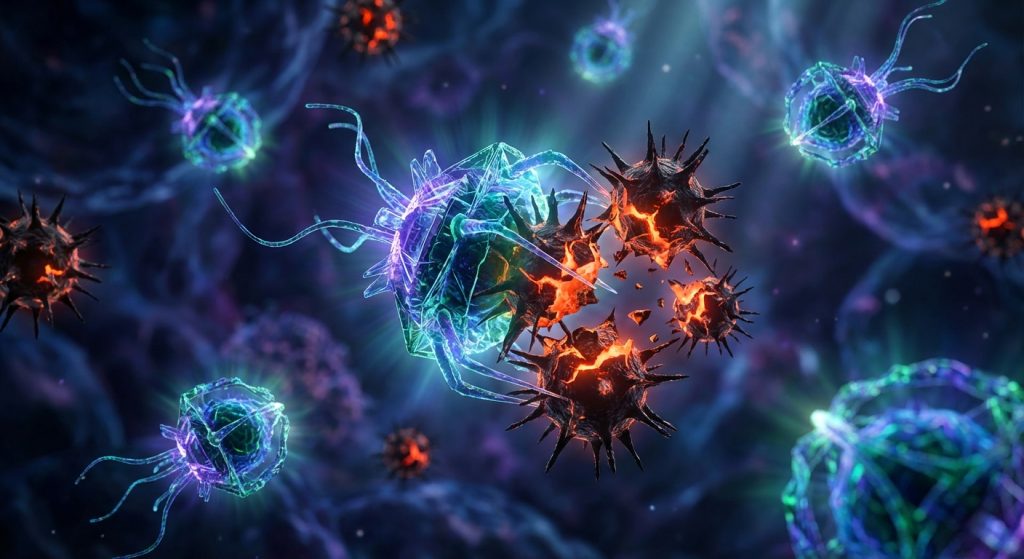
The rise of antibiotic-resistant bacteria poses a grave threat to global health. Traditional antibiotics are losing their effectiveness. This is why new strategies are urgently needed. Synthetic biology offers innovative solutions. It engineers biological systems to create novel antimicrobials. These new tools can combat the growing superbug crisis.
This article explores the exciting field of synthetic biology antimicrobials. We will discuss how it works. We will also cover its potential benefits. Furthermore, we will look at the challenges ahead.
The Superbug Challenge: A Growing Threat
Antibiotic resistance is a major public health concern. Bacteria evolve rapidly. They develop mechanisms to evade drugs. This makes infections harder to treat. It also increases healthcare costs. Therefore, we need to develop new ways to fight these resistant pathogens. The World Health Organization (WHO) has declared antimicrobial resistance (AMR) one of the top 10 global public health threats. Therefore, finding new treatments is crucial.
Many common infections are becoming untreatable. For example, pneumonia, gonorrhea, and urinary tract infections are increasingly resistant. This situation threatens modern medicine. Surgeries, cancer treatments, and organ transplants rely on effective antibiotics. Without them, these procedures become much riskier. Hence, the need for innovative solutions is paramount.
What is Synthetic Biology?
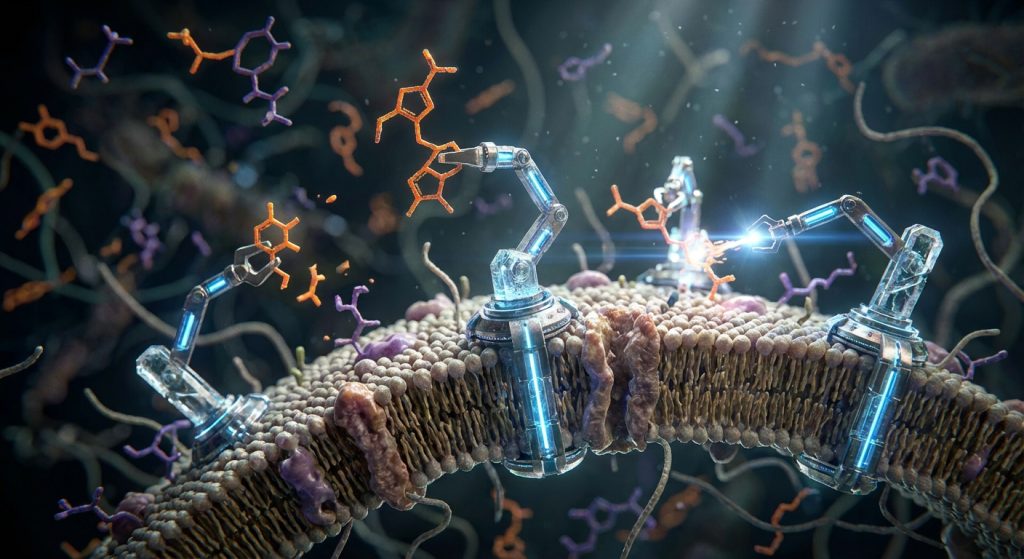
Synthetic biology is an interdisciplinary field. It combines biology, engineering, and computer science. Its aim is to design and construct new biological parts. It also aims to design and build new biological systems. Furthermore, it seeks to redesign existing natural biological systems. This is done for useful purposes. It involves applying engineering principles to biology.
Think of it like building with biological LEGO bricks. Scientists can engineer cells. They can also engineer viruses. They can program them to perform specific tasks. For instance, they can program them to produce therapeutic molecules. Therefore, synthetic biology offers a powerful toolkit for innovation.
How Synthetic Biology Creates Antimicrobials
Synthetic biology approaches can generate antimicrobials in several ways. These methods are often more precise. They can also be more targeted than traditional antibiotics. Let’s explore some key strategies:
Engineered Bacteriophages (Phages)
Bacteriophages are viruses that infect bacteria. They are naturally occurring. Scientists can engineer phages to target specific bacteria. They can also enhance their lytic capabilities. This means they can be programmed to kill bacteria more effectively. Phage therapy is an ancient concept. However, synthetic biology is revitalizing it. It allows for custom-designed phages. These phages can overcome bacterial resistance mechanisms. For instance, some phages can be engineered to degrade bacterial biofilms. Tackling biofilms is a major challenge in infectious disease treatment. Therefore, engineered phages offer a promising avenue.
Designer Antimicrobial Peptides (AMPs)
Antimicrobial peptides are part of the innate immune system. They are found in many organisms. They act as natural defense molecules. Synthetic biology can be used to design novel AMPs. These designer AMPs can have improved potency. They can also have broader spectrum activity. Furthermore, they can be engineered to have reduced toxicity. This is important for therapeutic applications. Novel peptides are a new front against superbugs. They offer a different mechanism of action compared to conventional antibiotics. Thus, they can bypass existing resistance pathways.
Genetically Modified Microorganisms
Scientists can engineer bacteria or yeast. They can program these microbes. They can be programmed to produce antimicrobial compounds. For example, they could be engineered to produce bacteriocins. Bacteriocins are ribosomally synthesized antimicrobial peptides. They are produced by bacteria. They can kill closely related bacterial species. By engineering host microbes, we can create a continuous supply of these potent molecules. Furthermore, these engineered microbes could potentially colonize infection sites. They could then deliver antimicrobials directly where they are needed. This targeted delivery can improve efficacy.
CRISPR-Based Antimicrobials
CRISPR-Cas systems are powerful gene-editing tools. They can be adapted to target bacterial genes. Specifically, they can target genes essential for bacterial survival or virulence. For example, CRISPR can be programmed to cleave specific bacterial DNA. This can lead to bacterial death. Alternatively, it can be used to disrupt genes that confer antibiotic resistance. CRISPR tools target superbugs effectively. This is a revolutionary approach. It offers high specificity. It can also be combined with other therapeutic strategies.
Advantages of Synthetic Biology Antimicrobials
Synthetic biology approaches offer several advantages over traditional methods. These benefits are crucial in the fight against antibiotic resistance.
- Specificity: Many synthetic antimicrobials can be designed to target specific pathogens. This reduces harm to beneficial bacteria in the body. For example, engineered phages can be highly specific. They can target only the problematic bacterial species. This preserves the gut microbiome.
- Novel Mechanisms: Synthetic biology can create antimicrobials with entirely new mechanisms of action. This is essential for overcoming existing resistance. Bacteria have not yet developed defenses against these novel strategies.
- Tunability and Controllability: Engineered systems can be designed to be switched on or off. They can also be programmed to produce antimicrobials only when needed. This allows for precise control over treatment. It can also reduce the risk of resistance developing.
- Scalability: Once a synthetic system is designed, it can often be scaled up. This means large quantities of the antimicrobial can be produced. This is vital for meeting global demand.
- Adaptability: Synthetic systems can be engineered to adapt. They can adapt to evolving bacterial resistance. This allows for continuous improvement and development of new treatments.
Challenges and Future Directions
Despite the immense potential, several challenges remain. Overcoming these hurdles is key to realizing the full promise of synthetic biology antimicrobials.
Delivery and Stability
Getting engineered antimicrobials to the site of infection is a significant challenge. They need to remain stable in the body. They also need to be delivered effectively. For instance, phages can be cleared by the immune system. Designer peptides might be degraded too quickly. Therefore, research into delivery systems is ongoing. Nanotechnology offers solutions here. Nanoparticles can protect and deliver therapeutic agents precisely. Nanotechnology in drug delivery is a key area of research.
Regulatory Hurdles
New biological therapies face rigorous regulatory review. Ensuring the safety and efficacy of genetically engineered organisms is complex. The approval process can be lengthy and expensive. Therefore, clear regulatory pathways are needed. This will help accelerate the translation of research into clinical use.
Public Perception and Ethics
The use of genetically modified organisms raises public concerns. Education and transparent communication are vital. Explaining the benefits and safety measures is important. Ethical considerations surrounding genetic engineering must also be addressed. Therefore, responsible innovation is paramount.
Cost and Accessibility
Developing and manufacturing these novel antimicrobials can be costly. Ensuring that these treatments are accessible to everyone, especially in low-resource settings, is a major goal. This requires innovation in production methods and pricing models.
The Future Landscape
The field of synthetic biology antimicrobials is rapidly advancing. We are likely to see new classes of drugs emerge. These drugs will target a wide range of resistant pathogens. Furthermore, personalized antimicrobial therapies may become a reality. This means treatments tailored to an individual’s specific infection. AI is also playing a role. AI-driven drug discovery is accelerating the identification of new candidates. Therefore, the future looks promising for combating superbugs.
The integration of synthetic biology with other emerging technologies is also key. For example, combining engineered phages with rapid diagnostics could revolutionize infection control. Rapid diagnostics transform healthcare at the point of care. This allows for quick identification of the pathogen. Then, the appropriate synthetic antimicrobial can be deployed.
Frequently Asked Questions (FAQ)
What are “superbugs”?
Superbugs are bacteria, viruses, fungi, or parasites that have developed resistance to drugs that were once effective. This resistance makes infections harder to treat. It poses a serious threat to public health.
How is synthetic biology different from traditional genetic engineering?
Synthetic biology often involves designing and building entirely new biological systems or components. Traditional genetic engineering typically modifies existing genes or organisms. Synthetic biology takes a more engineering-driven, design-build-test approach.
Are synthetic antimicrobials safe for humans?
The goal of synthetic biology is to create safe and effective treatments. Rigorous testing and regulatory approval processes are in place. Specificity is a key advantage, aiming to minimize harm to beneficial microbes.
Can synthetic biology help with antibiotic resistance in livestock?
Yes, synthetic biology approaches can contribute to reducing antibiotic use in livestock. This can involve developing alternative treatments. It can also help in creating healthier environments for animals. Livestock antibiotic reduction is a critical area for global health.
What is the role of CRISPR in developing new antimicrobials?
CRISPR technology allows for precise targeting of bacterial genes. This can be used to kill bacteria directly or disable genes responsible for resistance. It’s a powerful tool for creating highly specific antimicrobial agents. CRISPR tools target superbugs with new precision.
Conclusion
Synthetic biology is at the forefront of innovation in antimicrobial development. It offers a powerful and versatile approach. This approach can overcome the limitations of traditional antibiotics. By engineering biological systems, scientists can create highly specific and effective new weapons against superbugs. While challenges remain, ongoing research and technological advancements are paving the way. They are paving the way for a future where we can effectively combat antibiotic resistance. This will safeguard global health for generations to come. The fight against antimicrobial resistance requires a multi-pronged approach. Synthetic biology is a vital part of that strategy.