
Gut Microbiome Resilience: Fortify Your Inner Ecosystem
Published on January 20, 2026 by Admin
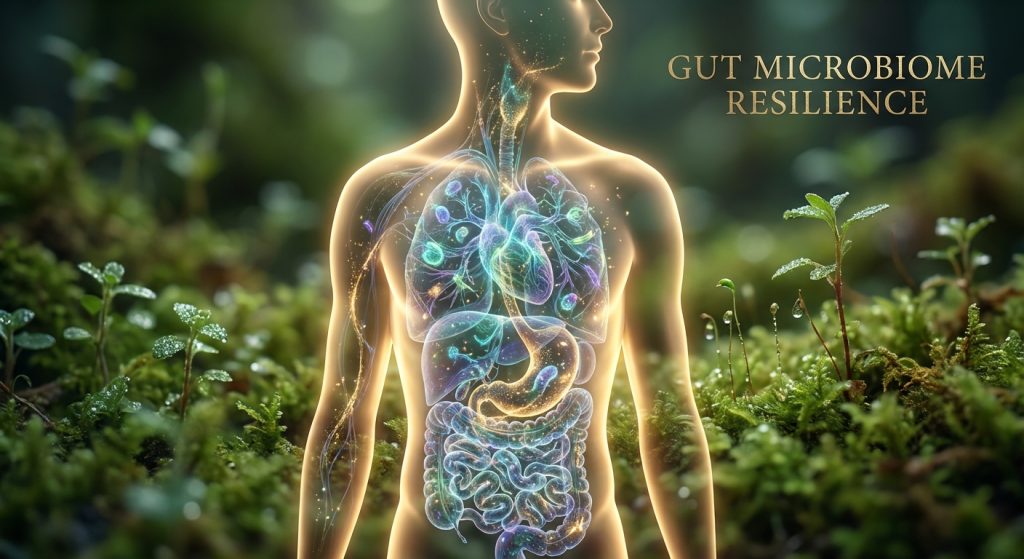
Your gut microbiome is a bustling community. It’s home to trillions of microbes. These include bacteria, fungi, and viruses. They play a vital role in your health. This includes digestion and immunity. It also impacts your mood and mental well-being. Now, imagine this community facing challenges. Stress, poor diet, or antibiotics can disrupt it. Gut microbiome resilience refers to its ability to bounce back. It’s about withstanding these challenges. It’s also about recovering quickly. Building resilience is key to long-term health. Probiotic manufacturers play a crucial role here. They offer tools to support this inner ecosystem.
What is Gut Microbiome Resilience?
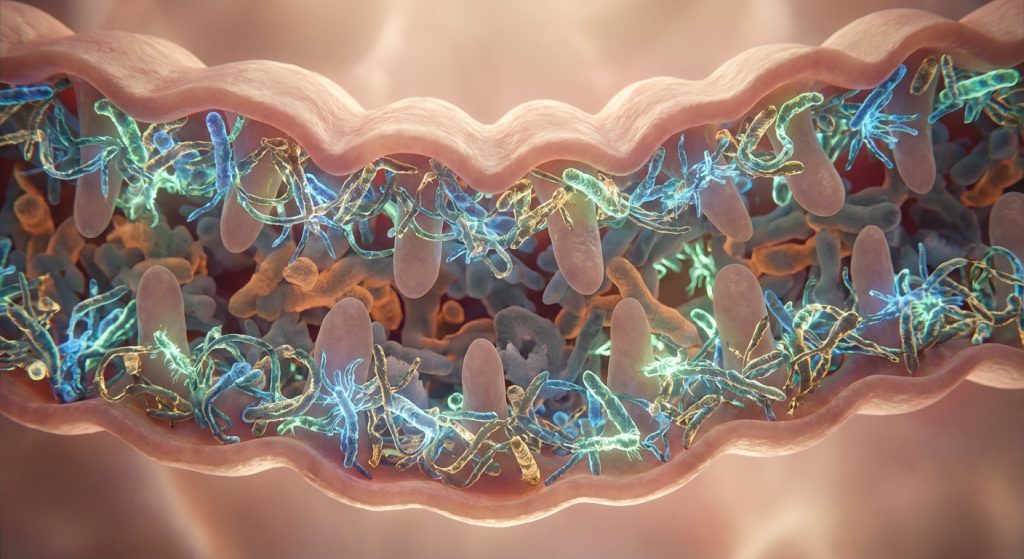
Resilience means adaptability. For your gut microbes, it’s about maintaining balance. It’s about resisting harmful changes. It’s also about recovering from disturbances. A resilient microbiome is diverse. It has a rich variety of species. This diversity is like a strong defense. It can outcompete harmful invaders. It also produces beneficial compounds. These compounds support your overall health. For instance, a diverse microbiome helps break down food. It also synthesizes essential vitamins. Furthermore, it trains your immune system. It helps it distinguish friend from foe.
The Pillars of Microbiome Resilience
Several factors contribute to a resilient gut. These pillars work together. They create a robust internal environment.
- Diversity: A wide range of microbial species is crucial. More species mean more functions. They can adapt to different conditions.
- Stability: A stable microbiome resists drastic shifts. It can withstand minor disruptions. It returns to its baseline state quickly.
- Functionality: The microbes perform essential tasks. These include nutrient metabolism and immune support.
- Adaptability: The ability to adjust to changes is key. This includes dietary shifts or environmental factors.
Think of it like a forest ecosystem. A diverse forest is more resilient to disease. It can recover faster from fires. Similarly, a diverse gut microbiome is stronger.
Factors Affecting Gut Resilience
Many things can impact your gut’s resilience. Some are within your control. Others are not.
Dietary Habits
Your diet is a major influencer. Foods rich in fiber are beneficial. They act as prebiotics. Prebiotics feed beneficial bacteria. Examples include fruits, vegetables, and whole grains. Conversely, diets high in processed foods and sugar can harm the microbiome. They can promote the growth of less desirable microbes. Therefore, a varied, plant-rich diet is essential. It supports a thriving microbial community.
Lifestyle Stress
Chronic stress is a significant disruptor. It can alter gut motility. It can also increase gut permeability. This is often called “leaky gut.” Stress can also change the composition of your microbiome. It may reduce beneficial bacteria. As a result, finding effective stress management techniques is vital. Practices like mindfulness and exercise can help. You can learn more about training your brain to bounce back from adversity.
Antibiotic Use
Antibiotics are powerful tools. They fight bacterial infections. However, they don’t discriminate. They can kill both harmful and beneficial bacteria. This can lead to a significant disruption. It can reduce microbial diversity. Therefore, antibiotics should only be used when necessary. Responsible use is paramount. Often, probiotics can help restore balance after a course of antibiotics.
Other Factors
Other factors also play a role. These include sleep quality, exercise, and environmental exposures. Even where you live can make a difference. Exposure to diverse environments can be beneficial. On the other hand, excessive use of disinfectants might reduce exposure to helpful microbes.
The Role of Probiotics in Enhancing Resilience
Probiotics are live microorganisms. They offer health benefits when consumed. They can be a valuable tool for probiotic manufacturers. They can help bolster gut resilience. How do they work?
Introducing Beneficial Microbes
Probiotics introduce beneficial bacteria to the gut. They can help replenish populations depleted by disruptions. For example, after antibiotic treatment, probiotics can aid recovery. They can help restore microbial diversity. This is particularly important for manufacturers looking to offer targeted solutions. You can explore how to pick the right probiotic strain.
Strengthening the Gut Barrier
Some probiotic strains can strengthen the gut lining. They help maintain its integrity. A strong gut barrier prevents harmful substances from entering the bloodstream. This reduces inflammation. It also supports overall immune function. This is a crucial aspect of resilience.
Modulating the Immune System
Probiotics interact with the immune system. They can help regulate immune responses. This can lead to a more balanced immune system. A balanced immune system is less prone to overreactions. This contributes to overall gut health and resilience.
Producing Beneficial Metabolites
Beneficial bacteria produce short-chain fatty acids (SCFAs). SCFAs like butyrate are vital. They nourish gut cells. They also have anti-inflammatory properties. Probiotics can help increase SCFA production. This further supports gut health.
Targeting Resilience: Probiotic Formulations for Manufacturers
Probiotic manufacturers have an opportunity. They can develop products specifically for resilience. This requires understanding the science. It also requires careful formulation.
Multi-Strain Formulations
A single strain might not be enough. Multi-strain formulations offer broader benefits. They can mimic the diversity of a healthy microbiome. Different strains have different strengths. Combining them can create a synergistic effect. This approach is often more effective for resilience.
Specific Strain Selection
Not all probiotics are created equal. Choosing the right strains is critical. Research specific strains known for their resilience-promoting properties. Look for strains with demonstrated benefits. These benefits might include immune modulation or barrier function support. For example, certain feline microbiomes benefit from specific strains.
Delivery Systems
How probiotics are delivered matters. Advanced delivery systems can protect the microbes. They ensure they reach the intestines alive. This maximizes their effectiveness. Enteric coatings or encapsulation technologies are examples. This is a key area for innovation.
Combining with Prebiotics (Synbiotics)
Combining probiotics with prebiotics creates synbiotics. Prebiotics are food for beneficial bacteria. This combination can enhance probiotic survival and activity. It provides a dual-action approach. It fuels the introduced microbes. It also supports the existing ones.
The Future of Gut Health and Resilience
The understanding of the gut microbiome is evolving rapidly. Research continues to uncover new insights. This opens up exciting possibilities for probiotic manufacturers.
Personalized Probiotics
Future probiotics may be personalized. They could be tailored to an individual’s unique microbiome. This would involve diagnostic tools. These tools would analyze an individual’s gut flora. Then, specific probiotic blends could be recommended. This precision approach could maximize efficacy. It’s a frontier in personalized medicine.
Microbiome Engineering
Advanced techniques like microbiome engineering are emerging. These aim to precisely modify the gut ecosystem. This could involve introducing specific microbial consortia. It might also involve gene editing of existing microbes. While still in early stages, this represents a long-term vision.
Holistic Health Approaches
Gut health is intrinsically linked to other aspects of well-being. The gut-brain axis is a prime example. A healthy gut contributes to better mental health. Conversely, mental stress can impact the gut. Probiotic manufacturers can emphasize this connection. They can promote a holistic view of health. This aligns with broader trends in wellness.
Conclusion: Building a Resilient Inner World
Gut microbiome resilience is fundamental. It’s about maintaining a healthy internal balance. It allows your body to withstand and recover from challenges. Probiotic manufacturers are at the forefront. They provide essential tools to support this resilience. By offering well-researched, targeted probiotic solutions, they empower individuals. They help fortify this vital inner ecosystem. Investing in gut health is investing in long-term well-being. It’s about cultivating a strong foundation for a healthy life.
Frequently Asked Questions
What is the gut microbiome?
The gut microbiome is the collection of all microorganisms, including bacteria, fungi, viruses, and archaea, living in your digestive tract.
How does stress affect my gut microbiome?
Stress can negatively impact your gut microbiome. It can alter microbial composition, increase gut permeability, and affect gut motility. This can lead to reduced resilience.
Can probiotics permanently change my gut microbiome?
Probiotics can temporarily influence your gut microbiome. However, they are not typically permanent colonizers. Their effects are often seen while you are taking them. Consistent use is often recommended for sustained benefits.
What is the difference between prebiotics and probiotics?
Probiotics are live beneficial microorganisms. Prebiotics are non-digestible fibers that feed these beneficial microorganisms. Together, they form synbiotics.
How can I tell if my gut microbiome is resilient?
Signs of a resilient gut microbiome include regular digestion, stable energy levels, good mood, and a strong immune system. Conversely, frequent digestive issues, fatigue, or mood swings might indicate reduced resilience.
