Host Defense Peptides: Nature’s Innate Antimicrobials
Published on January 20, 2026 by Admin
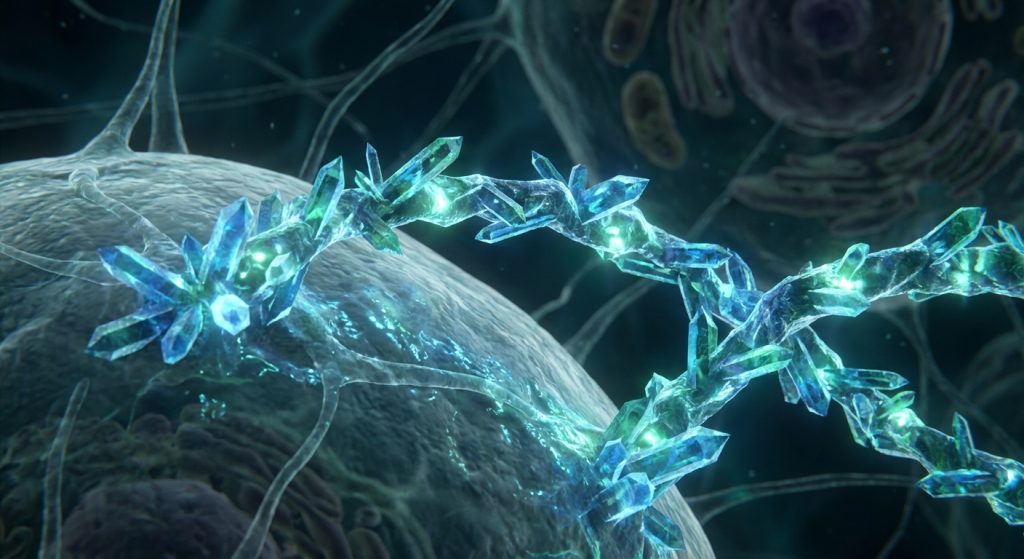
Host defense peptides (HDPs) are a fascinating class of molecules. They are found in virtually all living organisms. These peptides are crucial for innate immunity. They act as the first line of defense against pathogens. Therefore, understanding HDPs is vital for biochemistry professors. This article explores their discovery, mechanisms, and therapeutic potential.
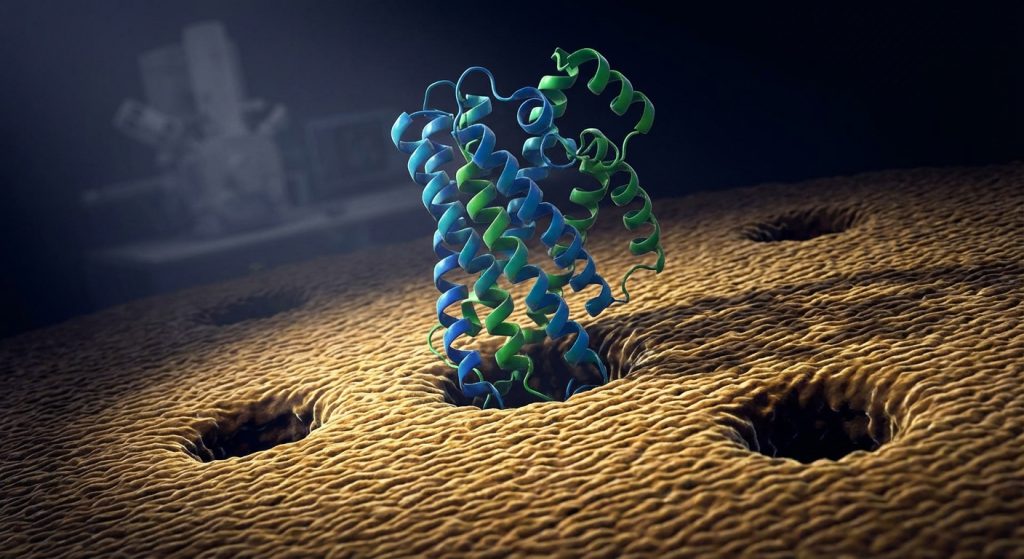
The Discovery and Evolution of HDPs
The concept of innate immunity is ancient. HDPs are a key component of this system. Early research focused on their antimicrobial properties. Scientists noticed certain molecules killed bacteria. These were often small, cationic peptides. Over time, more HDPs were identified. They are present in various bodily fluids. This includes skin, lungs, and the gut. Their widespread presence highlights their importance.
HDPs have evolved alongside pathogens. This co-evolution has led to diverse structures. It has also led to varied functions. Furthermore, they are found in both vertebrates and invertebrates. This suggests a conserved role in host defense. Their evolutionary significance is immense. They represent a fundamental biological defense strategy.
Mechanisms of Action: How HDPs Work
HDPs employ multiple strategies to combat threats. Their primary mechanism involves disrupting microbial membranes. Many HDPs are amphipathic. This means they have both hydrophilic and hydrophobic regions. They interact with the negatively charged surfaces of bacterial membranes. This interaction leads to pore formation. These pores cause leakage of essential cellular components. Ultimately, this leads to cell death.
However, HDPs are not limited to membrane disruption. They also possess immunomodulatory functions. For instance, some HDPs can modulate inflammation. They can recruit immune cells to infection sites. Others can neutralize toxins or inhibit viral entry. This multifaceted approach makes them highly effective. It also makes them difficult for pathogens to overcome. Because of this, resistance development is slower compared to traditional antibiotics.
Targeting Bacterial Membranes
The direct targeting of bacterial membranes is a key advantage. Bacterial cell membranes differ from mammalian ones. This difference allows for selective toxicity. HDPs often bind to anionic phospholipids. These are abundant in bacterial membranes. Mammalian membranes have a higher cholesterol content. This often makes them less susceptible. Therefore, HDPs can kill bacteria with minimal harm to host cells. This is a significant benefit for therapeutic applications.
Immunomodulatory Roles
Beyond direct killing, HDPs are powerful regulators of the immune system. They can act as signaling molecules. They alert the immune system to the presence of pathogens. They also help to fine-tune the immune response. This prevents excessive inflammation. It also promotes efficient pathogen clearance. For example, some HDPs can promote wound healing. They do this by stimulating cell proliferation. This is a crucial aspect of tissue repair.
Classification of Host Defense Peptides
HDPs can be classified in several ways. One common method is by their amino acid sequence and structure. Another is by their source or origin. However, a widely used classification is based on their characteristic structural motifs.
- Cationic Antifungal Peptides (CAPs): These peptides are rich in positively charged amino acids. They are effective against fungi.
- Defensins: These are a major class of HDPs. They are characterized by a specific disulfide bond pattern. They target bacteria, viruses, and fungi.
- Cathelicidins: These peptides contain a cathelin-like domain. They also exhibit broad-spectrum antimicrobial activity.
- Histone-like Peptides: These are derived from histone proteins. They possess antimicrobial activity.
- C-type Lectin-like Peptides: While not exclusively antimicrobial, some members of this group show HDP activity.
This classification helps researchers understand their diverse roles. It also aids in the development of new therapeutic agents. Understanding these categories is fundamental for any researcher in the field.
Therapeutic Applications and Future Prospects
The rise of antibiotic resistance has spurred interest in HDPs. They offer a promising alternative to conventional antibiotics. Their unique mechanisms of action make resistance development less likely. Therefore, HDPs are being investigated for various applications.
One area is the treatment of infections caused by multidrug-resistant bacteria. These “superbugs” pose a significant global health threat. HDPs could provide a much-needed weapon. Additionally, they are being explored for topical applications. This includes wound healing and skin infections. Their ability to promote tissue regeneration is particularly valuable. Furthermore, some HDPs show potential in cancer therapy. They can selectively kill cancer cells. This offers a new avenue for oncological treatment.
Combating Antibiotic Resistance
Antibiotic resistance is a growing crisis. It threatens modern medicine. HDPs offer a powerful new strategy. Their distinct modes of action bypass existing resistance mechanisms. For example, they disrupt cell membranes. This is a physical process. It is harder for bacteria to develop resistance to it. Therefore, HDPs are a critical tool in the fight against antibiotic resistance.
Wound Healing and Tissue Regeneration
HDPs play a vital role in tissue repair. They can accelerate wound healing. They do this by promoting cell migration and proliferation. They also help to prevent infection at the wound site. This is crucial for healing. Therefore, HDPs are being developed into advanced wound care products. This is especially true for chronic wounds. These often resist conventional treatment.
Anticancer Potential
Emerging research highlights HDPs’ anticancer properties. Some peptides can selectively target and kill cancer cells. They do this without harming healthy cells. This targeted approach is highly desirable in cancer therapy. It can reduce side effects. Furthermore, some HDPs can also modulate the tumor microenvironment. This may enhance the efficacy of other cancer treatments. This is an exciting area of ongoing research.
Challenges and Considerations in HDP Research
Despite their promise, several challenges remain. Developing HDPs for therapeutic use is complex. Stability is one issue. HDPs can be degraded by proteases in the body. This reduces their effectiveness. Delivery is another challenge. Ensuring they reach the target site in sufficient concentrations is critical. Cost of production can also be a barrier. Large-scale synthesis of peptides can be expensive.
Furthermore, potential toxicity to host cells needs careful evaluation. While HDPs are generally selective, off-target effects can occur. Extensive preclinical and clinical trials are necessary. These will establish their safety and efficacy profiles. Overcoming these hurdles is key to unlocking their full therapeutic potential. Because of these challenges, researchers are exploring various strategies. These include peptide modification and novel delivery systems. The goal is to improve their stability and efficacy.
The Role of Biochemistry in HDP Advancement
Biochemistry is central to HDP research. Understanding the structure-activity relationship is paramount. This involves studying how changes in peptide sequence affect function. It also involves understanding their interactions with microbial and host cells. Techniques like X-ray crystallography and NMR spectroscopy are invaluable. They provide detailed insights into peptide conformation. Biophysical methods help to elucidate membrane interactions.
Moreover, biochemistry is essential for developing synthetic HDPs. This allows for optimized properties. It enables the creation of peptides with enhanced potency and reduced toxicity. Computational chemistry and bioinformatics also play a role. They help predict peptide activity. They also aid in designing novel HDP structures. Thus, a deep understanding of biochemical principles drives innovation in this field. It directly impacts the development of new antimicrobial and therapeutic agents.
Frequently Asked Questions (FAQ)
What are host defense peptides (HDPs)?
Host defense peptides are naturally occurring molecules. They are part of the innate immune system. They help protect organisms from infection. They do this by directly killing pathogens or by modulating the immune response.
How do HDPs kill bacteria?
Many HDPs disrupt bacterial cell membranes. They form pores in the membrane. This causes essential cellular contents to leak out. This leads to bacterial cell death.
Are HDPs a viable alternative to antibiotics?
Yes, HDPs show great promise as alternatives. Their unique mechanisms make it harder for pathogens to develop resistance. This is a major advantage over traditional antibiotics.
What are the main challenges in using HDPs therapeutically?
Key challenges include their stability in the body, effective delivery to target sites, potential host cell toxicity, and production costs.
Can HDPs treat cancer?
Some HDPs have shown selective toxicity towards cancer cells in research. This suggests they could be developed as anticancer agents. However, more research is needed.
Conclusion
Host defense peptides represent a remarkable natural defense system. Their discovery and ongoing research have opened new frontiers. They offer potent antimicrobial and immunomodulatory functions. Furthermore, their therapeutic potential is vast. This spans from combating antibiotic resistance to treating cancer and promoting wound healing. As our understanding of biochemistry deepens, so does our ability to harness these peptides. Continued research is essential. It will help overcome current challenges. Ultimately, it will lead to the development of novel therapies. These therapies could revolutionize medicine. They can help address some of the most pressing health issues of our time. The journey of HDP research is a testament to nature’s ingenuity. It also highlights the power of scientific inquiry.