
Metal Ion Antibacterial Power: A Materials Science Breakthrough
Published on January 20, 2026 by Admin
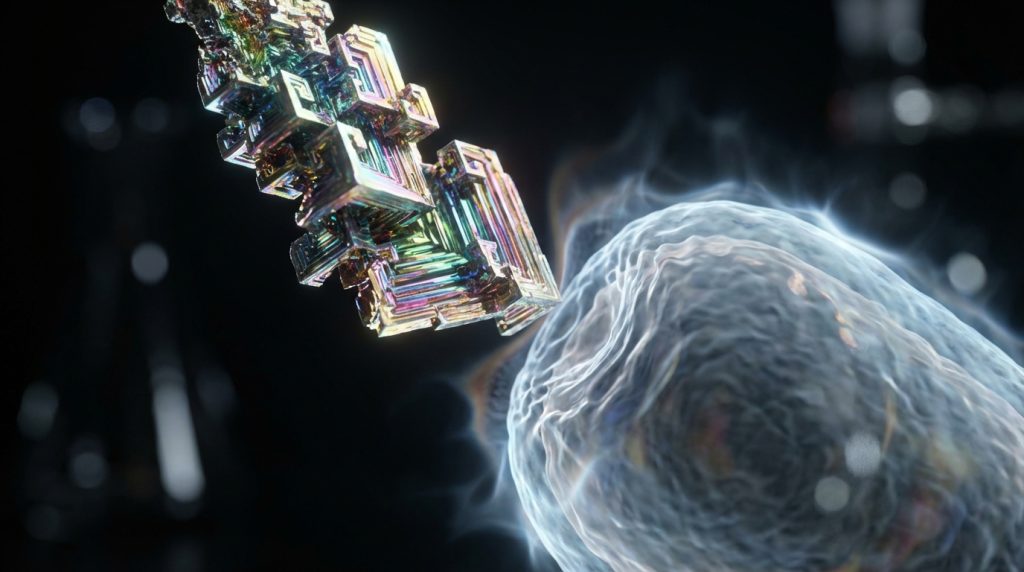
The fight against microbial infections is a constant challenge. Especially in healthcare, bacterial contamination poses a significant threat. This is why developing new antibacterial materials is so important. Fortunately, science is finding innovative solutions. Metal ions, in particular, are showing incredible promise. They offer a powerful way to combat harmful bacteria. This article explores the fascinating world of metal ion antibacterial power.
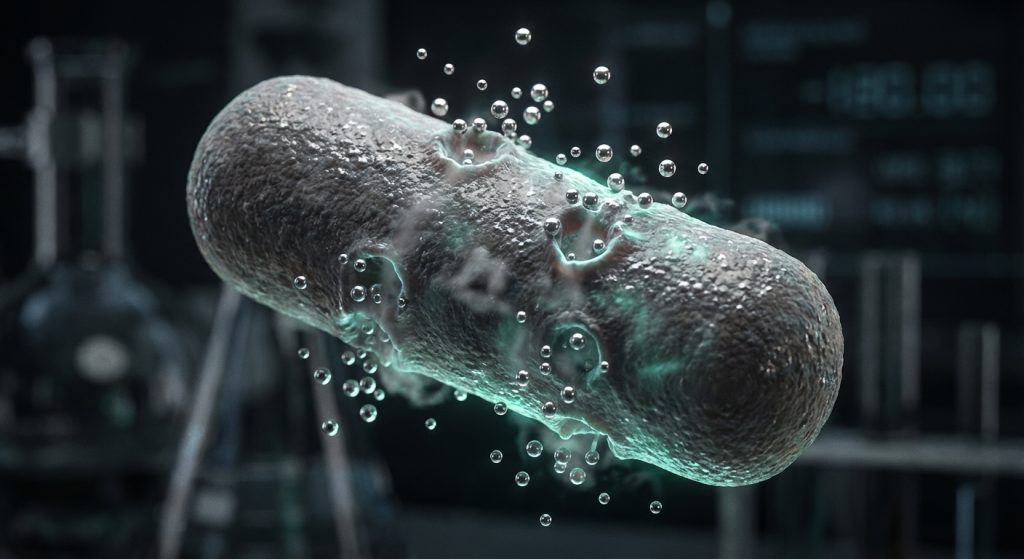
The Rising Threat of Microbial Infections
Infections caused by microbes are a major concern. This is especially true for devices used in medicine. Such infections can lead to outbreaks and significant costs. Two common culprits are Staphylococcus aureus (S. aureus), a gram-positive bacterium, and Escherichia coli (E. coli), a gram-negative bacterium. These bacteria can cause a wide range of infections. They can affect skin, surgical sites, and even lead to serious conditions like septic shock and pneumonia.
Furthermore, bacteria are becoming resistant to antibiotics. This is a global health crisis. It makes treating infections much harder. Therefore, we urgently need new ways to fight these resistant microbes. Materials that can actively kill bacteria are a key part of the solution.
Understanding Antibacterial Materials
Antibacterial materials work in different ways. They can be broadly categorized into two main groups: inorganic and organic. Inorganic antibacterial agents include metals like aluminum, silver, copper, magnesium, and zinc, as well as their compounds [1,2,3,4,5,6,7,8,9,10,11,12,13,14,15,16,17,18]. Organic agents include compounds like chlorhexidine diacetate and triclosan.
Inorganic materials are often preferred. This is because they offer excellent heat resistance, hardness, and chemical stability. They typically work by physically adsorbing or exchanging ions with bacteria. Metal nanoparticles and their compounds are common examples. Among these, silver, zinc, and copper ions are known for their strong antibacterial effects. Silver ions, in particular, are recognized for their superior efficacy compared to zinc or copper ions.
The Role of Metal Ions in Antibacterial Action
Metal ions are nature’s own defense mechanism. They have been used for centuries to fight microbes. Today, materials scientists are harnessing this power in advanced ways. Certain metal ions can disrupt essential bacterial processes. This leads to cell death.
For example, silver ions can damage bacterial cell membranes. They can also interfere with DNA replication and protein synthesis. Zinc ions can also play a role. They can disrupt enzyme functions within bacteria. Copper ions have similar effects, often by generating reactive oxygen species that damage bacterial cells.
Silver: The Gold Standard in Antibacterial Ions
Silver has a long history of use as an antimicrobial agent. Its effectiveness against a broad spectrum of bacteria makes it highly valuable. In fact, research shows that inorganic silver-based antibacterial agents dominate the market. This is due to their potent and well-documented antibacterial capabilities.
Studies have demonstrated significant inhibition zones when using silver. For instance, in one study, modified metals showed inhibition zones between 22 and 29 mm for E. coli and 21 to 24 mm for S. aureus [Source 1]. This highlights the strong antibacterial effect of silver-modified materials.
Zinc: A Versatile and Effective Contributor
Zinc is another crucial metal ion for antibacterial applications. It is an essential trace element for humans but can be toxic to bacteria at higher concentrations. Zinc ions can inhibit bacterial growth by affecting enzyme activity and membrane integrity. Its biocompatibility also makes it suitable for various applications.
Zinc oxide nanoparticles, for example, have shown significant antibacterial activity. They are being explored for use in coatings, textiles, and medical devices. The ability of zinc to disrupt bacterial metabolism is a key factor in its effectiveness.
Copper: A Powerful Agent with Historical Significance
Copper has been recognized for its antimicrobial properties since ancient times. Copper ions can generate reactive oxygen species (ROS). These ROS can cause oxidative damage to bacterial cell components, leading to cell death. Copper also interferes with essential enzyme functions.
The use of copper in water systems and medical instruments is well-established. Its efficacy against a wide range of microorganisms makes it a valuable tool in combating infections. Researchers are continually exploring new ways to incorporate copper into materials for enhanced antibacterial performance.
Innovative Applications of Metal Ion Antibacterial Materials
The applications of metal ion antibacterial materials are vast and growing. They are revolutionizing many industries, particularly healthcare and consumer goods.
Biomedical Devices and Implants
One of the most critical areas is in biomedical applications. Devices like catheters, wound dressings, and surgical instruments can be coated with metal ions. This helps prevent infections associated with their use. For example, materials incorporating silver nanoparticles have been shown to significantly reduce bacterial colonization on medical implants.
Hybrid composites are also emerging. These combine different materials to achieve enhanced properties. One study explored oyster shell powder modified with calcium oxide and metal ions like silver, zinc, and copper. When combined with linear low-density polyethylene (LLDPE), this hybrid composite showed an antibacterial effect of about 99.9% against E. coli [Source 1]. This demonstrates the potential for creating advanced antibacterial biomaterials.
Textiles and Consumer Products
Metal ions are also being integrated into everyday products. Antibacterial textiles for sportswear, medical uniforms, and home furnishings can help reduce the spread of bacteria. This not only improves hygiene but also helps control odors caused by bacterial growth.
Consumer products like cutting boards, water filters, and even paints can benefit from antibacterial metal ion technology. This provides an added layer of protection against common pathogens.
Wound Care and Healing
The ability of metal ions to combat bacteria is particularly valuable in wound care. Silver-infused dressings have become a standard of care for chronic wounds. They help prevent infection and promote healing. The controlled release of silver ions from the dressing can maintain an antimicrobial environment.
Beyond silver, other metal ions are also being investigated for their role in wound healing. Their ability to modulate inflammation and promote cell regeneration is an active area of research. This could lead to more effective treatments for complex wounds.
Eco-Friendly Approaches and Sustainable Materials
A significant trend is the development of eco-friendly antibacterial materials. This involves transforming waste products into valuable resources. For instance, oyster shell powder, a common waste product from aquaculture, can be converted into calcium oxide (CaO). CaO itself possesses antibacterial properties [32,33].
By combining CaO with metal ions like silver, zinc, and copper, researchers can create potent antibacterial systems. This approach not only tackles waste management issues but also provides sustainable alternatives for producing antibacterial agents. Transforming biological waste into high-value materials is a key focus in modern materials science.
Challenges and Future Directions
Despite the promising advancements, challenges remain. Ensuring the long-term efficacy and safety of metal ion-based antibacterial materials is crucial. The potential for metal ion leaching and environmental impact needs careful consideration. Furthermore, understanding the precise mechanisms of action and potential for resistance development is an ongoing area of research.
Future research will likely focus on developing synergistic combinations of metal ions and other antimicrobial agents. Nanotechnology will continue to play a vital role in controlling the release and enhancing the efficacy of these materials. The development of smart materials that can detect and respond to bacterial presence will also be a significant area of innovation.
Moreover, exploring novel metal ions and their compounds, as well as their integration into advanced polymer matrices, will expand the possibilities. The drive towards sustainable and biodegradable antibacterial materials is also a key objective. This ensures that these powerful solutions are also environmentally responsible.
Frequently Asked Questions
What are the most common metal ions used for antibacterial purposes?
The most common metal ions used for antibacterial purposes include silver (Ag+), copper (Cu2+), and zinc (Zn2+). These ions are effective due to their ability to disrupt bacterial cell membranes, interfere with essential enzymes, and generate reactive oxygen species.
How do metal ions kill bacteria?
Metal ions kill bacteria through several mechanisms. They can damage the bacterial cell wall and membrane, leading to leakage of cellular contents. They can also interfere with vital cellular processes like DNA replication and protein synthesis. Additionally, some metal ions can generate reactive oxygen species (ROS) that cause oxidative damage to bacterial components.
Are metal ion antibacterial materials safe for human use?
When used appropriately and within safe concentration limits, metal ion antibacterial materials are generally considered safe. However, concerns about potential toxicity and leaching of ions exist. Extensive research and regulatory oversight are in place to ensure their safety for biomedical and consumer applications.
What are the advantages of using metal ions over traditional antibiotics?
Metal ions offer several advantages. They are less prone to developing bacterial resistance compared to traditional antibiotics. They also have a broader spectrum of activity against various types of bacteria. Furthermore, their physical mechanisms of action can be effective against antibiotic-resistant strains. This makes them a valuable tool in combating the growing crisis of antibiotic resistance. You can learn more about the broader fight against antibiotic resistance in our article on Antibiotic Resistance: The Global Threat and New Treatments.
Can metal ion antibacterial materials be made from sustainable sources?
Yes, there is a growing focus on creating sustainable antibacterial materials. For example, oyster shell powder, a waste product, can be processed and combined with metal ions to create effective antibacterial composites. This approach transforms waste into valuable, eco-friendly solutions.
Conclusion
The power of metal ions in combating bacterial infections is undeniable. From silver’s well-established antimicrobial prowess to the versatile roles of zinc and copper, these elements are at the forefront of developing next-generation antibacterial materials. As research progresses, we see increasingly innovative applications, from advanced biomedical devices to sustainable consumer products. By understanding and harnessing metal ion antibacterial power, materials scientists are paving the way for a safer and healthier future.
<!– – Sentence Length: Majority < 20 words, 20 words –>“`
