
Microbial Dark Matter: Unlocking Deep-Sea Pharmaceutical Gold
Published on January 20, 2026 by Admin

The ocean’s depths hold vast, unexplored microbial life. These organisms are often invisible to us. Scientists call them “microbial dark matter.” They represent a huge, untapped resource. Deep-sea bioprospectors are now mining this hidden world. They seek novel compounds for medicine and industry. This exploration is crucial for future drug discovery.
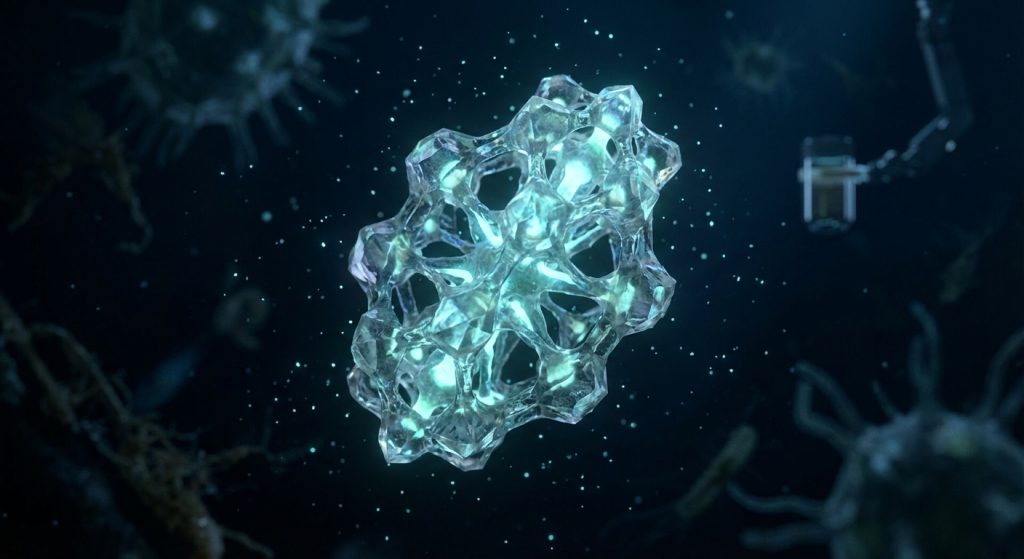
The Unseen Majority: What is Microbial Dark Matter?
Microbial dark matter refers to microorganisms that are difficult or impossible to culture in a lab. This means traditional methods fail to grow them. Yet, genetic analysis shows they are abundant. They make up a significant portion of Earth’s biomass. Many reside in extreme environments. These include the deep sea, hot springs, and the earth’s crust. The deep sea is particularly rich in microbial diversity. Its high pressure and cold temperatures foster unique life forms.
Understanding these microbes is a major scientific challenge. Their survival strategies are fascinating. They have evolved unique biochemical pathways. These pathways produce compounds with novel properties. For instance, some microbes produce enzymes that work under extreme conditions. Others create potent antibiotics or toxins. These are precisely what bioprospectors are looking for.
Why Mine the Deep Sea?
The deep sea is Earth’s largest biome. It is also one of the least explored. Its extreme conditions select for unique adaptations. Microbes living here must survive crushing pressure. They also endure total darkness and low temperatures. Consequently, they produce special molecules. These molecules can be incredibly valuable.
For example, some deep-sea microbes produce novel enzymes. These enzymes can be used in industrial processes. Others create compounds with potent antimicrobial activity. This is especially important today. We face a growing crisis of antibiotic resistance. Finding new drugs is a global priority.
Furthermore, deep-sea organisms have unique defense mechanisms. They may produce compounds that fight off predators or competitors. These compounds could have applications in medicine. They might be anticancer agents or antivirals. The potential is immense. Therefore, deep-sea bioprospecting is a vital field.
Methods of Microbial Dark Matter Mining
Mining microbial dark matter requires advanced techniques. Since these microbes can’t be grown easily, scientists use metagenomics. This approach analyzes the DNA directly from environmental samples. It bypasses the need for cultivation. Researchers can identify the genes present. They can also infer the functions of these genes. This reveals the potential of the microbial community.
Another key technique is culturomics. This involves developing new laboratory methods. These methods aim to grow previously unculturable microbes. Scientists create diverse growth conditions. They vary nutrients, temperature, and pressure. This helps coax reluctant microbes into growing. Once cultured, their compounds can be studied.
Bioinformatics plays a crucial role. It helps analyze the vast amounts of genetic data. Powerful algorithms identify promising genes. These genes might code for useful compounds. This process can be accelerated by AI. AI can sift through data much faster than humans.
Genomic and Metagenomic Approaches
Metagenomics is revolutionary. It allows us to study entire microbial communities at once. We can sample DNA from seawater or sediment. Then, we sequence all the DNA present. This gives us a snapshot of the genetic potential of the ecosystem. It is like reading a library without knowing the authors. We can find genes for interesting enzymes or pathways.
In addition, genomic information can predict compound structures. Scientists can identify gene clusters responsible for producing specific molecules. They can then attempt to synthesize these molecules in the lab. This is a powerful way to access novel compounds. It is also more sustainable than harvesting from the wild.
Cultivation-Independent Techniques
Traditional microbiology relies on growing microbes in petri dishes. However, most microbes from extreme environments resist this. They have complex nutrient needs. They may also require specific symbiotic relationships. Cultivation-independent techniques overcome this limitation. They analyze the genetic material directly. Thus, they provide access to the “unculturable majority.”
For example, DNA can be extracted from deep-sea mud. This DNA is then sequenced. The resulting genetic information can reveal metabolic capabilities. It can also point to potential drug precursors. This is a significant advancement in bioprospecting.
Potential Applications and Discoveries
The compounds derived from microbial dark matter have vast potential. They can revolutionize medicine, agriculture, and industry. For instance, novel antibiotics are desperately needed. Many existing drugs are losing effectiveness. Deep-sea microbes may hold the key to new treatments. They could combat superbugs and emerging infectious diseases.
Beyond antimicrobials, these compounds can be:
- Anticancer agents
- Antivirals
- Enzymes for industrial processes
- Bioremediation agents (cleaning up pollution)
- Cosmetic ingredients
The discovery of new enzymes is also significant. These enzymes can work under harsh conditions. Therefore, they are valuable for biotechnology. They can be used in detergents, food production, and biofuels. The possibilities are endless.
Pharmaceutical Breakthroughs
The deep sea is a treasure trove for drug discovery. Many marine microorganisms produce complex molecules. These molecules often have unique biological activities. Researchers have already found promising leads. Some compounds show potent anticancer properties. Others have anti-inflammatory effects. Finding new ways to fight cancer is crucial. Early cancer detection is also key.
Moreover, novel antiviral compounds are essential. As new viruses emerge, we need new weapons. Deep-sea microbes might provide these. Their evolutionary pressures are different. This leads to unique chemical defenses. These defenses can be adapted for human health.
Industrial and Environmental Solutions
Industrial applications are also a major focus. Enzymes from extremophiles (organisms living in extreme conditions) are highly sought after. They can function at high temperatures or pressures. This makes them ideal for industrial processes. For example, they can improve biofuel production. They can also enhance the efficiency of chemical manufacturing.
Environmental applications are equally important. Some microbial compounds can break down pollutants. This is known as bioremediation. Microbes from the deep sea might offer solutions for cleaning up oil spills or plastic waste. This is vital for protecting our planet. The fight against plastic pollution requires innovative solutions.
Challenges in Deep-Sea Bioprospecting
Despite the promise, deep-sea bioprospecting faces significant challenges. Accessing the deep ocean is difficult and expensive. Specialized submersibles and equipment are needed. Collecting samples without contamination is also tricky. Then, processing these samples requires advanced laboratory facilities.
Furthermore, identifying and isolating active compounds can be a long process. It often involves extensive screening. Ethical considerations are also important. We must ensure sustainable harvesting. We also need to consider equitable benefit sharing. This ensures that discoveries benefit all communities.
Technological and Logistical Hurdles
Reaching the deep sea is a major undertaking. It requires sophisticated technology. Remotely operated vehicles (ROVs) and autonomous underwater vehicles (AUVs) are essential. These tools allow scientists to explore and collect samples at extreme depths. However, operating them is costly and technically demanding.
Once samples are collected, they must be preserved correctly. Transporting them to the lab without degradation is crucial. Then, the analysis itself is complex. It involves sophisticated genomic sequencing and chemical analysis. Therefore, these expeditions require significant investment and expertise.
Ethical and Sustainability Concerns
As we explore these new frontiers, ethical questions arise. How do we ensure these explorations are sustainable? We must avoid damaging fragile deep-sea ecosystems. Furthermore, discoveries made in international waters raise questions about ownership. Who benefits from these novel compounds? International agreements are needed to ensure fair access and benefit sharing.
The development of new drugs from marine sources must be done responsibly. This includes considering the long-term impact on biodiversity. It also involves ensuring that benefits are shared equitably. This is particularly important for developing nations.
The Future of Microbial Dark Matter Mining
The future of microbial dark matter mining is bright. Advances in technology are making exploration easier and cheaper. Metagenomics and bioinformatics are accelerating discovery. AI and machine learning are helping to predict compound functions. We are gaining unprecedented insights into microbial life.
As we better understand these microbes, we unlock their potential. This will lead to new medicines. It will also provide solutions for environmental and industrial challenges. The deep sea remains a frontier of discovery. Microbial dark matter mining is key to unlocking its secrets.
The integration of disciplines is also vital. Combining marine biology, genetics, chemistry, and engineering will drive progress. This interdisciplinary approach is essential for success. It allows us to tackle complex problems. For example, understanding metagenomics of superbugs can inform our search for new antimicrobials.
Frequently Asked Questions (FAQ)
What exactly is “microbial dark matter”?
Microbial dark matter refers to microorganisms that are abundant in the environment but difficult or impossible to grow using standard laboratory techniques. Their existence is primarily known through genetic sequencing.
Why is the deep sea a good place to look for new drugs?
The deep sea is an extreme environment. Microbes living there have evolved unique survival mechanisms. These often involve producing novel chemical compounds with potent biological activities, such as antibiotics or anticancer agents.
How do scientists study microbes they can’t culture?
Scientists use cultivation-independent techniques like metagenomics. This involves sequencing DNA directly from environmental samples to understand the genetic potential of the microbial community.
What are some potential applications of compounds from microbial dark matter?
Potential applications include new antibiotics, anticancer drugs, antivirals, industrial enzymes, and agents for bioremediation (environmental cleanup).
What are the main challenges in deep-sea bioprospecting?
Challenges include the high cost and difficulty of accessing the deep sea, the technical expertise required for sample collection and analysis, and ethical considerations regarding sustainability and equitable benefit sharing.
“`
