Vaccine Development: A Powerful Shield Against AMR
Published on January 20, 2026 by Admin

The rise of antimicrobial resistance (AMR) is a grave global threat. It makes common infections untreatable. Furthermore, it jeopardizes modern medicine. Fortunately, vaccines offer a promising solution. They are a critical tool in preventing infections. Therefore, they can significantly curb the spread of AMR. This article explores how vaccine development directly combats AMR.
Understanding the AMR Crisis
Antimicrobial resistance occurs when microbes like bacteria, viruses, and fungi evolve. They develop ways to survive treatments. This means antibiotics and other antimicrobial drugs become less effective. Consequently, infections become harder to treat. The World Health Organization (WHO) calls AMR one of the top 10 global public health threats. It leads to longer hospital stays. It also results in higher medical costs. Moreover, it increases mortality rates.
Several factors contribute to AMR. These include the overuse and misuse of antibiotics in humans and animals. Poor infection control in healthcare settings is also a major driver. Environmental contamination with resistant microbes plays a role too. For instance, wastewater surveillance can reveal environmental AMR reservoirs.
How Vaccines Prevent Infections and Reduce AMR
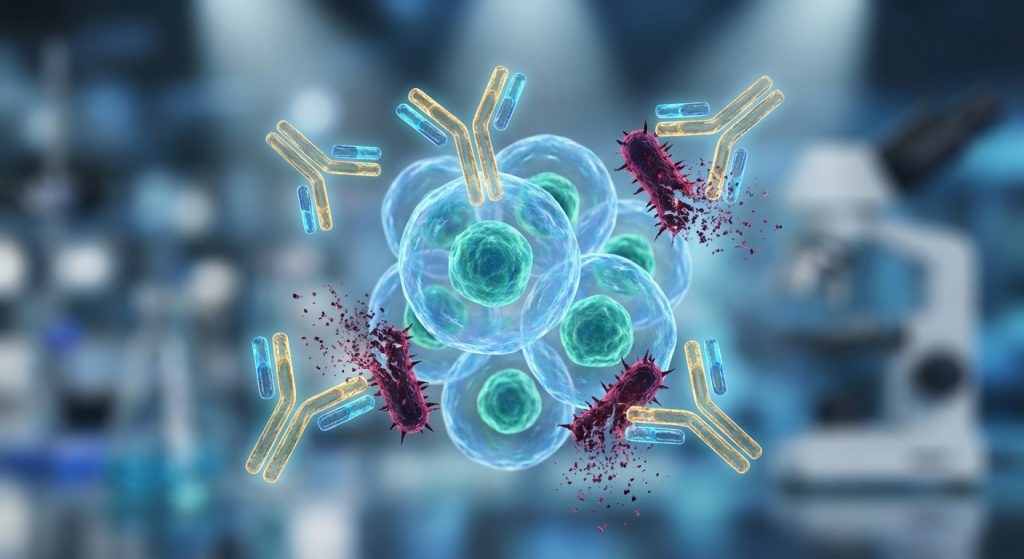
Vaccines work by training the immune system. They introduce a weakened or inactive form of a pathogen. Or they use a piece of it. This prompts the body to build defenses. When exposed to the actual pathogen later, the immune system can fight it off effectively. This prevents the infection from occurring or reduces its severity.
Therefore, by preventing infections, vaccines reduce the need for antibiotics. This is their most direct impact on AMR. When fewer people get sick, fewer people require antimicrobial treatment. As a result, the selective pressure on microbes to develop resistance is lowered. This helps preserve the effectiveness of existing antibiotics for when they are truly needed.
Targeting Bacterial Infections
Many bacterial infections can be prevented by vaccines. For example, vaccines against pneumococcus and Haemophilus influenzae type b (Hib) have drastically reduced cases of pneumonia and meningitis in children. Likewise, vaccines for tetanus, diphtheria, and pertussis remain crucial. These bacterial diseases, if left untreated, often require antibiotics. By preventing these diseases, vaccines indirectly decrease antibiotic usage.
Furthermore, research is ongoing for vaccines against other resistant bacteria. This includes strains like MRSA (Methicillin-resistant Staphylococcus aureus). Developing such vaccines would be a significant breakthrough. It would offer another powerful layer of defense against dangerous superbugs.
Combating Viral Threats
While antibiotics do not treat viral infections, viruses can weaken the body. This makes individuals more susceptible to secondary bacterial infections. These secondary infections often require antibiotic treatment. For example, influenza can lead to bacterial pneumonia. A flu vaccine, therefore, can prevent the initial viral illness. This, in turn, can prevent the subsequent bacterial infection and the need for antibiotics.
Similarly, vaccines for measles, polio, and rotavirus prevent severe viral illnesses. These illnesses can sometimes lead to complications requiring antimicrobial intervention. Thus, viral vaccines contribute to the overall reduction in antibiotic pressure.
The Role of Vaccines in Specific AMR Scenarios
Vaccines are particularly valuable in high-risk settings. Hospitals are prime examples. Healthcare-associated infections (HAIs) are a major source of AMR. Implementing robust infection control measures is vital. Mastering hospital infection control is an ongoing challenge. Vaccines can supplement these efforts. For instance, a vaccine against Clostridioides difficile (C. diff) could significantly reduce its incidence. C. diff infections often necessitate strong antibiotics, contributing to resistance.
Moreover, vaccines can protect vulnerable populations. This includes the elderly, infants, and immunocompromised individuals. These groups are more susceptible to severe infections. They are also more likely to require antibiotics. Targeted vaccination campaigns for these groups can have a substantial impact on reducing overall antimicrobial use.
Innovations in Vaccine Development for AMR
The development of new vaccines is a dynamic field. Researchers are exploring novel approaches to combat AMR. This includes:
- Next-Generation Vaccines: These utilize advanced technologies. They can target specific parts of bacteria or viruses. This leads to more targeted and effective immune responses.
- Combination Vaccines: Developing vaccines that protect against multiple pathogens. This can streamline immunization schedules. It also offers broader protection.
- Therapeutic Vaccines: Unlike preventive vaccines, these aim to treat existing infections. They work by boosting the immune system’s ability to clear established infections. This could be revolutionary for treating resistant bacterial infections.
- Adjuvants and Delivery Systems: Innovations in adjuvants enhance vaccine potency. New delivery systems, like nanoparticles, can improve efficacy and reduce the required dosage. Nanotech delivery for antibiotics is also a promising area.
The progress in areas like synthetic biology and novel peptides also fuels vaccine research. These fields offer new avenues for identifying targets and developing immunogens.
Challenges and Future Directions
Despite the promise, vaccine development for AMR faces hurdles. Funding is a significant challenge. The economic model for developing new vaccines, especially for bacteria, is less lucrative than for other diseases. Regulatory pathways can also be complex. Furthermore, ensuring equitable access to new vaccines globally is crucial. Global AMR surveillance data is essential to guide these efforts.
On the other hand, the “One Health” approach is gaining traction. This recognizes the interconnectedness of human, animal, and environmental health. Vaccines play a vital role in this integrated strategy. For instance, vaccinating livestock can reduce antibiotic use in agriculture. This aligns with the goals of livestock antibiotic reduction.
Moreover, continuous research into pathogen evolution is necessary. Understanding how microbes develop resistance helps in designing more effective vaccines. This includes studying mechanisms like horizontal gene transfer, which can spread resistance genes rapidly.
The Economic and Societal Impact
Investing in vaccine development is a sound economic strategy. The cost of treating AMR infections is enormous. Preventing these infections through vaccination saves healthcare systems money in the long run. Furthermore, it prevents lost productivity due to illness and premature death.
Societally, vaccines protect public health. They enable the continuation of medical procedures like surgery and chemotherapy, which rely on effective infection control. Without them, these life-saving interventions would become far riskier. Therefore, vaccines are not just medical tools; they are pillars of modern healthcare and societal well-being.
Frequently Asked Questions (FAQ)
How do vaccines directly prevent antibiotic resistance?
Vaccines prevent infections. This reduces the need for antibiotics. Less antibiotic use means less pressure on microbes to develop resistance.
Are there vaccines for all types of resistant bacteria?
Currently, no. Vaccines exist for some bacterial diseases. However, research is ongoing for vaccines against many high-priority resistant bacteria.
Can vaccines treat existing bacterial infections?
Most vaccines are preventive. However, therapeutic vaccines are being developed. These aim to help the immune system clear established infections.
What is the “One Health” approach in relation to AMR?
The “One Health” approach recognizes that human, animal, and environmental health are linked. Vaccinating animals and improving environmental health are part of this strategy to combat AMR.
Why is developing vaccines for bacteria challenging?
Developing bacterial vaccines can be complex. The immune response required is often different from viral responses. Also, the market for new antibacterial vaccines is often less profitable.
Conclusion
In conclusion, vaccine development is an indispensable weapon in the fight against antimicrobial resistance. By preventing infections, vaccines directly reduce the demand for antibiotics. This, in turn, slows the evolution and spread of resistant microbes. Continuous innovation in vaccine technology, coupled with global collaboration and equitable access, will be key to harnessing their full potential. Ultimately, a strong vaccine pipeline is essential for safeguarding global health and preserving the effectiveness of our precious antimicrobial arsenal.