
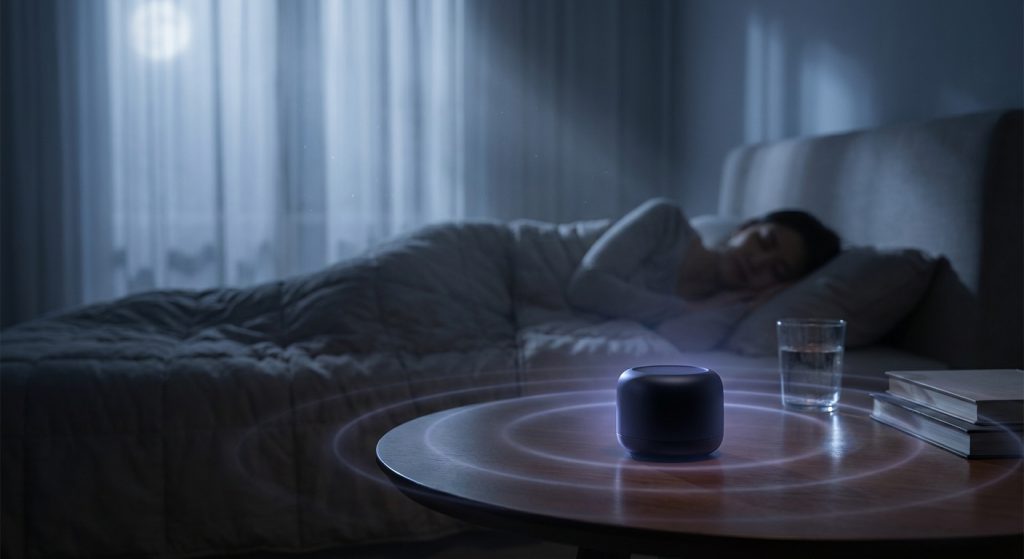
Are you tired of tossing and turning? Do you struggle to achieve truly restful sleep? For millions, insomnia is a daily battle. But what if the solution is as simple as listening? This article explores the fascinating science behind deep sleep induction through sound. We will uncover how specific auditory experiences can guide your brain into restorative slumber.
Understanding the Sleep Cycle
Before diving into sound, let’s briefly touch upon sleep itself. Sleep isn’t just passive rest. It’s an active, complex process. Our brains cycle through different stages. These include light sleep, deep sleep (slow-wave sleep), and REM sleep. Deep sleep is crucial for physical restoration. It’s when your body repairs tissues and consolidates memories. Insomnia disrupts this vital cycle. Therefore, finding ways to promote deep sleep is essential for overall health.
Many factors can disrupt sleep. Stress is a major culprit. Environmental factors, like light and noise, also play a role. Poor sleep hygiene can exacerbate these issues. Consequently, many people seek effective solutions. Sound therapy offers a promising avenue.
The Power of Auditory Stimulation
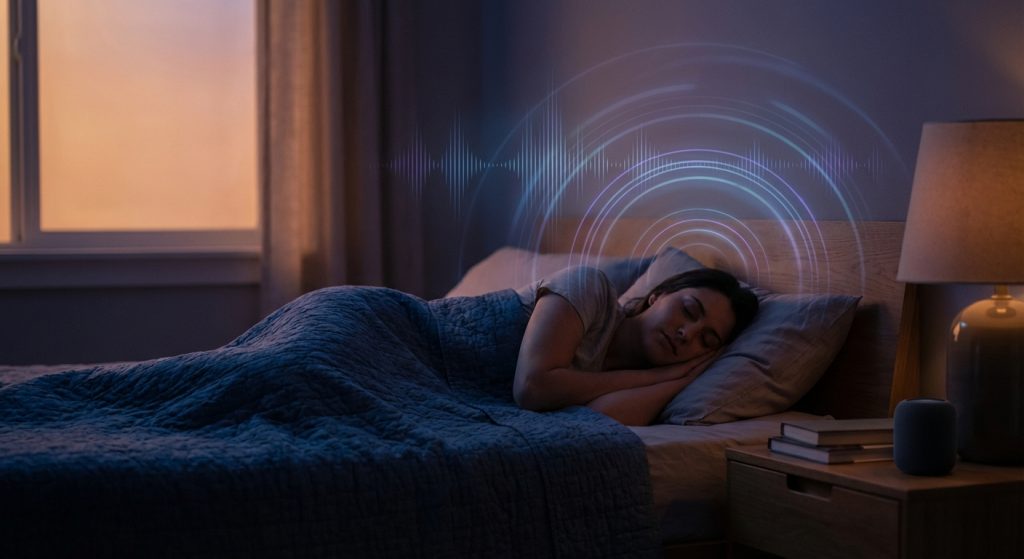
Our brains are constantly processing auditory information. Even during sleep, some auditory processing continues. This is why sudden loud noises can wake us up. However, carefully curated sounds can have a different effect. They can actually help guide brain activity towards sleep-promoting states. This is the core principle behind deep sleep induction sound science.
Specifically, certain sound frequencies and patterns can influence brainwave activity. This is known as brainwave entrainment. When you listen to rhythmic sounds, your brainwaves may begin to synchronize with that rhythm. This synchronization can help shift your brain into slower, more relaxed states. These states are conducive to falling asleep and staying asleep.
Brainwave Entrainment Explained
Brainwave entrainment is a fascinating phenomenon. It’s based on the brain’s tendency to synchronize its electrical activity with external rhythmic stimuli. For example, listening to binaural beats can encourage specific brainwave frequencies. Binaural beats involve listening to two slightly different frequencies, one in each ear. Your brain perceives a third “beat” at the difference between the two. This perceived beat can help induce states of relaxation or focus.
Similarly, isochronic tones and monaural beats work on slightly different principles. They also aim to entrain brainwaves. Isochronic tones are single tones pulsed on and off. Monaural beats use a single tone with a pulsing rhythm. All these methods seek to gently nudge the brain towards desired states. For sleep, this means encouraging delta and theta waves, which are dominant in deep sleep.
Types of Sleep-Inducing Sounds
Not all sounds are created equal when it comes to sleep. Certain categories of sound have proven particularly effective. These sounds often mimic natural environments or create a consistent, soothing auditory backdrop.
White Noise and Its Cousins
White noise is a fundamental concept. It contains all audible frequencies at equal intensity. Think of the gentle hiss of a fan or static. It works by masking disruptive external noises. This masking effect can prevent sudden sounds from waking you. As a result, it provides a more consistent sleep environment.
Beyond white noise, there are other forms of noise that can aid sleep. Pink noise is deeper and more rhythmic than white noise. It’s often described as sounding like rainfall. Brown noise is even deeper and more resonant, similar to a low rumble. Many people find pink or brown noise more pleasant and effective for sleep than pure white noise.
Nature Sounds
The sounds of nature have a profound calming effect on many people. Gentle rain, ocean waves, forest ambience, or a babbling brook can all be very soothing. These sounds often contain natural rhythms. They can also mask other environmental noises. Furthermore, they can evoke feelings of peace and tranquility. This can help reduce stress and anxiety, which are common barriers to sleep. For instance, the rhythmic crashing of waves can create a consistent, lulling effect.
Binaural Beats and Isochronic Tones for Sleep
As mentioned earlier, binaural beats and isochronic tones are designed for brainwave entrainment. For sleep induction, specific frequencies are used. These typically fall within the theta (4-8 Hz) and delta (0.5-4 Hz) ranges. Listening to these sounds before bed can help your brain naturally transition into these slower, sleep-associated brainwave patterns. For example, a binaural beat designed to produce delta waves could help you reach deeper stages of sleep more quickly. This is a more targeted approach than general ambient sounds.
Ambient Music and Lullabies
Calming, instrumental music can also be beneficial. Slow tempos and gentle melodies are key. Avoid music with sudden changes in volume or tempo. Simple, repetitive musical patterns can be very effective. Lullabies, traditionally sung to infants, often employ these principles. They are designed to be soothing and predictable. Therefore, they can have a similar effect on adults.
The Science Behind the Sounds: How It Works
The effectiveness of these sounds is rooted in neuroscience. Our brains respond to auditory stimuli in predictable ways. Understanding these mechanisms helps explain why sound therapy works.
Auditory Cortex and Brainwave Activity
The auditory cortex in our brain processes sound. When exposed to rhythmic auditory stimuli, neurons in this area can begin to fire in sync with the rhythm. This is the essence of entrainment. For sleep, we aim to entrain brainwaves into the delta and theta ranges. Delta waves are associated with deep, restorative sleep. Theta waves are linked to relaxation and light sleep, often occurring as we drift off.
Moreover, sound can influence the autonomic nervous system. It can help shift the balance from the sympathetic nervous system (fight-or-flight) to the parasympathetic nervous system (rest-and-digest). This shift is critical for initiating and maintaining sleep. It lowers heart rate, reduces blood pressure, and decreases stress hormones like cortisol.
Masking Disruptive Noise
One of the most straightforward benefits of sleep sounds is noise masking. In busy environments, unpredictable noises can jolt us awake. This interrupts the sleep cycle. Sounds like white noise, pink noise, or nature sounds create a continuous auditory blanket. This blanket effectively covers up sudden, jarring noises. Consequently, your sleep remains undisturbed. This is particularly helpful for those living in noisy urban areas or with partners who snore.
Creating a Sleep Cue
Our brains are excellent at forming associations. Listening to a specific sound consistently before sleep can create a powerful sleep cue. Over time, your brain learns to associate that sound with bedtime and relaxation. Therefore, simply starting the sound can begin to trigger a cascade of sleep-inducing physiological responses. It becomes a ritual that signals to your body that it’s time to wind down and prepare for sleep.
Choosing the Right Sounds for You
The most effective sleep sound is subjective. What works wonders for one person might not work for another. Experimentation is key. Consider your personal preferences and the specific challenges you face with sleep.
Personal Preferences Matter
Some people find the constant hiss of white noise comforting. Others prefer the more natural sound of rain. Still others find specific ambient music tracks more relaxing. There’s no single “best” sound. The goal is to find something that you find genuinely soothing and non-intrusive. You should not find the sound itself distracting.
Consider Your Environment
If you live in a very noisy environment, a sound that effectively masks external noises will be crucial. White noise or nature sounds with a consistent base layer might be best. If your main challenge is racing thoughts, binaural beats or specific calming music might be more effective at shifting your brainwave state.
Experiment with Different Categories
Don’t limit yourself to one type of sound. Try listening to:
- Different types of noise (white, pink, brown).
- Various nature sounds (rain, ocean, forest, wind).
- Ambient music playlists designed for sleep.
- Apps or programs offering binaural beats or isochronic tones.
Pay attention to how each sound makes you feel. Does it help you relax? Does it seem to quiet your mind? Does it help you fall asleep faster?
Implementing Sound Therapy for Insomnia
Integrating sound into your sleep routine is straightforward. However, consistency is important for building that sleep cue.
Consistency is Key
Use your chosen sound every night. This helps reinforce the association between the sound and sleep. Make it part of your wind-down routine. For example, start the sound as you begin your pre-sleep activities, like reading or meditating. This reinforces the connection. This consistent use can help train your brain to relax more easily each night.
Sound Machines and Apps
There are many tools available to help you. Dedicated sound machines offer a variety of pre-set sounds. They are often designed for continuous play. Many apps also offer extensive libraries of sleep sounds. Some even incorporate features like smart alarms that wake you during a lighter sleep stage. These digital tools offer convenience and variety. They allow you to explore different sounds easily. For example, you can find apps that offer guided meditations with soundscapes. This dual approach can be very effective. It’s also worth exploring how technology can support your well-being, such as through wearable data health insights.
Volume and Placement
The ideal volume is low enough to be unobtrusive but loud enough to be effective. You should be able to hear it clearly, but it shouldn’t be so loud that it becomes a distraction. Experiment to find the sweet spot. Usually, a moderate volume that just masks background noise is best. Also, consider the placement of your speaker. Placing it near your bed often provides the most direct and effective auditory experience.
Beyond Sound: A Holistic Approach
While sound therapy can be a powerful tool, it’s often most effective as part of a broader sleep strategy. Addressing other aspects of your lifestyle can amplify its benefits.
Sleep Hygiene Practices
Good sleep hygiene is fundamental. This includes maintaining a regular sleep schedule. It also involves creating a cool, dark, and quiet bedroom environment. Avoiding caffeine and alcohol close to bedtime is important. Limiting screen time before bed is also crucial. These practices create a foundation upon which sound therapy can build.
Stress Management Techniques
Stress is a major enemy of sleep. Incorporating stress management techniques can significantly improve your ability to fall asleep. Practicing mindfulness or meditation can calm a racing mind. Gentle exercise during the day can also help. Exploring holistic stress management can be incredibly beneficial. Even simple deep breathing exercises can make a difference.
Diet and Exercise
What you eat and how you move your body impacts your sleep. A balanced diet supports overall health. Regular physical activity can promote deeper sleep. However, avoid strenuous exercise too close to bedtime. Understanding the connection between your gut and your brain, for instance, through the gut-brain axis, can also shed light on sleep disturbances.
Frequently Asked Questions
Can sound therapy cure insomnia?
Sound therapy can be a very effective tool for managing insomnia. It helps promote relaxation and deep sleep. However, it may not be a cure for everyone, especially if insomnia has complex underlying causes. It is often best used as part of a comprehensive approach to sleep health.
How long does it take to see results from sleep sounds?
Results can vary. Some people notice improvements within a few nights. For others, it may take a few weeks of consistent use to build the sleep cue and experience significant benefits. Patience and consistency are key.
Is it safe to listen to sounds all night?
Yes, generally it is safe. Most sleep sound machines and apps are designed for continuous use. The volume should be kept at a safe, low level. If you have any concerns, consult with a healthcare professional.
Can children benefit from sleep sounds?
Absolutely. Many parents use white noise or nature sounds to help their babies and children fall asleep. The principles of sound masking and creating a calming environment apply across all age groups.
Conclusion
Deep sleep induction through sound science offers a natural and accessible pathway to better sleep. By understanding how different sounds influence brainwave activity and our nervous system, we can harness their power. Whether you choose the steady hum of white noise, the tranquility of nature, or the targeted frequencies of binaural beats, the goal is the same: to guide your brain into the restorative stages of deep sleep. When combined with good sleep hygiene and stress management, sound therapy can be a game-changer for those struggling with insomnia. So, experiment, find what soothes you, and embrace the science of sound for a more restful night.
