
Mitochondrial Health & Energy Flow: Power Up Your Life
Published on January 23, 2026 by Admin

Feeling drained? Low energy can impact everything. It affects your mood, your focus, and your overall well-being. But what if the secret to boundless energy lies within your cells? It does, and it’s all about your mitochondria.
Mitochondria are tiny powerhouses. They reside in almost every cell of your body. Their main job is to generate energy. This energy fuels all your bodily functions. Think of them as your body’s rechargeable batteries. When they’re not working well, you feel it. This article explores mitochondrial health. We will also discuss how to improve energy flow.
The Mighty Mitochondria: Your Cellular Power Plants
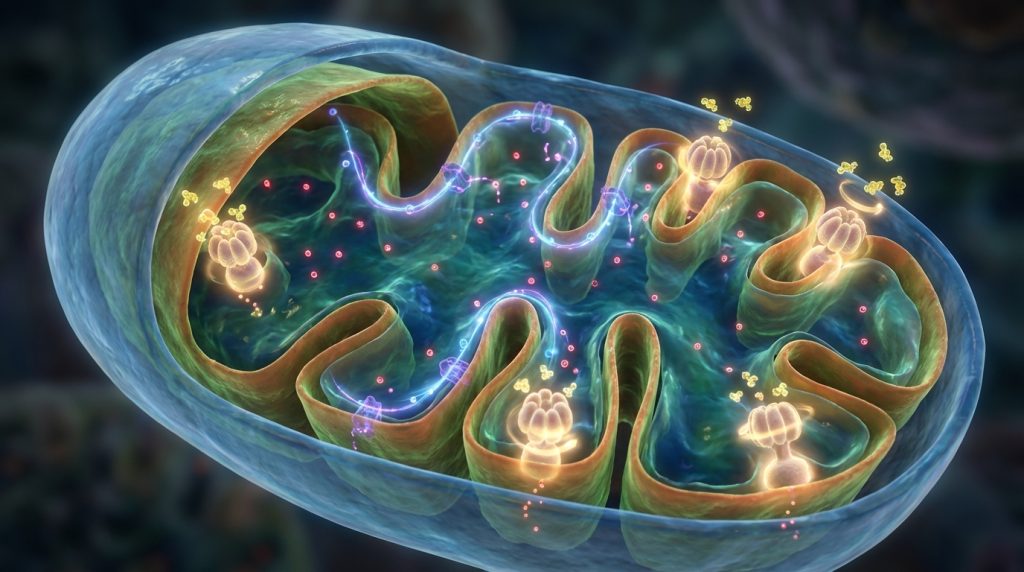
Mitochondria are often called the “powerhouses of the cell.” This is for good reason. They are responsible for cellular respiration. This is a process that converts nutrients into ATP. ATP, or adenosine triphosphate, is the main energy currency of the cell. Without sufficient ATP, your cells cannot function properly. Therefore, your body suffers.
These organelles have a unique structure. They have a double membrane. The inner membrane is folded into cristae. These folds increase the surface area. This allows for more ATP production. The process of creating ATP is complex. It involves several stages, including the Krebs cycle and the electron transport chain.
Mitochondria are fascinating. They have their own DNA. This is called mitochondrial DNA (mtDNA). It’s separate from the DNA in your cell’s nucleus. This suggests an ancient evolutionary origin. They may have once been independent organisms. They were eventually engulfed by early eukaryotic cells.
Why Mitochondrial Health Matters for Energy Flow
Your energy levels are directly linked to mitochondrial function. When your mitochondria are healthy, they efficiently produce ATP. This leads to sustained energy throughout the day. You feel alert and capable. You can tackle tasks with vigor.
Conversely, when mitochondria are damaged or inefficient, energy production suffers. This can result in fatigue. You might experience brain fog. Muscle weakness can also occur. In the long term, poor mitochondrial health is linked to various chronic diseases. These include neurodegenerative disorders and metabolic conditions.
The concept of “energy flow” is also tied to mitochondrial health. It’s not just about having energy. It’s about how that energy moves and is utilized. Healthy mitochondria ensure a smooth, consistent flow of energy. This supports optimal cellular and bodily function. It’s like a well-functioning electrical grid. Power is delivered where and when it’s needed.
Factors Affecting Mitochondrial Health
Several factors can impact your mitochondria. These include diet, lifestyle, and environmental exposures. Understanding these influences is key to maintaining good health.
- Diet: Poor nutrition starves your mitochondria. It deprives them of essential nutrients. These nutrients are needed for energy production.
- Oxidative Stress: This happens when there are too many free radicals. Free radicals can damage mitochondrial DNA. They also impair function.
- Inflammation: Chronic inflammation creates a hostile cellular environment. This can hinder mitochondrial performance.
- Toxins: Exposure to environmental toxins can overwhelm your cells. This includes pesticides and heavy metals. These can directly harm mitochondria.
- Lack of Exercise: Regular physical activity stimulates mitochondrial growth. It also improves their efficiency. Sedentary lifestyles do the opposite.
- Aging: Mitochondrial function naturally declines with age. This is a contributing factor to age-related energy loss.
Therefore, it’s crucial to protect these vital organelles. Proactive steps can make a significant difference. You can support your mitochondria’s health. This will boost your overall energy levels.
Boosting Your Mitochondria: Practical Strategies
Fortunately, you can take many steps to support and improve your mitochondrial health. These strategies are often interconnected. They contribute to a holistic approach to well-being.
1. Optimize Your Diet for Mitochondrial Support
What you eat directly fuels your mitochondria. Focus on nutrient-dense foods. These provide the building blocks and cofactors needed for energy production.
- Antioxidant-Rich Foods: Berries, dark leafy greens, and colorful vegetables are packed with antioxidants. These combat oxidative stress.
- Healthy Fats: Omega-3 fatty acids, found in fatty fish and flaxseeds, are crucial. They support cell membrane health. They also reduce inflammation.
- B Vitamins: These are essential for energy metabolism. Find them in whole grains, lean meats, and eggs.
- Minerals: Magnesium and CoQ10 are vital for mitochondrial function. Nuts, seeds, and organ meats are good sources.
- Avoid Processed Foods: These often contain unhealthy fats and sugars. They can contribute to inflammation and oxidative stress.
Consider incorporating foods that support cellular energy. For instance, dark chocolate contains antioxidants. It can also improve blood flow. Furthermore, understanding your unique nutritional needs is paramount. You can explore how your DNA can inform your perfect diet.
2. Embrace Exercise for Mitochondrial Biogenesis
Exercise is one of the most powerful stimulants for mitochondria. When you exercise, your muscles demand more energy. This signals your body to create more mitochondria. This process is called mitochondrial biogenesis.
Both aerobic and resistance training are beneficial. Aerobic exercise, like running or swimming, improves mitochondrial efficiency. Resistance training, like weightlifting, increases muscle mass. This, in turn, supports greater energy output. Aim for a balanced fitness routine.
3. Manage Oxidative Stress and Inflammation
Reducing oxidative stress and inflammation is vital. These processes damage mitochondria over time. A diet rich in antioxidants helps. Additionally, stress management techniques are crucial.
Practices like meditation and yoga can lower cortisol levels. This reduces chronic stress. Adequate sleep is also essential. It allows your body to repair itself. You can learn more about optimizing your sleep by understanding your circadian rhythm.
4. Minimize Toxin Exposure
Our environment can contain harmful substances. These can negatively impact mitochondrial function. Common culprits include pesticides, heavy metals, and air pollutants.
You can reduce exposure by choosing organic foods. Opt for natural cleaning products. Ensure good ventilation in your home. Filtering your water can also help. Protecting yourself from environmental stressors is a key component of mitochondrial care.
5. Consider Mitochondrial-Supportive Supplements
In some cases, supplements can be beneficial. However, always consult with a healthcare professional first. They can assess your individual needs.
Some popular supplements include:
- Coenzyme Q10 (CoQ10): A powerful antioxidant. It plays a direct role in ATP production.
- Acetyl-L-Carnitine: Helps transport fatty acids into mitochondria. This is essential for energy production.
- Alpha-Lipoic Acid: A potent antioxidant. It can regenerate other antioxidants.
- Magnesium: Involved in hundreds of biochemical reactions. It’s critical for energy metabolism.
- Resveratrol: Found in grapes and red wine. It has antioxidant properties. It may activate certain cellular pathways that benefit mitochondria.
These supplements can offer targeted support. They work best as part of a comprehensive health plan. Remember that whole foods should always be the primary source of nutrients.
Mitochondrial Health and Chronic Disease
The link between mitochondrial dysfunction and chronic disease is increasingly recognized. Conditions such as Alzheimer’s, Parkinson’s, diabetes, and heart disease are associated with impaired mitochondrial function.
For example, in neurodegenerative diseases, neurons are particularly vulnerable. They have high energy demands. When mitochondria fail, these cells are compromised. This can lead to cell death. Similarly, in metabolic disorders like type 2 diabetes, insulin resistance is often linked to mitochondrial dysfunction. This affects how cells use glucose for energy.
Therefore, supporting mitochondrial health is not just about boosting energy. It is also a strategy for disease prevention and management. It’s about maintaining cellular vitality for the long haul. This proactive approach can significantly impact your long-term health outcomes.
Frequently Asked Questions (FAQ)
What are the earliest signs of poor mitochondrial health?
Early signs often include persistent fatigue, unexplained muscle weakness, and difficulty concentrating or “brain fog.” You might also notice increased susceptibility to illness or slower recovery from exercise.
Can I reverse mitochondrial damage?
While significant damage might be difficult to fully reverse, you can certainly improve mitochondrial function and prevent further damage. Lifestyle changes like improved diet, regular exercise, and stress management can significantly enhance mitochondrial health.
Are certain people more prone to mitochondrial issues?
Yes, some individuals may have genetic predispositions. However, environmental factors and lifestyle choices play a huge role. Anyone can experience mitochondrial issues due to poor diet, chronic stress, or toxin exposure.
How does aging affect mitochondria?
As we age, mitochondria naturally accumulate damage. Their ability to produce energy decreases, and they become less efficient. This contributes to the general decline in energy and cellular function associated with aging. Supporting mitochondrial health can help mitigate these effects.
Conclusion: Powering Up Your Well-being
Mitochondria are fundamental to our energy and vitality. By understanding their role, we can take targeted actions. These actions improve our overall health and well-being. Prioritizing mitochondrial health is an investment. It’s an investment in sustained energy, sharper cognitive function, and a more resilient body.
Embrace a nutrient-rich diet. Engage in regular physical activity. Manage stress effectively. And minimize your exposure to toxins. These steps will help your cellular powerhouses thrive. Consequently, you will experience a profound shift in your energy flow. This leads to a more vibrant and fulfilling life.
