

Your brain is not fixed. It’s constantly changing. This amazing ability is called neural plasticity. It means you can rewire your brain. You can build better habits. You can improve your focus. Therefore, understanding this is key for peak performance coaches. It helps you guide clients to their best selves.
Neural plasticity is the brain’s remarkable capacity to reorganize itself. It does this by forming new neural connections. This happens throughout life. It’s not just something for children. Therefore, adults can also benefit greatly. They can learn new skills. They can also recover from injury.
Focus is a critical skill. It’s essential for success. However, distractions are everywhere. Constant notifications pull us away. Our attention spans suffer. Fortunately, neural plasticity offers a solution. We can train our brains to focus better. We can build strong focus habits. This article explores that connection.
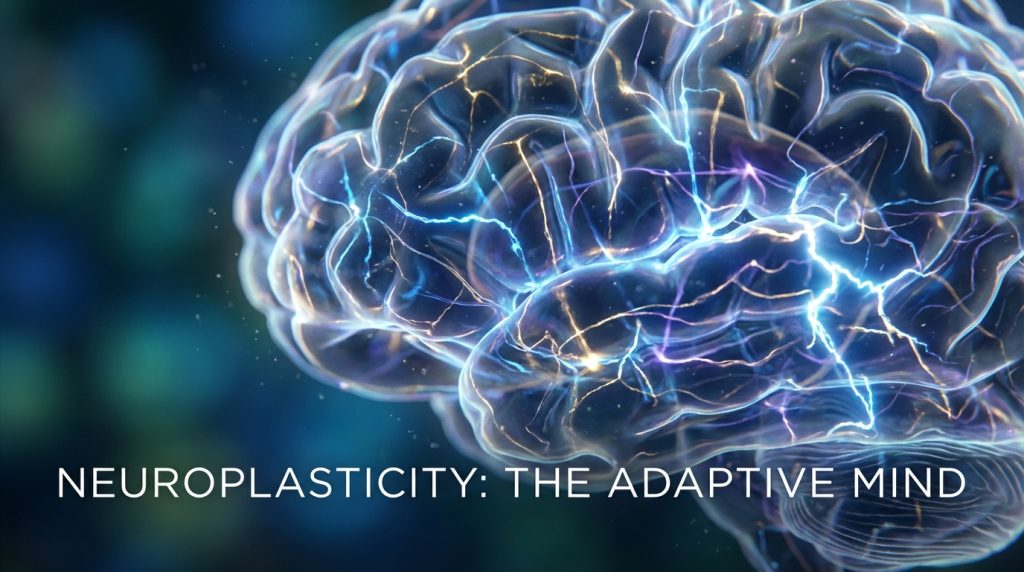
What is Neural Plasticity?
Neural plasticity is the brain’s ability to change. It adapts to new information. It also adapts to experiences. Think of it like a muscle. The more you use certain pathways, the stronger they get. Conversely, unused pathways weaken over time.
This process involves several mechanisms. Neurogenesis is one. It’s the creation of new neurons. Synaptic plasticity is another. This refers to the strengthening or weakening of synapses. Synapses are the connections between neurons. Long-term potentiation (LTP) and long-term depression (LTD) are key here.
These changes happen at a molecular level. They also happen at a structural level. Repeated experiences shape these changes. For example, learning a new language alters brain structure. Practicing a musical instrument does the same. Therefore, consistent effort is vital.
The Science Behind the Change
When you learn something new, your brain creates new neural pathways. These pathways are like roads. Initially, they might be small dirt tracks. However, with repetition, they become superhighways. This makes the new skill or knowledge easier to access.
This neuroplasticity is not just about learning. It’s also about habit formation. Habits are essentially automated neural pathways. They form through repetition. This is why breaking bad habits is hard. They are deeply ingrained pathways.
Conversely, building good habits is achievable. It requires conscious effort. It also requires consistency. The brain will adapt. It will create new, stronger pathways for desired behaviors. This is the core principle for habit change.
Focus: The Modern Challenge
In today’s digital age, focus is a challenge. We are bombarded with stimuli. Social media, emails, and notifications compete for our attention. This constant distraction can lead to fragmented attention. It can also lead to reduced productivity.
The result is often a feeling of being overwhelmed. We jump from task to task. We struggle to complete anything deeply. This state is often called “shallow work.” It prevents deep concentration. It hinders meaningful progress.
However, the brain can be trained. We can learn to resist distractions. We can cultivate sustained attention. This is where neural plasticity becomes our ally. We can actively build focus.
Why is Focus So Important?
Focus is the gateway to deep work. It allows for concentration. It enables problem-solving. It is crucial for learning. Without focus, complex tasks are impossible. Creativity also suffers. Deep thought requires an undisturbed mind.
Furthermore, focus impacts well-being. Constant distraction can be stressful. It can lead to anxiety. Improved focus can bring a sense of calm. It can also lead to greater satisfaction. Achieving goals feels more attainable.
For coaches, helping clients improve focus is transformative. It unlocks potential. It enhances performance. It improves overall quality of life. Therefore, understanding how to foster focus is paramount.
Leveraging Neural Plasticity for Focus Habits
The good news is that you can build focus. You can do this by intentionally engaging neural plasticity. It requires a strategic approach. It involves consistent practice. Here’s how to do it:
1. Mindfulness and Meditation
Mindfulness is paying attention. You do this on purpose. You do it without judgment. Meditation is a key practice. It trains your brain to focus. It helps you notice when your mind wanders. Then, you gently bring it back.
Studies show meditation increases gray matter. This happens in areas related to attention. It also reduces activity in the default mode network. This is the brain’s “mind-wandering” center. Therefore, regular meditation is powerful.
Even short sessions help. Start with 5-10 minutes daily. Gradually increase the duration. This consistent practice strengthens focus circuits. It builds a foundation for better attention. You can explore resources on digital detoxing to reduce distractions.
2. Single-Tasking Practice
Multitasking is a myth. It’s actually task-switching. This is inefficient. It also depletes mental energy. Instead, practice single-tasking. Focus on one activity at a time.
When you work on a task, commit to it. Eliminate distractions. Turn off notifications. Close unnecessary tabs. Give your full attention. This deliberate practice strengthens your focus muscle. It trains your brain to stay engaged.
Start with small tasks. Then, gradually move to larger projects. This builds confidence. It also builds capacity. Over time, you’ll find it easier to concentrate for longer periods. This is a direct application of neural plasticity.
3. Intentional Learning and Skill Development
Learning new things is a powerful way to stimulate plasticity. Choose a skill that requires focus. It could be learning an instrument. It could be coding. It could be a new language. The process of acquiring new knowledge changes your brain.
The effort involved in learning forces your brain to adapt. It builds new neural connections. These new connections can enhance your overall cognitive flexibility. This, in turn, supports better focus. It’s like building new mental highways.
The key is consistent effort. Don’t expect overnight results. Embrace the learning process. Celebrate small wins. This approach not only builds focus but also enhances cognitive function overall. You might find skills learned here are transferable to other areas of your life.
4. Physical Exercise and Sleep
Your brain needs a healthy body. Physical exercise is crucial for neuroplasticity. It increases blood flow to the brain. It also promotes the release of growth factors. These factors support neuron health and growth.
Aerobic exercise, in particular, has shown strong links to cognitive benefits. It improves attention and memory. It also enhances executive functions. Therefore, regular physical activity is non-negotiable. It’s a fundamental building block for a focused mind.
Sleep is equally important. During sleep, your brain consolidates memories. It also clears out waste products. Poor sleep impairs focus. It hinders cognitive function. Aim for 7-9 hours of quality sleep per night. Good sleep hygiene is vital. You can learn more about optimizing sleep through circadian rhythm optimization.
5. Managing Your Environment
Your surroundings significantly impact your focus. Create an environment that supports concentration. Minimize visual and auditory distractions. Organize your workspace.
Consider using tools to block distracting websites. Set specific times for checking emails and social media. This creates boundaries. It signals to your brain when it’s time to focus. It reduces the cognitive load of constantly resisting temptation.
This intentional design of your environment plays a role in habit formation. By removing cues for distraction, you make focus easier. It’s about making the desired behavior the path of least resistance. This aligns with principles of behavioral design.
Habit Formation Strategies for Coaches
As a coach, you can guide clients effectively. You can help them harness neural plasticity. Here are some strategies:
- Start Small: Encourage clients to begin with small, achievable focus goals. For example, 15 minutes of uninterrupted work.
- Consistency is Key: Emphasize daily practice. Small, consistent efforts yield greater results than sporadic intense ones.
- Track Progress: Help clients monitor their focus sessions. This provides motivation and insight.
- Celebrate Wins: Acknowledge and celebrate progress, no matter how small. Positive reinforcement is powerful.
- Be Patient: Neural changes take time. Reassure clients that progress is not always linear.
- Educate Your Clients: Explain the science of neural plasticity. This empowers them and increases buy-in.
Understanding the brain’s adaptability is empowering. It means change is always possible. It means clients can overcome focus challenges. They can achieve their goals. This knowledge is a cornerstone of effective coaching.
Frequently Asked Questions (FAQ)
Can neural plasticity truly change my brain?
Absolutely. Neural plasticity is a scientifically proven phenomenon. Your brain is constantly rewiring itself based on your experiences and actions. This means you can indeed change your brain’s structure and function.
How long does it take to build a new focus habit?
The timeframe varies. It depends on the individual and the habit’s complexity. Generally, it takes weeks to months of consistent practice. However, you will likely notice improvements much sooner.
Is multitasking really bad for focus?
Yes, multitasking is generally detrimental to deep focus. It involves rapid task-switching, which is less efficient and more draining than focusing on one task at a time. It can also lead to more errors.
Can neural plasticity help with ADHD?
Yes, strategies that leverage neural plasticity can be very beneficial for individuals with ADHD. Practices like mindfulness, focused attention training, and structured routines can help manage symptoms and improve executive functions.
What is the role of diet in neural plasticity?
Diet plays a significant role. Nutrients like omega-3 fatty acids, antioxidants, and vitamins are crucial for brain health and neurogenesis. A balanced, nutrient-rich diet supports the brain’s ability to change and adapt.
Conclusion
Neural plasticity is a powerful concept. It offers a roadmap to enhanced focus. By understanding how our brains change, we can intentionally cultivate better habits. This is invaluable for peak performance coaches. It provides the tools to help clients unlock their full potential.
Focus is not an innate talent. It is a skill. It can be learned and strengthened. Through practices like mindfulness, single-tasking, and a healthy lifestyle, we can reshape our brains. We can build the focus needed to thrive. Therefore, embrace the science of change. Guide your clients to a more focused and productive future.
