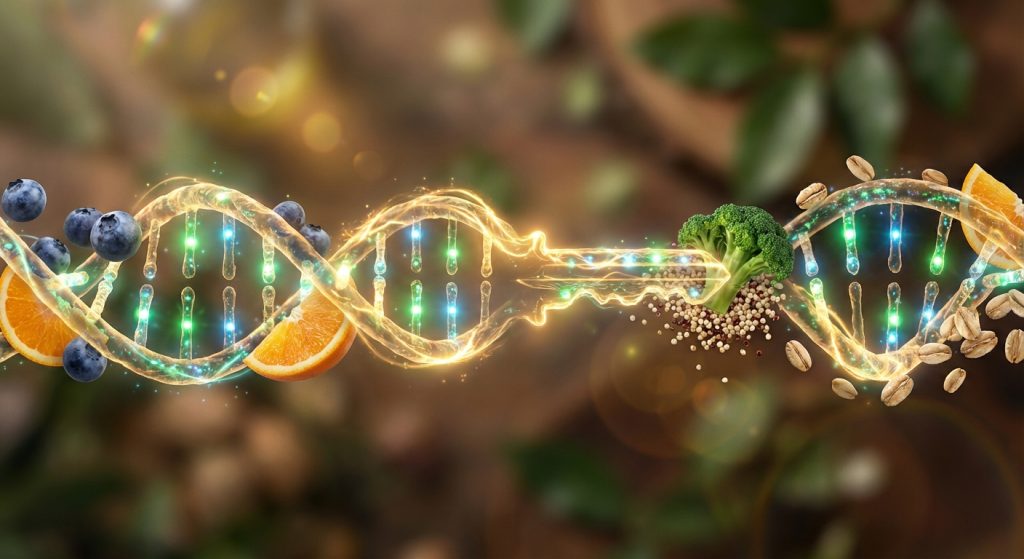
Ever wondered why some diets work wonders for one person but fail for another? The secret might be in your genes. Personalized DNA-driven nutrition is revolutionizing how we approach health. It’s not a one-size-fits-all solution. Instead, it tailors your diet to your unique genetic makeup. This approach promises better results and improved well-being.
Understanding your DNA can unlock powerful insights. These insights guide your food choices. Therefore, you can optimize your health like never before. This article explores how your DNA influences your nutritional needs. We will also discuss how to leverage this information for a healthier you.
The Science Behind DNA-Driven Nutrition
Your DNA holds the blueprint for your body. It dictates many of your traits. This includes how you process nutrients. For example, your genes influence how you metabolize fats and carbohydrates. They also affect your vitamin and mineral needs. Certain genetic variations can make you more susceptible to deficiencies. Others might mean you process certain foods differently.
For instance, some people have genes that help them break down caffeine quickly. Others metabolize it slowly. This explains why caffeine affects individuals differently. Similarly, your genetics can impact your response to saturated fats. It can also influence your predisposition to certain food sensitivities. Therefore, a personalized plan accounts for these genetic variations.
Understanding Macronutrient Metabolism
Macronutrients are proteins, fats, and carbohydrates. Your DNA plays a crucial role in how you process them. For example, genes like FTO are linked to obesity risk. They can also influence appetite regulation. Other genes affect how efficiently you convert carbohydrates into energy. Therefore, understanding these pathways is vital.
Some individuals may thrive on a higher-fat diet. Others might do better with more complex carbohydrates. Your genetic profile can help determine this. It provides a scientific basis for dietary recommendations. This moves beyond general dietary advice. It offers a truly individualized approach.
Micronutrient Needs and Genetics
Micronutrients are vitamins and minerals. They are essential for countless bodily functions. Your genes can affect how well you absorb and utilize these nutrients. For example, the MTHFR gene impacts folate metabolism. Variations in this gene can affect your body’s ability to use folic acid. This is crucial for cell growth and DNA repair. As a result, personalized advice might include specific forms or higher doses of certain vitamins.
Similarly, genes like VDR influence vitamin D absorption. Vitamin D is vital for bone health and immune function. Knowing your genetic predispositions can help prevent deficiencies. It also ensures you get the optimal levels of essential micronutrients. Thus, this genetic insight is invaluable for overall health.
How a DNA-Driven Nutrition Plan Works
Embarking on a DNA-driven nutrition plan typically involves several steps. Firstly, you provide a DNA sample. This is usually done through a simple saliva swab. The sample is then sent to a specialized laboratory. There, your DNA is analyzed for specific genetic markers. These markers are linked to various nutritional traits. The analysis looks at how your genes influence metabolism, nutrient absorption, and potential sensitivities.
Next, the lab generates a detailed report. This report outlines your genetic predispositions. It identifies areas where you might need specific dietary adjustments. Finally, this information is used to create a personalized nutrition plan. This plan is designed specifically for you. It takes into account your unique genetic profile.
The DNA Testing Process
DNA testing for nutrition is non-invasive. It is also quite straightforward. You receive a kit to collect a saliva sample. You then mail this sample back to the testing company. The process is designed for ease of use. The privacy of your genetic data is also a primary concern for reputable companies. Therefore, you can feel confident in the process.
The time it takes to receive results varies. It typically ranges from a few weeks to a couple of months. The detailed report you receive is the key. It serves as the foundation for your personalized dietary strategy.
Interpreting Your Genetic Report
Your genetic report is more than just data. It is a roadmap to better health. It will likely highlight your predispositions. These might include how you handle different types of fats. It could also reveal your body’s efficiency in processing sugars. Furthermore, the report might identify potential nutrient deficiencies. It may also point to increased risks for certain food intolerances.
For example, a report might indicate a genetic tendency towards lactose intolerance. Or it could highlight a need for more omega-3 fatty acids. Understanding these findings is crucial. Therefore, working with a qualified nutritionist or genetic counselor is often recommended. They can help you interpret the results accurately. They can also translate them into actionable dietary changes.
Benefits of a Personalized DNA Diet
The advantages of a DNA-driven nutrition plan are numerous. Firstly, it leads to more effective weight management. By understanding your body’s unique metabolic responses, you can make smarter food choices. This helps you reach your weight goals more efficiently. It also promotes sustainable, long-term results. Thus, yo-yo dieting becomes a thing of the past.
Moreover, this approach can significantly improve energy levels. When you eat in alignment with your genetics, your body functions optimally. You process nutrients better. This leads to sustained energy throughout the day. You may also notice improvements in mood and cognitive function. This is because your brain also relies on specific nutrients for peak performance. You can learn more about optimizing focus by understanding neural plasticity and focus habits.
Enhanced Weight Management
Traditional diets often fail because they don’t consider individual biology. A DNA-driven plan addresses this directly. For instance, if your genes suggest you process carbohydrates slowly, a high-carb diet might lead to weight gain. Conversely, if your genes favor carbohydrate metabolism, you might not fare as well on a very low-carb diet. Therefore, the plan optimizes your macronutrient ratios for your specific needs. This makes weight loss or maintenance more achievable.
Improved Energy and Vitality
Feeling constantly fatigued? Your diet might be the culprit. Your DNA can reveal why you might struggle with energy. Perhaps you have a genetic variation affecting iron absorption. Or maybe your body requires more B vitamins than average. A personalized plan ensures you are getting what you need. This optimizes your cellular energy production. As a result, you feel more vibrant and alive. This can significantly impact your overall quality of life.
Reduced Risk of Chronic Diseases
Many chronic diseases have a genetic component. Diet plays a significant role in managing these risks. For example, certain genetic profiles are linked to higher cholesterol levels. A DNA-driven plan can recommend specific foods and nutrients. These can help manage cholesterol naturally. It can also help reduce inflammation. Chronic inflammation is a known contributor to many diseases. Therefore, aligning your diet with your genes is a powerful preventative strategy. This proactive approach to health is invaluable. It aligns with the principles of biohacking longevity.
Potential Challenges and Considerations
While promising, DNA-driven nutrition is not without its considerations. Firstly, the science is still evolving. While many genetic links are well-established, research is ongoing. Therefore, it’s important to approach results with a balanced perspective. Not every dietary recommendation is set in stone. Your lifestyle and environment also play significant roles.
Furthermore, the cost of DNA testing and personalized plans can be a barrier. These services are an investment. It is important to research providers carefully. Look for accredited labs and qualified professionals. Also, remember that genetics is only one piece of the puzzle. Your gut microbiome, for instance, is also critical for health. You can explore strategies for nurturing your inner ecosystem by reading about the gut-brain axis.
The Evolving Science of Nutrigenomics
Nutrigenomics is the study of how nutrients interact with your genes. It is a rapidly advancing field. New discoveries are made regularly. Therefore, what is understood today might be expanded upon tomorrow. It is essential to stay informed. However, it’s also wise to rely on established scientific consensus. Reputable companies will base their recommendations on peer-reviewed research. They will also emphasize that their reports are not medical diagnoses.
Cost and Accessibility
The initial investment for DNA testing and personalized plans can be substantial. Prices vary widely depending on the company and the depth of analysis. However, many view this as a long-term investment in their health. The potential benefits in disease prevention and improved well-being can outweigh the costs. As the field matures, costs are likely to decrease. This will make it more accessible to a wider population.
Getting Started with Your DNA Nutrition Plan
Ready to take the first step? Begin by researching reputable DNA testing companies. Look for those specializing in nutrigenomics. Read reviews and compare their offerings. Ensure they have strong privacy policies. Once you have chosen a service, follow their instructions for sample collection. Remember to be patient as you await your results.
After receiving your report, consider consulting a professional. A registered dietitian or nutritionist with expertise in genetics can be invaluable. They can help you understand your report. They can also create a practical and sustainable meal plan. This plan should align with your genetic insights and your lifestyle. Ultimately, the goal is to empower you to make informed choices for your health.
Frequently Asked Questions
Is DNA testing for nutrition reliable?
Reputable DNA testing services provide reliable insights into genetic predispositions related to nutrition. However, it’s important to remember that genetics is only one factor influencing your health. Lifestyle, environment, and the gut microbiome also play significant roles. Therefore, results should be interpreted as guidance, not definitive medical advice.
Can I get my DNA tested if I have a specific health condition?
Yes, you can still get DNA tested. However, if you have a pre-existing health condition, it’s crucial to consult your doctor or a registered dietitian before making significant dietary changes based on your genetic report. They can help integrate the genetic information with your current health status and medical history.
How often do I need to re-test my DNA for nutrition advice?
Your DNA sequence does not change throughout your life. Therefore, you only need to undergo DNA testing once. The insights gained from your genetic report are generally timeless. However, scientific understanding of nutrigenomics continues to evolve. Staying updated with new research or consulting with professionals periodically is beneficial.
What if my DNA test results conflict with my current diet?
It’s common for DNA-driven recommendations to differ from established dietary trends or personal preferences. The key is to understand *why* the recommendations are made based on your genetics. Work with a professional to create a gradual transition plan. The aim is to find a sustainable approach that honors your genetic needs while respecting your preferences and lifestyle.
Conclusion
Personalized DNA-driven nutrition offers a powerful new paradigm. It moves us beyond generic dietary advice. By understanding your unique genetic blueprint, you can unlock optimal health. This approach empowers you to make informed choices. These choices support your metabolism, energy levels, and long-term well-being. While the science is still developing, the benefits are becoming increasingly clear. Embracing your DNA can lead you on a path to a healthier, more vibrant you. It is a journey of self-discovery and optimized living.