
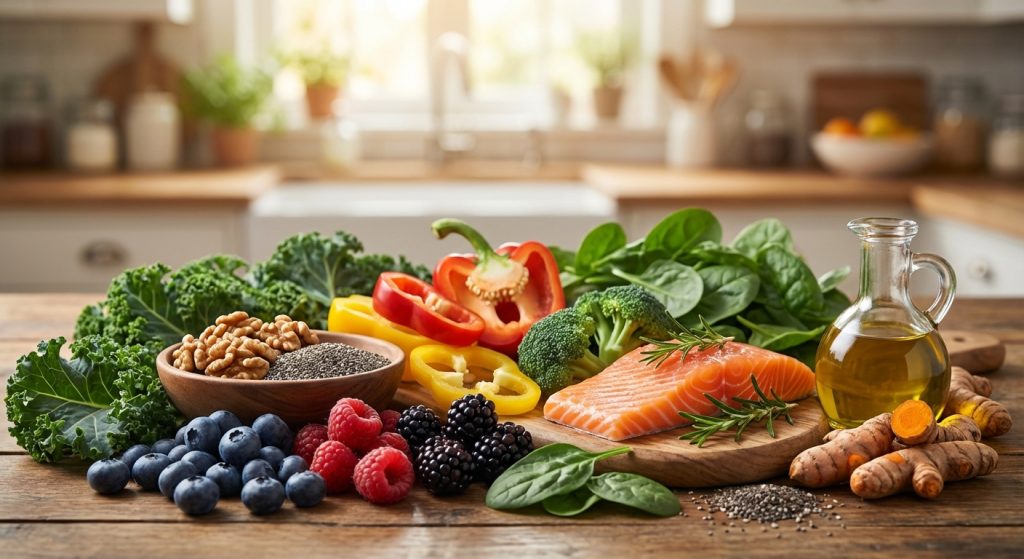
Chronic pain can be debilitating. It affects your daily life. Inflammation is often a major culprit. Fortunately, you can fight inflammation with your diet. This guide explores anti-inflammatory food groups. It helps you make informed choices. Therefore, you can manage your pain better.
Understanding Inflammation
Inflammation is your body’s natural response. It helps heal injuries and fight infections. However, chronic inflammation persists. It can damage tissues. This leads to various health problems. It’s also a key factor in chronic pain conditions. For instance, conditions like arthritis involve inflammation.
This persistent inflammation can worsen pain. It can also limit your mobility. Therefore, managing inflammation is crucial. Diet plays a significant role. It can either fuel or fight inflammation. Understanding this connection is the first step. It empowers you to take control of your health.
The Power of Anti-Inflammatory Foods
Certain foods can help reduce inflammation. They contain beneficial compounds. These compounds work in different ways. They can neutralize harmful molecules. They also support your body’s natural healing processes. Eating these foods regularly can make a difference. It can help manage your chronic pain.
Conversely, other foods can promote inflammation. These are often processed foods. They are high in unhealthy fats and sugars. Avoiding these pro-inflammatory foods is also important. Thus, a balanced approach is key. You need to incorporate good foods and limit bad ones.
Key Anti-Inflammatory Food Groups
Let’s explore the food groups that fight inflammation. These are rich in antioxidants and healthy fats. They also provide essential vitamins and minerals. Therefore, they are vital for overall health.
1. Fatty Fish
Fatty fish are powerhouses of omega-3 fatty acids. These are potent anti-inflammatory agents. They help reduce the production of inflammatory molecules. Therefore, they are highly beneficial.
- Salmon
- Mackerel
- Sardines
- Herring
- Tuna
Aim to eat fatty fish at least twice a week. This provides a consistent intake of omega-3s. For example, grilled salmon is a delicious option. It’s also easy to prepare.
2. Fruits
Fruits are packed with antioxidants. They also contain vitamins and fiber. Antioxidants combat oxidative stress. This stress contributes to inflammation. Berries are particularly potent.
- Berries (blueberries, strawberries, raspberries)
- Cherries
- Oranges
- Apples
- Grapes
Eat a variety of colorful fruits. Different colors indicate different antioxidants. For instance, blueberries are rich in anthocyanins. They offer significant anti-inflammatory benefits. Moreover, they are delicious in smoothies or as snacks.
3. Vegetables
Leafy green vegetables are nutritional giants. They are loaded with vitamins, minerals, and antioxidants. Other colorful vegetables also offer significant benefits.
- Spinach
- Kale
- Broccoli
- Bell peppers
- Tomatoes
- Carrots
Include a wide range of vegetables in your meals. For example, steamed broccoli provides sulforaphane. This compound has strong anti-inflammatory properties. Therefore, make vegetables a cornerstone of your diet.
4. Nuts and Seeds
Nuts and seeds are excellent sources of healthy fats. They also contain fiber and antioxidants. They can help reduce inflammation markers.
- Almonds
- Walnuts
- Flaxseeds
- Chia seeds
- Pecans
Walnuts, for example, are rich in omega-3s. Flaxseeds and chia seeds are also good sources. They are versatile. You can add them to salads, yogurt, or oatmeal. However, they are calorie-dense. So, consume them in moderation.
5. Healthy Oils
Extra virgin olive oil is a cornerstone of the Mediterranean diet. It contains oleocanthal. This compound has anti-inflammatory effects similar to ibuprofen. Other healthy oils also offer benefits.
- Extra virgin olive oil
- Avocado oil
- Coconut oil (in moderation)
Use extra virgin olive oil for dressings and low-heat cooking. It’s a healthy fat that supports overall well-being. Therefore, switch from processed vegetable oils to these healthier alternatives.
6. Whole Grains
Whole grains are rich in fiber. Fiber supports a healthy gut microbiome. A healthy gut is linked to reduced inflammation. They also provide essential nutrients.
- Oats
- Quinoa
- Brown rice
- Barley
- Whole wheat bread (choose wisely)
Opt for whole grains over refined grains. Refined grains have had their bran and germ removed. This removes much of their fiber and nutrients. Therefore, choose whole grain options whenever possible.
7. Legumes
Beans and lentils are packed with fiber and antioxidants. They have a low glycemic index. This means they don’t cause rapid blood sugar spikes. This can help reduce inflammation.
- Lentils
- Black beans
- Chickpeas
- Kidney beans
Legumes are incredibly versatile. They can be added to soups, salads, or stews. For example, a lentil soup is both nutritious and filling. Therefore, incorporating legumes into your diet is a smart choice.
8. Spices and Herbs
Many spices and herbs have powerful anti-inflammatory properties. They can add flavor to your meals without adding salt or fat.
- Turmeric (contains curcumin)
- Ginger
- Garlic
- Cinnamon
- Rosemary
Turmeric is particularly well-known for its anti-inflammatory benefits. Its active compound is curcumin. Adding these to your cooking can significantly boost their impact. Therefore, experiment with different spices.
Foods to Limit or Avoid
Just as some foods fight inflammation, others fuel it. Limiting these can significantly improve your health. Therefore, focus on reducing your intake of:
- Refined carbohydrates (white bread, pastries)
- Sugary drinks and added sugars
- Processed meats
- Fried foods
- Excessive saturated and trans fats
These foods can trigger inflammatory responses in the body. For instance, sugary sodas are a major contributor. They can lead to increased inflammatory markers. Therefore, making conscious choices about what you eat is vital.
Putting It All Together: A Sample Anti-Inflammatory Meal Plan
Creating an anti-inflammatory diet doesn’t have to be complicated. Here’s a simple example. It shows how to incorporate these food groups.
Breakfast
Oatmeal made with water or unsweetened plant milk. Top with berries, walnuts, and a sprinkle of cinnamon. This provides fiber, antioxidants, and healthy fats. Furthermore, it’s a great start to the day.
Lunch
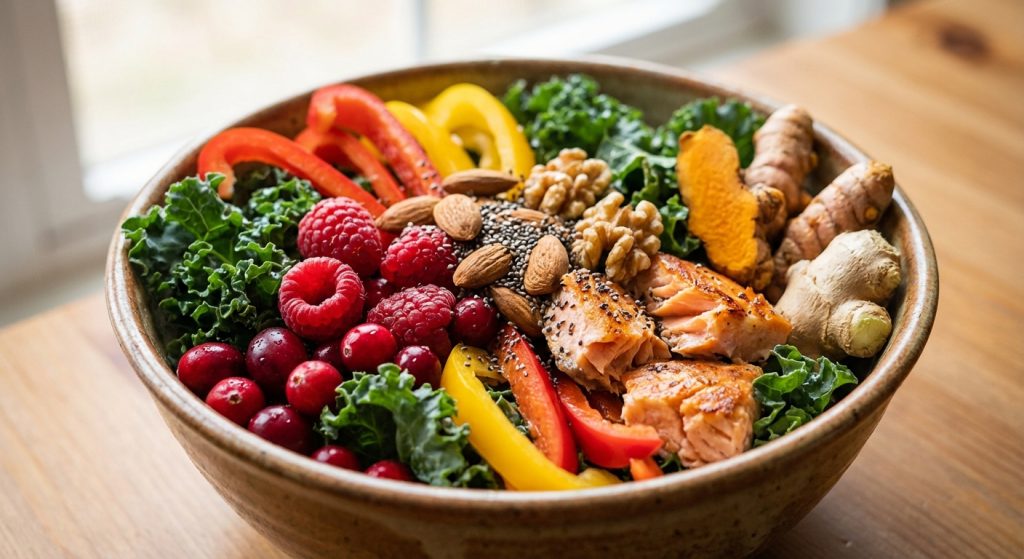
A large salad with mixed greens, grilled salmon, bell peppers, tomatoes, and chickpeas. Dress with extra virgin olive oil and lemon juice. This meal is rich in omega-3s, vitamins, and fiber. It offers sustained energy.
Dinner
Baked chicken or lean protein. Serve with quinoa and steamed broccoli. Season with garlic and turmeric. This meal provides lean protein, complex carbs, and anti-inflammatory spices. Therefore, it’s a balanced and nourishing option.
Snacks
A handful of almonds, a piece of fruit, or Greek yogurt with chia seeds. These are healthy options. They help keep you satisfied between meals. Moreover, they provide essential nutrients.
Hydration is Key
Don’t forget the importance of water. Proper hydration is essential for all bodily functions. It helps flush out toxins. It also supports nutrient transport. Aim for plenty of water throughout the day. You can also include herbal teas. Staying hydrated supports your overall health. It can also aid in pain management. Learn more about hydration science for brain power.
Conclusion
Managing chronic pain often involves a multi-faceted approach. Your diet is a powerful tool in this journey. By focusing on anti-inflammatory food groups, you can actively combat inflammation. This can lead to reduced pain and improved quality of life. Therefore, embrace these nourishing foods. Make sustainable dietary changes. Consult with a healthcare professional or a registered dietitian. They can help you create a personalized plan. This plan will best suit your individual needs and health goals.
Frequently Asked Questions
How quickly can I expect to see results from an anti-inflammatory diet?
The timeline varies for each individual. Some people notice improvements in a few weeks. Others may take a few months. Consistency is key. Therefore, stick with the diet for best results.
Are there any supplements that help with inflammation?
Yes, several supplements are known for their anti-inflammatory properties. These include omega-3 fatty acids, curcumin (from turmeric), and ginger. However, always consult your doctor before starting any new supplement. They can advise on dosage and interactions. You can learn more about immunity-boosting vitamins and supplements.
Can I still eat my favorite foods while following an anti-inflammatory diet?
It’s about balance, not deprivation. You can enjoy occasional treats. The focus is on making anti-inflammatory foods the majority of your diet. Moderation is key. Therefore, enjoy your favorites mindfully and less frequently.
Does stress affect inflammation, and how can diet help?
Yes, stress significantly increases inflammation. An anti-inflammatory diet can help by providing nutrients that support stress resilience. Foods rich in magnesium and omega-3s are particularly helpful. Furthermore, mindful eating practices can reduce stress. You can explore holistic stress management for more strategies.
What is the role of the gut microbiome in inflammation?
A healthy gut microbiome is crucial for regulating inflammation. Beneficial bacteria can produce anti-inflammatory compounds. Conversely, an imbalanced microbiome can promote inflammation. Therefore, eating fiber-rich foods and fermented foods supports a healthy gut. You can delve deeper into microbiome diversity and its impact.
