

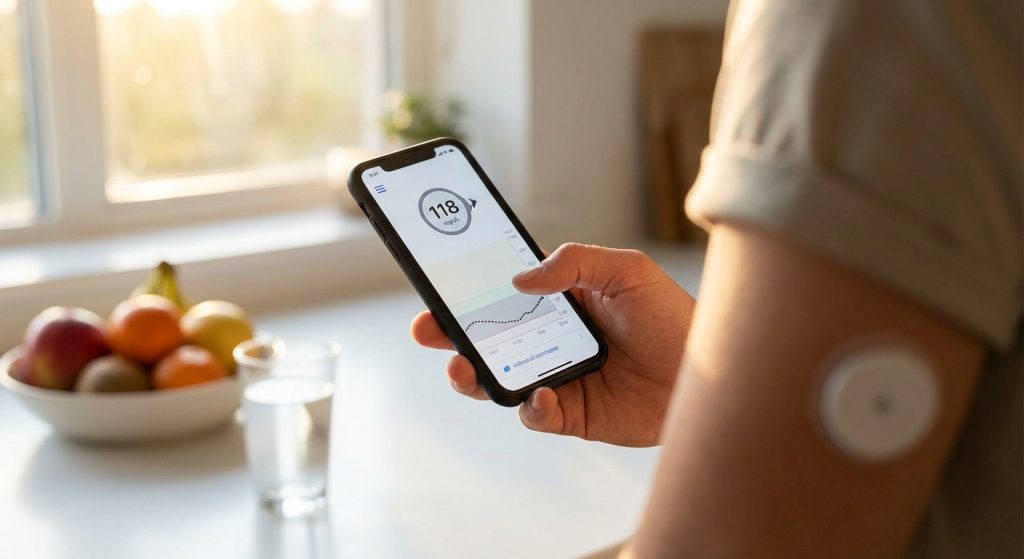
### Continuous Glucose Monitors (CGMs)CGMs are more advanced. They use a small sensor inserted under your skin. This sensor continuously measures glucose in your interstitial fluid. Data is sent wirelessly to a receiver or smartphone.* Pros: Provides real-time glucose readings. Shows trends and patterns, predicting highs and lows. Reduces the need for frequent finger pricks.* Cons: Can be more expensive. Requires wearing a device. May have a learning curve.### Blood Glucose Apps and LogbooksRegardless of your testing method, recording your data is crucial. Many apps and digital logbooks make this easy. You can input your readings manually or sync them from your meter or CGM.* Benefits: Centralizes your data. Allows for easy charting and sharing with your healthcare team. Some apps offer insights and personalized feedback.## Understanding Your Glucose DataLooking at your numbers is one thing. Understanding what they mean is another.### Target Glucose RangesYour doctor will set personalized target ranges for your blood sugar. However, general guidelines exist.* Before Meals: Typically 80-130 mg/dL.* Two Hours After the Start of a Meal: Less than 180 mg/dL.It is important to note that these are general guidelines. Your individual targets may vary. Always consult your healthcare provider.### Interpreting TrendsLook beyond individual numbers. See the bigger picture.* Morning Highs: Often called the “dawn phenomenon.” This can happen due to hormones released overnight.* Post-Meal Spikes: These indicate how your body processes carbohydrates. A large spike might mean too many carbs were consumed or not enough insulin was taken.* Hypoglycemia (Low Blood Sugar): Readings below 70 mg/dL often require immediate action. Symptoms can include shakiness, sweating, and confusion.* Hyperglycemia (High Blood Sugar): Readings consistently above your target range need attention. This can lead to increased thirst, frequent urination, and fatigue.## Factors Affecting Blood Sugar LevelsYour glucose numbers are influenced by more than just food.### Diet and CarbohydratesThe type and amount of carbohydrates you eat have a direct impact. Complex carbohydrates (like whole grains) are digested slowly. They cause a more gradual rise in blood sugar. Simple sugars (like in candy and soda) are absorbed quickly. They lead to rapid spikes.* Tip: Focus on fiber-rich foods. These help manage blood sugar. You can learn more about fighting inflammation with food groups.### Physical ActivityExercise generally lowers blood sugar. It makes your body more sensitive to insulin. However, intense exercise can sometimes raise it temporarily.* Recommendation: Aim for regular physical activity. Consult your doctor before starting a new exercise routine. Discover the benefits of active recovery and stretching routines for overall fitness.### Stress and EmotionsStress hormones like cortisol can increase blood sugar. Feeling anxious or upset can also affect your levels.* Strategy: Practice stress-management techniques. Explore options like mindful breathing or nature therapy. Learning to manage stress through nature therapy can be beneficial.### Medications and IllnessInsulin, oral diabetes medications, and other drugs impact glucose levels. Illness, even a common cold, can also raise blood sugar.* Action: Always take medications as prescribed. Monitor your glucose closely when you are sick.### Sleep QualityPoor sleep can disrupt hormone balance. This can lead to insulin resistance.* Goal: Aim for 7-9 hours of quality sleep each night. Understanding your body’s true sleep needs is vital.## Leveraging Your Data for Better HealthCollecting data is only the first step. You need to use it to improve your health.### Working with Your Healthcare TeamShare your glucose logs with your doctor or diabetes educator. They can help you interpret the data. They can also suggest adjustments to your management plan.* Key Point: Regular communication is essential. Don’t hesitate to ask questions.### Setting Realistic GoalsUse your data to set achievable goals. For instance, if you notice spikes after a particular meal, aim to reduce those carbohydrates.* Example: If your fasting glucose is consistently high, discuss strategies with your doctor. This might include dietary changes or medication adjustments.### Recognizing Your Body’s SignalsYour body often sends signals. Pay attention to how you feel. Dizziness, fatigue, or unusual thirst can be indicators. Correlate these feelings with your glucose readings.## The Future of Blood Sugar MonitoringTechnology is constantly evolving. This offers new possibilities for diabetes management.### Advanced CGM FeaturesNew CGMs offer predictive alerts. They can warn you of impending highs or lows. Some integrate with insulin pumps for automated insulin delivery.### AI and Machine LearningArtificial intelligence is being used to analyze glucose data. Algorithms can identify complex patterns. They can also provide more personalized insights and recommendations. This technology is transforming how we approach chronic disease management.### Telemedicine and Remote MonitoringTelehealth allows you to connect with your doctor remotely. This makes it easier to share your data. It also facilitates timely consultations and adjustments to your care plan. The rise of telemedicine is transforming modern healthcare.## Frequently Asked Questions
How often should I check my blood sugar?
The frequency of checking your blood sugar depends on your individual needs and your doctor’s recommendations. For Type Two Diabetes, checking at least once a day is common. You might also need to check before and after meals, before and after exercise, or before driving.
What are the risks of consistently high blood sugar?
Consistently high blood sugar, also known as hyperglycemia, can lead to serious long-term complications. These include nerve damage (neuropathy), kidney damage (nephropathy), eye damage (retinopathy), and cardiovascular disease. It can also increase your risk of foot problems and slow wound healing.
Can stress really affect my blood sugar levels?
Yes, stress can significantly affect blood sugar levels. When you’re stressed, your body releases hormones like cortisol and adrenaline. These hormones can cause your liver to release more glucose into your bloodstream, raising your blood sugar.
What is the “dawn phenomenon”?
The dawn phenomenon is a natural rise in blood sugar that occurs in the early morning hours, typically between 3 AM and 8 AM. It’s caused by the release of hormones like growth hormone, cortisol, and adrenaline, which prepare your body for the day ahead. This can lead to higher blood sugar levels upon waking.
Should I share my glucose data with my family?
Sharing your glucose data with trusted family members can be beneficial. They can provide support and help you recognize patterns or address issues. However, it’s important to maintain your privacy and only share with those you feel comfortable with.
## ConclusionMastering your blood sugar through diligent tracking is a cornerstone of managing Type Two Diabetes. By understanding your glucose data, you gain invaluable insights into your body’s responses. This knowledge empowers you to make informed choices about diet, exercise, stress management, and medication. Embrace the tools available, work closely with your healthcare team, and remember that every reading is a step towards better health and well-being.
