
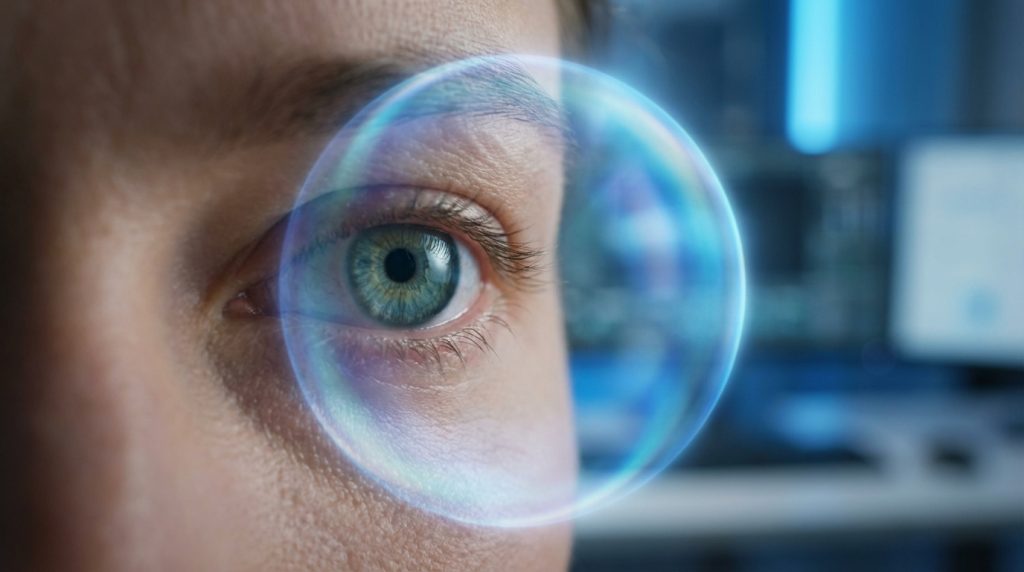
In our increasingly digital world, screens are everywhere. We use them for work, for entertainment, and to stay connected. However, this constant exposure to digital devices comes with a cost. Specifically, the blue light emitted from these screens can negatively impact our eye health. Therefore, understanding blue light and how to protect ourselves is crucial. This article will delve into the science behind blue light and offer practical strategies for safeguarding your vision.
Firstly, let’s understand what blue light is. Blue light is a part of the visible light spectrum. It has a short wavelength and high energy. Sunlight is the primary source of blue light. However, artificial sources like digital screens, LED lights, and fluorescent bulbs also emit it. While natural blue light helps regulate our sleep-wake cycle, excessive exposure to artificial blue light can cause problems.
The Impact of Blue Light on Your Eyes
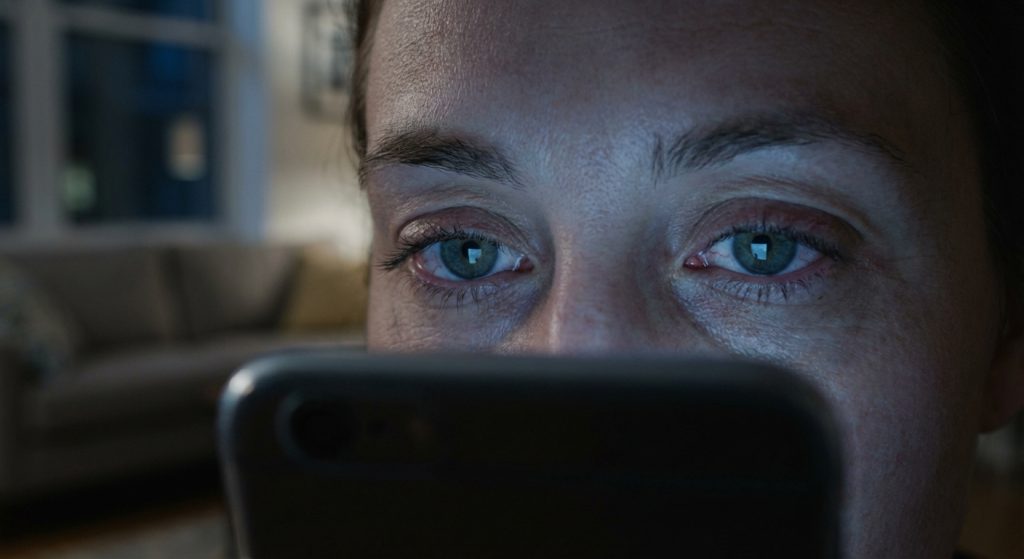
Prolonged exposure to blue light can lead to several adverse effects. These range from immediate discomfort to potential long-term damage. It is important to recognize these symptoms to take timely action.
Digital Eye Strain Symptoms
One of the most common issues is digital eye strain. This condition arises from extended screen use. Symptoms can be quite bothersome. They often include:
- Dry eyes
- Irritated eyes
- Blurred vision
- Headaches
- Neck and shoulder pain
These symptoms can significantly reduce productivity and overall well-being. Moreover, they are a clear signal that your eyes are struggling.
Potential Long-Term Risks
Beyond immediate discomfort, there are concerns about the long-term effects of blue light. Some research suggests a link between cumulative blue light exposure and an increased risk of age-related macular degeneration (AMD). AMD is a leading cause of vision loss in older adults. It affects the macula, the part of the retina responsible for sharp, central vision. Therefore, protecting your eyes now can contribute to better vision later in life.
Furthermore, blue light can disrupt your natural sleep patterns. It suppresses melatonin, a hormone that regulates sleep. This disruption can lead to insomnia and other sleep disorders. As a result, your overall health can suffer. Adequate sleep is vital for physical and mental restoration. You can learn more about optimizing sleep in our article on deep sleep induction.
Understanding Blue Light Filters and Glasses
Fortunately, there are effective ways to mitigate the effects of blue light. Blue light filtering technologies are becoming increasingly common. These aim to reduce the amount of blue light reaching your eyes.
How Blue Light Filters Work
Blue light filters are often built into electronic devices. They can also be applied as screen protectors or used in software settings. These filters work by adjusting the color temperature of the screen. They reduce the intensity of blue wavelengths. This makes the screen appear warmer and less harsh. Many operating systems now have built-in “night mode” or “blue light filter” options. For example, Windows has Night light, and iOS has Night Shift. These are simple yet effective tools.
The Role of Blue Light Blocking Glasses
Blue light blocking glasses are another popular solution. These glasses have lenses designed to filter out specific wavelengths of blue light. They come in various styles and strengths. Some glasses are clear, while others have a slight yellow or amber tint. The tint can enhance contrast and reduce glare. Many people find them helpful for reducing eye strain during prolonged screen use. Moreover, they can improve sleep quality by reducing evening blue light exposure.
When choosing glasses, consider the percentage of blue light they block. For daytime use, a lower percentage might be sufficient. However, for evening use, a higher percentage can be more beneficial. It’s always wise to consult with an eye care professional. They can recommend the best type of protection for your specific needs. This is especially true if you experience persistent eye strain or other vision issues. Exploring ways to manage overall well-being is also important; consider our guide on holistic stress management.
Practical Strategies for Reducing Blue Light Exposure
Beyond technological solutions, simple lifestyle adjustments can significantly reduce your exposure to harmful blue light. These habits are easy to adopt and highly effective.
Screen Time Management
Firstly, limiting your overall screen time is paramount. The less time you spend in front of screens, the less blue light you are exposed to. Try to incorporate breaks into your daily routine. The 20-20-20 rule is a great strategy. Every 20 minutes, look at something 20 feet away for at least 20 seconds. This simple practice can give your eyes much-needed rest. Consequently, it helps prevent digital eye strain.
In addition, consider setting designated “screen-free” times. This could be an hour before bed or during meals. This practice allows your eyes and brain to relax. It also helps in better sleep. For remote workers, managing screen time is especially critical. You can find more tips in our article on digital detox for remote workers.
Optimizing Your Workspace Ergonomics
Your workspace setup also plays a role. Position your screen at an arm’s length away from your eyes. The top of your screen should be at or slightly below eye level. This helps reduce strain. Adjusting screen brightness and contrast can also make a difference. Ensure your workspace is well-lit. Avoid glare on your screen. Proper lighting reduces the effort your eyes need to exert. Therefore, it minimizes strain. Good posture is also key for comfort during long work sessions. Explore ergonomic secrets for office workers to improve your setup.
Natural Light Exposure
Maximizing natural light exposure during the day is beneficial. Sunlight is a natural source of blue light, but it’s crucial for regulating our circadian rhythms. Spending time outdoors, especially in the morning, helps set your internal clock. This can improve sleep quality at night. Conversely, reducing exposure to artificial blue light in the evening is important. This includes dimming lights and avoiding screens before bed.
The Science Behind Blue Light and Sleep
Blue light’s impact on sleep is a significant concern. Our bodies have an internal clock, the circadian rhythm. This rhythm is primarily regulated by light. Blue light, with its short wavelength, is particularly effective at signaling to our brains that it’s daytime. Therefore, exposure to blue light at night can trick your brain into thinking it’s still light out. This suppresses melatonin production. Melatonin is the hormone that signals it’s time to sleep.
Consequently, this disruption can lead to difficulty falling asleep. It can also result in poorer sleep quality. As a result, you might experience daytime fatigue and reduced cognitive function. This is why many experts recommend reducing screen time in the hours leading up to bedtime. Using blue light filters or wearing blue light blocking glasses during the evening can help. By doing so, you can signal to your body that it’s time to wind down. This promotes better sleep hygiene. Learning about circadian rhythm optimization can further enhance your sleep and overall performance.
When to Seek Professional Advice
While many blue light-related issues can be managed with simple strategies, it’s important to know when to consult a professional. If you experience persistent symptoms like severe eye pain, sudden vision changes, or chronic headaches, see an eye doctor. They can rule out any underlying medical conditions. They can also provide personalized advice for managing your eye health. Regular eye check-ups are essential for maintaining good vision throughout your life.
Frequently Asked Questions
Are all blue light glasses the same?
No, blue light glasses vary in their effectiveness and the types of blue light they block. Some are designed for general use, while others are more specialized. It’s important to check the specifications and consider consulting an eye care professional.
Can blue light from my phone damage my eyes permanently?
While prolonged exposure to blue light can cause eye strain and disrupt sleep, current evidence does not definitively link it to permanent eye damage in typical usage scenarios. However, protecting your eyes is still recommended, especially with extensive screen time.
Do children need blue light protection?
Yes, children’s eyes are still developing and may be more sensitive to blue light. Protecting their eyes from excessive digital screen exposure is a good practice.
Are there natural ways to reduce blue light exposure?
Absolutely. Limiting screen time, taking regular breaks, increasing natural light exposure during the day, and dimming artificial lights in the evening are effective natural strategies.
Conclusion
In conclusion, blue light is an unavoidable part of modern life. However, its potential negative impacts on eye health and sleep can be managed effectively. By understanding the risks and implementing protective measures, you can safeguard your vision and improve your overall well-being. Simple strategies like screen time management, ergonomic adjustments, and using blue light filters can make a significant difference. Therefore, prioritize your eye health today for a clearer tomorrow.
