Unlocking Longevity: The Science of Gene Activation
Published on January 24, 2026 by Admin
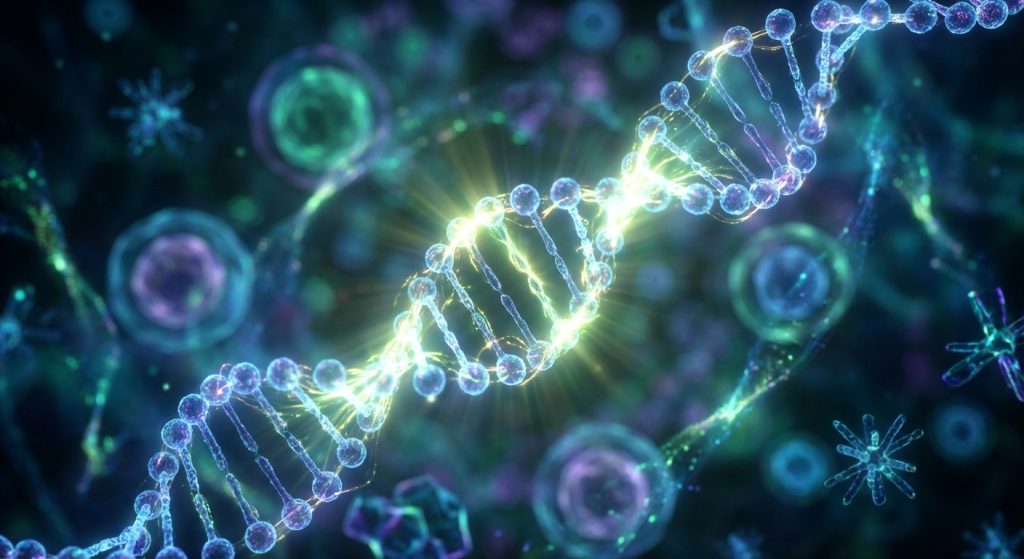
Aging is a complex process. Many factors contribute to it. Scientists are now exploring how to influence this process. This includes looking at our genes. Longevity gene activation research is a key area. It aims to understand how we can promote healthier, longer lives. This field is rapidly evolving. It offers exciting possibilities for the future.
Understanding our genes is crucial. Genes play a vital role in our health. They also influence how we age. Some genes are linked to longevity. Others are associated with age-related diseases. By activating certain genes, we might slow aging. We might also prevent diseases. This is the core idea behind longevity gene activation.
The Genetic Basis of Longevity
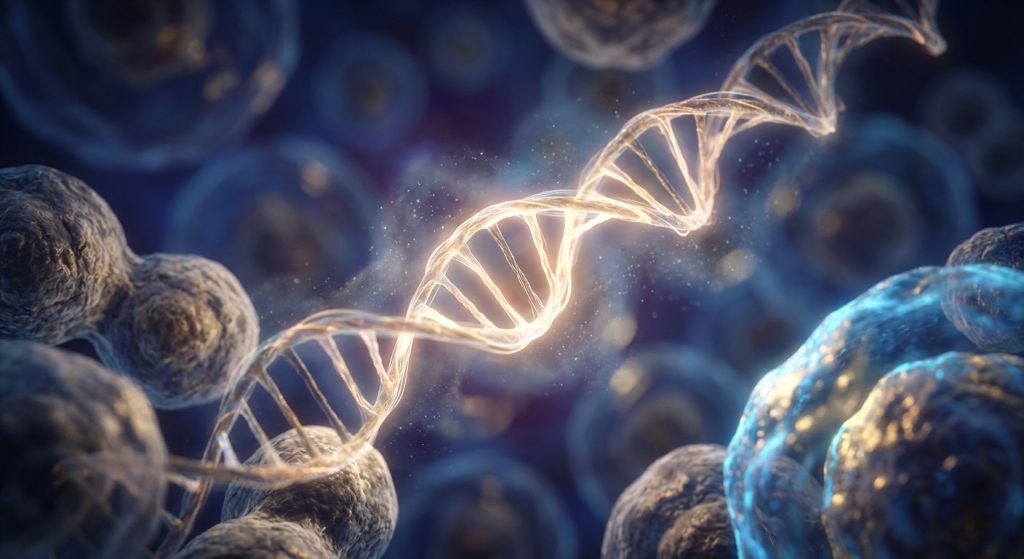
Our DNA holds the blueprint for life. It contains instructions for our bodies. These instructions are encoded in genes. Some genes are known to affect lifespan. For instance, genes involved in cellular repair are important. Genes that regulate metabolism also play a role. Furthermore, genes related to stress response are significant.
Research has identified specific genes. These are often called “longevity genes.” Examples include SIRT1 and FOXO3. These genes are active in promoting cellular health. They help protect cells from damage. They also play a part in stress resistance. Therefore, activating these genes could be beneficial. It might help us live longer and healthier lives.
Understanding Gene Activation
Gene activation, or gene expression, is a complex process. It determines which genes are turned “on” or “off.” This process is influenced by many factors. Lifestyle choices are very important. Diet, exercise, and stress levels can all affect gene expression. Even environmental factors play a role. Therefore, we have some control over our genetic destiny.
Turning genes “on” means they are being read. This leads to the production of proteins. Proteins perform many functions in the body. Activating longevity genes means encouraging their protein production. This can lead to improved cellular function. It can also enhance our body’s resilience. Consequently, this can contribute to a longer lifespan.
Key Pathways and Mechanisms
Several biological pathways are central to longevity gene activation. One major pathway involves sirtuins. Sirtuins are a family of proteins. They are involved in many cellular processes. These include DNA repair and metabolism. They also influence inflammation and stress resistance. Activating sirtuin genes, like SIRT1, is a key focus.
Another important pathway involves the FOXO family of transcription factors. These proteins are crucial for cellular health. They help protect cells from oxidative stress. They also promote DNA repair. Moreover, they are involved in metabolism. Activating FOXO genes can enhance cellular resilience. This is beneficial for longevity.
The Role of mTOR Pathway
The mTOR (mechanistic target of rapamycin) pathway is also critical. This pathway regulates cell growth and metabolism. It is sensitive to nutrient availability. When nutrients are abundant, mTOR is active. This promotes growth but can accelerate aging. When nutrients are scarce, mTOR activity decreases. This can activate cellular repair mechanisms. It can also promote longevity.
Therefore, modulating the mTOR pathway is a target for research. Interventions like calorie restriction and certain diets aim to inhibit mTOR. This can, in turn, activate beneficial genes. It helps promote cellular health and longevity. This pathway is a complex one. Understanding its nuances is key.
Autophagy and Cellular Cleanup
Autophagy is another vital process. It is essentially cellular “housekeeping.” This process removes damaged or dysfunctional cell components. It recycles them for reuse. Autophagy is crucial for maintaining cellular health. It also plays a role in longevity. When autophagy is impaired, cellular waste builds up. This can lead to disease and aging.
Activating genes that promote autophagy is beneficial. This helps clear out cellular debris. It keeps cells functioning optimally. Therefore, research is exploring ways to boost autophagy. This could involve specific compounds or lifestyle changes. It is a promising avenue for promoting healthspan.
Lifestyle Factors Influencing Gene Expression
Our daily choices have a profound impact. They can directly influence gene expression. This means we can actively participate in our own longevity. Lifestyle factors are powerful tools. They can either promote or hinder gene activation for health.
Diet and Nutrition
What we eat matters greatly. A balanced diet can activate beneficial genes. For example, certain compounds in fruits and vegetables can influence gene expression. These are often called phytonutrients. They can have antioxidant and anti-inflammatory effects. Also, restricting calories or practicing intermittent fasting can activate longevity pathways. This is due to its effect on the mTOR pathway.
Conversely, a poor diet can have negative effects. High-sugar diets and processed foods can promote inflammation. They can also lead to gene expression patterns associated with disease. Therefore, a nutrient-dense, whole-foods diet is essential. It supports optimal gene function.
Exercise and Physical Activity
Regular physical activity is incredibly beneficial. Exercise can improve mitochondrial health. It also enhances insulin sensitivity. Moreover, it can influence gene expression related to muscle growth and repair. For instance, studies show exercise can activate genes that improve cardiovascular health. It also helps combat cellular aging. Therefore, staying active is key for a long, healthy life.
Different types of exercise may have varied effects. Resistance training can build muscle. Aerobic exercise improves cardiovascular function. Both contribute to overall health. Engaging in regular physical activity supports numerous longevity pathways. You can learn more about functional fitness for a longer, healthier life here.
Sleep and Stress Management
Quality sleep is non-negotiable. During sleep, our bodies perform vital repair functions. These include cellular regeneration and memory consolidation. Poor sleep can disrupt gene expression. It can increase inflammation. It can also negatively impact metabolic health. Prioritizing consistent, restorative sleep is therefore crucial. This supports optimal gene function and overall well-being. We can improve our sleep through various techniques, like understanding sleep debt and optimizing our environment.
Chronic stress is also detrimental. It can lead to elevated cortisol levels. This can negatively impact gene expression. It can promote inflammation. It can also impair immune function. Therefore, effective stress management techniques are vital. These include mindfulness, meditation, and spending time in nature. Holistic stress management is essential for longevity.
Emerging Research and Future Directions
The field of longevity gene activation is dynamic. Researchers are constantly making new discoveries. They are identifying novel genes and pathways. They are also developing new interventions.
Pharmacological Interventions
Scientists are investigating drugs. These drugs aim to activate specific longevity genes. For example, rapamycin is a drug that inhibits mTOR. It has shown promise in extending lifespan in animal studies. Other compounds are being explored. These include senolytics. Senolytics target and remove senescent cells. These cells contribute to aging and disease.
However, these are still in early stages. Much research is needed. Safety and efficacy in humans are paramount. Therefore, caution is advised with any such interventions. Personalized medicine will likely play a role. It will tailor treatments based on individual genetic profiles.
Nutraceuticals and Supplements
Certain supplements are also being studied. Resveratrol is one such compound. It is found in grapes and red wine. It is thought to activate sirtuin genes. NAD+ precursors, like NMN and NR, are also popular. They are believed to support cellular energy production. They may also influence gene expression related to aging. However, robust scientific evidence is still developing. More research is required for many of these.
It is important to approach supplements with a critical eye. Always consult a healthcare professional. They can advise on potential benefits and risks. A healthy diet remains the foundation. Supplements should complement, not replace, good nutrition.
Gene Therapy and Editing
More advanced techniques are also on the horizon. Gene therapy aims to introduce beneficial genes. Gene editing technologies, like CRISPR, offer precise modifications. These could potentially correct genetic predispositions to disease. They might also activate genes that promote longevity. However, these technologies raise significant ethical questions. Their application in humans is still highly regulated and experimental. The potential for unintended consequences is also a concern.
Frequently Asked Questions
What are the main longevity genes?
Some key longevity genes identified include SIRT1 and FOXO3. These genes are involved in cellular repair, stress resistance, and metabolism.
Can I activate my longevity genes naturally?
Yes, lifestyle factors like a healthy diet, regular exercise, adequate sleep, and stress management can influence gene expression.
Are there any supplements that activate longevity genes?
Some supplements like resveratrol and NAD+ precursors are being studied for their potential to influence longevity pathways. However, more research is needed, and consultation with a healthcare professional is advised.
Is gene therapy safe for longevity?
Gene therapy for longevity is still largely experimental. While promising, significant research is required to ensure safety and efficacy in humans. Ethical considerations are also important.
How does diet affect longevity genes?
Nutrient-dense diets rich in fruits and vegetables can activate beneficial genes. Caloric restriction and intermittent fasting can also positively influence longevity pathways by affecting genes like mTOR.
Conclusion
Longevity gene activation research is a frontier. It offers a glimpse into a future where we can actively influence our aging process. By understanding the intricate interplay of our genes and lifestyle, we can make informed choices. These choices can promote healthier, longer lives. While pharmacological and genetic interventions are exciting, the power of lifestyle remains paramount. A balanced diet, regular exercise, sufficient sleep, and effective stress management are foundational. They empower us to optimize our genetic potential. As research progresses, we can anticipate even more targeted strategies. These will further enhance our ability to live well, for longer.